Starting locs is an exciting journey, but it comes with a lot of choices, one of the most important being how you want your locs to form. For beginners, this decision often comes down to two main approaches: freeform locs or starter locs. Understanding the differences between these methods can help you choose a path that fits your hair type, lifestyle, and personal style goals.
Freeform locs allow your hair to lock naturally with minimal manipulation. They develop organically over time, resulting in a truly unique pattern that reflects your hair’s natural growth and texture. On the other hand, starter locs which include methods like twists, comb coils, and interlocking give your hair a structured beginning. These methods create controlled sections that help your locs lock in a predictable way, providing a neater and often more uniform appearance during the early stages of your loc journey.
If you’re new to locs and want a step-by-step breakdown of how to start your loc journey, including preparation, starter methods, and maintenance tips, be sure to check out The Complete Beginner’s Guide to Starting Locs. This guide provides detailed insights into every aspect of beginning locs, making it an essential resource for anyone considering this transformative hairstyle.
In this article, we’ll take a closer look at freeform locs versus starter locs, exploring the pros and cons of each method, and helping you decide which approach aligns best with your lifestyle, hair goals, and personal preferences. By the end of this guide, you’ll have a clear understanding of the differences, benefits, and challenges of both methods, empowering you to make a confident choice and start your loc journey on the right foot.
What Are Freeform Locs?
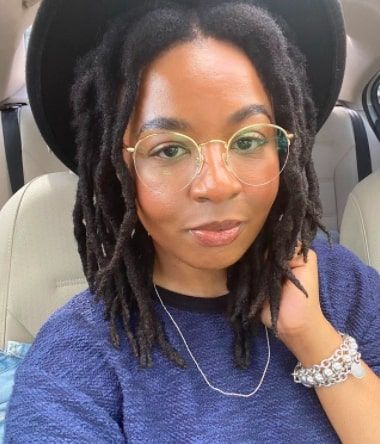
Freeform locs are a natural, low-manipulation approach to starting locs. With this method, your hair is allowed to lock and mat on its own over time, without strict parting, twisting, or braiding. Instead of creating neat, uniform sections, freeform locs develop organically, producing a unique and individualized pattern.
How Freeform Locs Work
-
Hair is washed and gently separated occasionally to avoid forming one large mat.
-
Over time, natural curl patterns, growth direction, and hair texture influence how locs form.
-
Freeform locs often vary in size, thickness, and shape, giving a personalized and authentic look that is impossible to replicate exactly.
Benefits of Freeform Locs
-
Minimal Manipulation – Because you’re not twisting or retwisting frequently, your hair experiences less tension and breakage.
-
Unique Look – Each loc develops according to your hair’s natural growth pattern, giving a one-of-a-kind style.
-
Low Maintenance – Freeform locs require little daily styling or structured care routines.
-
Healthier Scalp – With less manipulation, the scalp can breathe and maintain natural oils.
-
Freedom and Expression – Freeform locs are ideal for those who want to embrace their natural hair without conforming to a specific look.
Considerations for Freeform Locs
-
Unpredictable Appearance – Locs vary in size and shape, which may not suit those seeking uniformity.
-
Longer Locking Process – Depending on hair texture, it may take months to see well-formed locs.
-
Limited Early Styling Options – Because sections are not controlled, some hairstyles may be difficult until locs mature.
-
Potential Merging or Tangling – Occasional matting of sections can create thicker locs or uneven patterns.
Freeform locs are perfect for people who value natural aesthetics, low-maintenance hair routines, and a relaxed approach to the loc journey.
Bookmark this: Twist, Comb Coil, Interlock: Which Loc Method Should You Choose?
What Are Starter Locs?
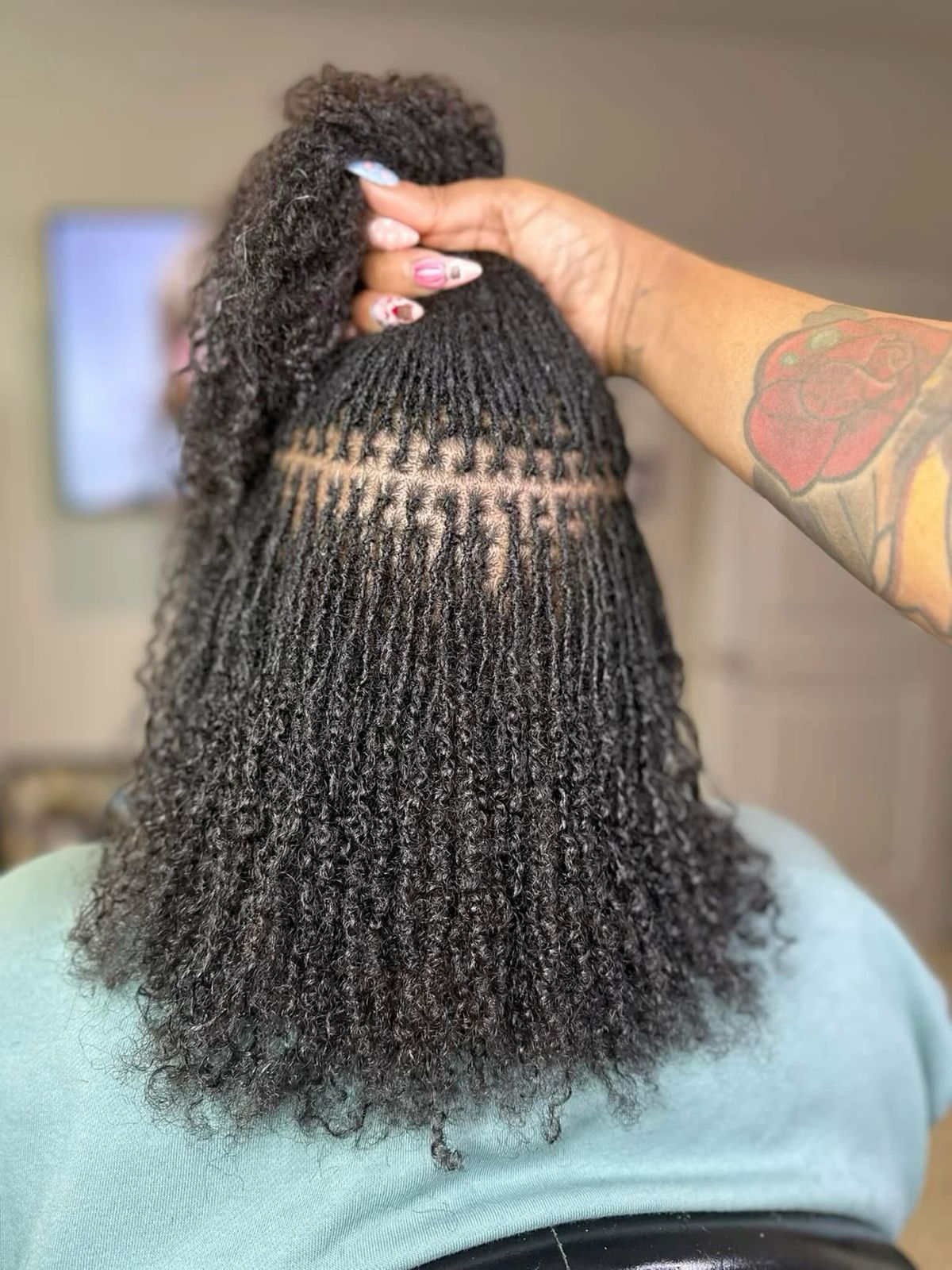
Starter locs are created through intentional sectioning and styling of hair to guide the locking process. This method gives your hair a structured start and helps locs lock faster and more predictably. Common starter loc methods include:
-
Two-strand twists – Twisting two sections of hair together to form rope-like locs.
-
Comb coils – Using a comb to create spiral coils that gradually lock.
-
Interlocking – Pulling the hair through the base to form a tight knot at the root.
-
Instant locs (crochet method) – Using a crochet tool to create locs immediately.
Benefits of Starter Locs
-
Controlled Sections – You can determine exact loc size, placement, and uniformity, which gives a neat appearance from the start.
-
Predictable Locking – Hair locks faster and more consistently than freeform methods.
-
Early Styling Options – Starter locs can be styled in buns, twists, updos, or braided loc styles even in the early stages.
-
Reduced Risk of Merging – Structured sections prevent locs from merging into uneven mats.
-
Suitable for All Hair Types – With the right method, starter locs can work on coily, curly, wavy, or even straight textures.
Considerations for Starter Locs
-
Maintenance Required – Twists, coils, or interlocks may require retwisting or tightening during the first few weeks.
-
Potential Tension – Improper technique, especially with interlocking, can place stress on roots.
-
Initial Investment – Some methods may require a loctician or special tools.
-
Visible Patterns – Twists or coils may show a pattern until locs fully mature.
Starter locs are ideal for those who want a structured, neat, and manageable starting point, particularly if they prefer uniform locs or are looking for early styling versatility.
Pros and Cons of Freeform Locs

Pros of freeform locs
Freeform locs offer a natural and low-maintenance approach that appeals to those who want their hair to lock organically.
One of the biggest benefits is that each loc develops according to your hair’s natural curl pattern and growth direction, giving a truly unique and personalized look.
This method reduces tension on the scalp because it requires minimal manipulation, lowering the risk of breakage or thinning at the roots.
Freeform locs also allow your scalp to maintain its natural oils, promoting overall hair and scalp health.
Many people appreciate the freedom and flexibility that freeform locs provide, as they do not require frequent retwisting or professional installation.
Over time, freeform locs reflect individuality and self-expression, with each loc forming its own character and personality.
Cons of freeform locs
Despite the advantages, freeform locs come with certain drawbacks that beginners should be aware of.
Since the sections are not controlled, loc size, shape, and thickness can be unpredictable, and some locs may merge or grow unevenly.
In the early stages, freeform locs may appear frizzy, messy, or inconsistent, which can be discouraging for those who prefer a more polished look.
The locking process also tends to take longer compared to structured starter locs, particularly for looser hair textures, requiring patience and commitment.
Additionally, tangling or matting can occur if hair sections are not occasionally separated, and styling options may be limited until the locs mature and define themselves fully.
Despite these challenges, many choose freeform locs for the authenticity, individuality, and low-maintenance care they offer.
Make sure to check this out: How to Choose the Right Starter Method for Your Hair Type
Pros and Cons of Starter Locs
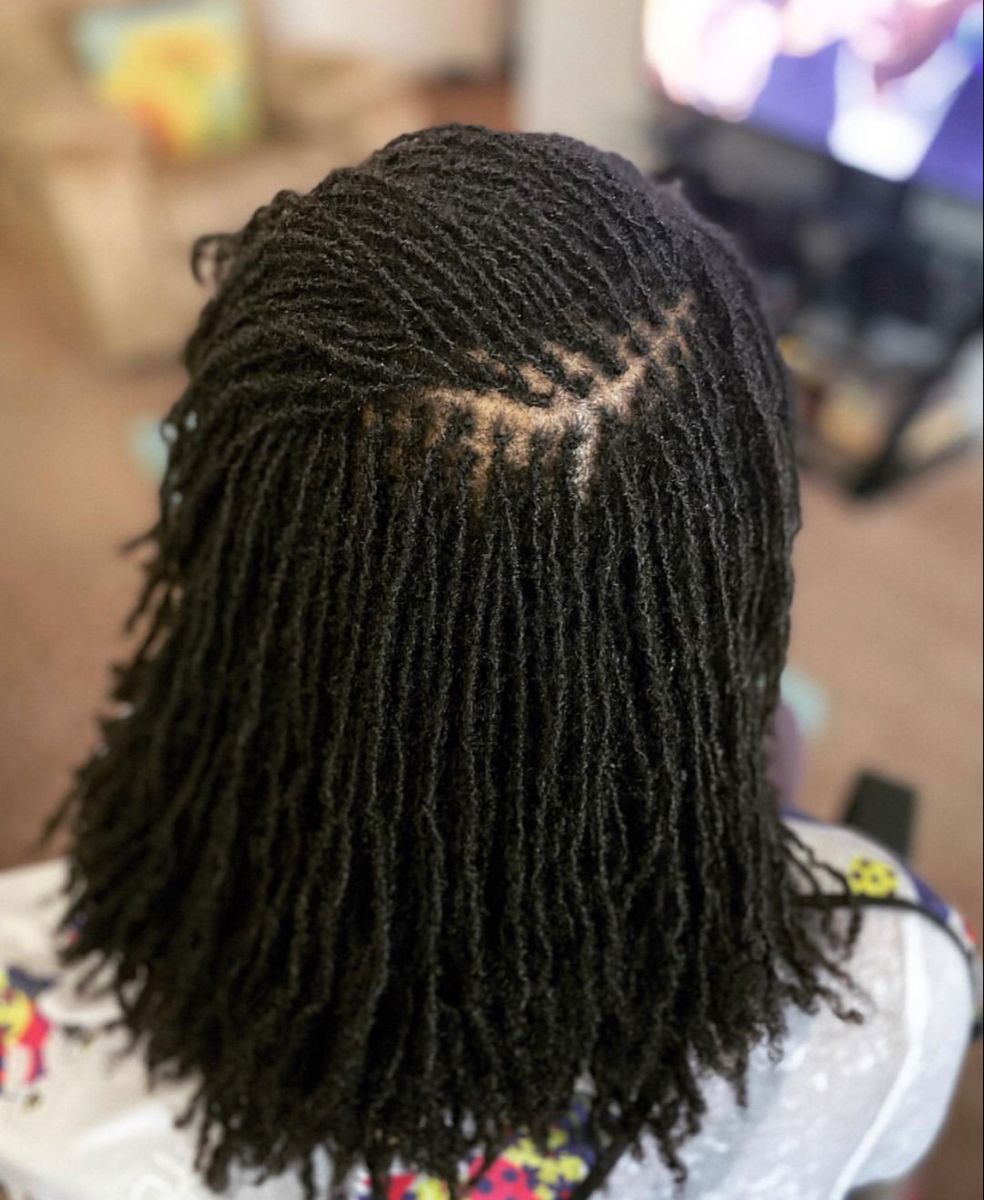
Pros of starter locs
Starter locs provide structure, making it easier for hair to lock consistently and predictably over time.
Each section is defined, which gives the locs a uniform and polished appearance.
Controlled parting also allows for styling flexibility, even during the early stages, including buns, updos, and twists.
Starter locs generally lock faster than freeform locs, especially for looser or less coily hair textures.
Minimal merging or tangling occurs because hair is sectioned carefully, reducing the risk of uneven mats.
Many people find that starter locs are easier to maintain during the first few months, saving time and frustration.
Additionally, they can work for almost all hair textures with the right method, including twists, coils, or interlocking techniques.
Starter locs are ideal for those who want a neat and predictable foundation for their loc journey.
Overall, they provide control, consistency, and early styling versatility that many beginners appreciate.
Cons of starter locs
Despite the advantages, starter locs also present some challenges for beginners.
Frequent retwisting or interlocking may be required during the first few weeks to maintain neatness.
Improper technique, especially with interlocking, can create tension on the roots, leading to thinning or breakage.
Some starter methods may require professional assistance, adding cost and effort before you even begin.
In the early stages, twist or coil patterns may be visible, making locs look structured rather than natural.
Hair can sometimes feel stiff or heavy, particularly after retwisting or interlocking sessions.
Loc size is predetermined, which limits the organic individuality that freeform locs naturally provide.
Additionally, some people find starter locs require more patience and attention compared to the low-maintenance approach of freeform locs.
Even with these considerations, starter locs remain a popular choice for those seeking predictability, control, and an organized start to their loc journey.
Bookmark this: How to Decide If Locs Are Right for You
Which Method Should You Choose?

Choosing between freeform locs and starter locs depends on your hair type, lifestyle, and personal goals.
Freeform locs suit people who prefer a natural, low-maintenance journey with minimal manipulation and organic growth patterns.
They allow hair to form unique sizes and shapes, giving a completely personalized look that reflects individuality.
This method works best for those willing to embrace unpredictability and enjoy watching their locs develop over time.
Freeform locs are also ideal for individuals who want minimal styling requirements and a relaxed approach to maintenance.
Starter locs, on the other hand, are perfect for people who value structure, predictability, and early styling options.
They create neat, uniform sections that lock faster and remain consistent throughout the initial months.
Starter locs are particularly helpful for looser hair textures or hair prone to tangling and merging.
They also offer more flexibility in styling during early stages, including twists, buns, and updos.
This method suits those who are patient and willing to follow a maintenance routine for the first few months.
When deciding, consider your hair texture carefully. Coily or tightly curled hair may lock well using freeform methods, while looser curls may benefit from starter locs for added control.
Lifestyle matters too; if you prefer low-maintenance hair, freeform locs might be ideal, but if you enjoy structured hair and styling versatility, starter locs may suit you better.
Ultimately, the best choice is the method that aligns with your goals, patience level, and personal style.
Both approaches can result in beautiful, healthy locs, but your journey will look very different depending on your chosen path.
Final Thoughts
Deciding between freeform locs and starter locs is one of the most important choices you will make on your loc journey. Both approaches have unique advantages and challenges, and understanding them helps you choose a path that fits your hair, lifestyle, and personal goals. Freeform locs are ideal for those who want a relaxed, low-maintenance approach and enjoy seeing their hair lock naturally over time. Starter locs suit individuals who prefer structure, uniformity, and early styling options while maintaining control over loc size and placement.
No matter which method you choose, proper preparation, consistent care, and patience are essential for healthy, strong locs. Taking the time to cleanse, moisturize, and monitor your hair during the first stages will pay off as your locs mature. If you are still unsure how to begin or want a step-by-step guide on starting your loc journey, you can check out The Complete Beginner’s Guide to Starting Locs. That guide covers everything from preparation and starter methods to maintenance and expectations during the early stages, making it a perfect companion for anyone considering locs.
Remember, there is no right or wrong choice between freeform and starter locs. Your decision should reflect your hair type, patience level, and personal style goals. Embrace the process, care for your hair consistently, and celebrate each stage of your loc journey. With the right approach, both freeform and starter locs can develop into beautiful, healthy, and strong locs that reflect your individuality and personal expression.
Leave a Reply