One of the most common challenges during the loc journey especially in the early and budding stages is dealing with an itchy scalp. It can be uncomfortable, distracting, and sometimes even frustrating enough to make you question your decision to start locs.
The truth is, itching is completely normal during loc maturation. As your hair begins to lock and your scalp adjusts to a new routine, you may experience dryness, sensitivity, or buildup that leads to irritation.
In many cases, dryness is a major cause of itching. Learning how to properly hydrate your hair can make a big difference, so it is important to understand How to Keep Your Locs Moisturized Naturally and build a routine that keeps your scalp balanced.
However, constant itching does not have to be something you simply endure. With the right care and habits, you can manage it effectively and keep your scalp healthy throughout the process.
In this post, you will learn why your scalp becomes itchy during loc maturation and simple tips to relieve and prevent irritation without damaging your locs.
Why Your Scalp Itches During Loc Maturation

Itchy scalp during loc maturation is very common, especially in the early and budding stages. Understanding the cause will help you manage it properly instead of making it worse.
One of the main causes is dryness. As your hair begins to lock, your scalp may not be getting enough moisture, which can lead to irritation and itching. This is why maintaining proper hydration is so important during this stage.
Another major cause is product buildup. When products are not properly washed out, they can accumulate on your scalp and inside your locs. Over time, this can clog your pores and cause itching or discomfort. To avoid this, it is important to understand Avoiding Product Buildup in Your Locs and keep your routine clean.
Infrequent or improper washing can also lead to itching. Sweat, dirt, and oils can build up on your scalp, especially if you go too long without washing. Finding the right washing routine is key, so make sure you read How Often Should You Wash Your Locs? to maintain a healthy balance.
Your scalp may also be adjusting to a new routine. If you recently started your locs, your scalp is still adapting to less manipulation and different care habits. This adjustment period can sometimes cause temporary itching. If you are in the early stage of your journey, understanding what is normal can help reduce worry.
Lastly, misinformation can lead to poor care habits that cause itching. Some people avoid washing completely or overload their hair with products, which only makes things worse.
Why Your Scalp Itches During Loc Maturation
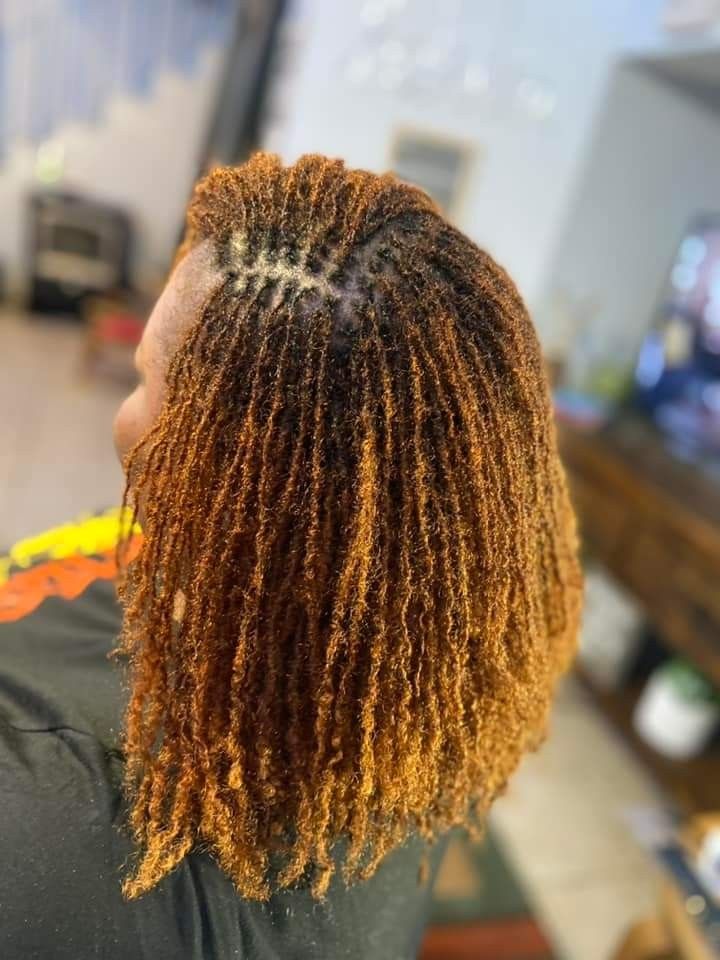
Itchy scalp during loc maturation is very common, especially in the early and budding stages. Understanding the cause will help you manage it properly instead of making it worse.
One of the main causes is dryness. As your hair begins to lock, your scalp may not be getting enough moisture, which can lead to irritation and itching. This is why maintaining proper hydration is so important during this stage.
Another major cause is product buildup. When products are not properly washed out, they can accumulate on your scalp and inside your locs. Over time, this can clog your pores and cause itching or discomfort. To avoid this, it is important to understand Buildup in Your Locs and keep your routine clean.
Infrequent or improper washing can also lead to itching. Sweat, dirt, and oils can build up on your scalp, especially if you go too long without washing. Finding the right washing routine is key, so make sure you read How Often Should You Wash Your Locs? to maintain a healthy balance.
Your scalp may also be adjusting to a new routine. If you recently started your locs, your scalp is still adapting to less manipulation and different care habits. This adjustment period can sometimes cause temporary itching.
Understanding these causes will help you take the right steps to keep your scalp calm and healthy during your loc journey.
Tips to Relieve and Prevent Itchy Scalp During Loc Maturation
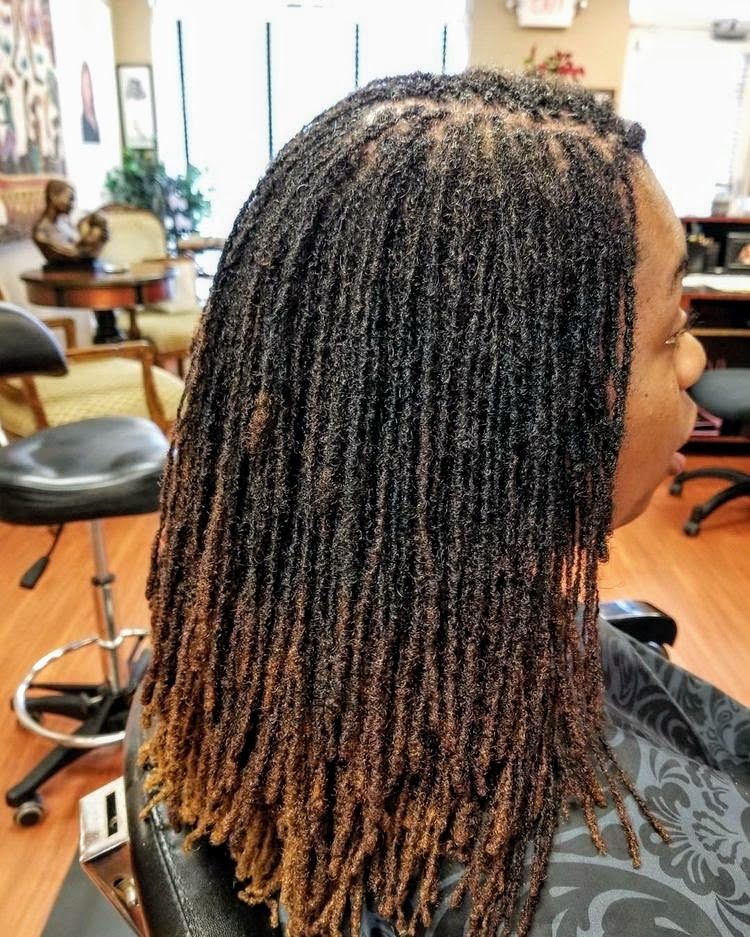
1. Keep Your Scalp Moisturized
Dryness is one of the biggest causes of itching, so keeping your scalp hydrated is essential.
When your scalp lacks moisture, it becomes tight, flaky, and irritated. This can make the itching feel constant and uncomfortable.
Using light, water-based sprays or simply misting your hair with water can help keep your scalp balanced. You do not need heavy products, just consistent hydration.
If you are unsure how to properly moisturize without causing buildup, read How to Keep Your Locs Moisturized Naturally to build a simple routine.
2. Wash Your Locs Regularly
Keeping your scalp clean helps prevent itching caused by sweat, dirt, and product residue.
When you go too long without washing, buildup can clog your pores and irritate your scalp. On the other hand, overwashing without proper moisture can also lead to dryness.
The key is to find a balance that works for your hair and lifestyle.
If you are not sure how often to wash your locs, check out How Often Should You Wash Your Locs? to create a routine that keeps your scalp healthy.
3. Avoid Heavy Products
Heavy oils, waxes, and creams can sit on your scalp and cause buildup over time.
Instead of helping, these products can clog your pores and make itching worse.
This is especially common for beginners who believe more product equals better results.
Keeping your routine simple with lightweight products will help your scalp stay clean and comfortable.
4. Do Not Scratch Aggressively
It can be tempting to scratch your scalp when it itches, but doing this too aggressively can damage your roots.
Constant scratching can weaken your locs at the base and even lead to breakage over time.
Instead, gently massage your scalp with your fingertips or use a soft tool to relieve the itch without causing harm.
To understand how to protect your locs from damage, read How to Prevent Breakage in New Locs and build better habits.
5. Keep a Consistent Care Routine
Inconsistent care can lead to dryness, buildup, and irritation.
When you take care of your locs only occasionally, your scalp does not get the balance it needs to stay healthy.
Creating a simple routine and sticking to it will help prevent itching before it even starts.
If you need guidance, check out Daily Loc Care Tips for Beginners to stay consistent.
6. Let Your Scalp Adjust
If you are new to locs, your scalp may need time to adjust to your new routine.
This adjustment period can come with some itching, but it is usually temporary.
Instead of overreacting or changing your routine too often, give your scalp time to adapt.
Understanding the early stage will help you stay calm and avoid unnecessary changes.
7. Stay Hydrated and Maintain a Healthy Lifestyle
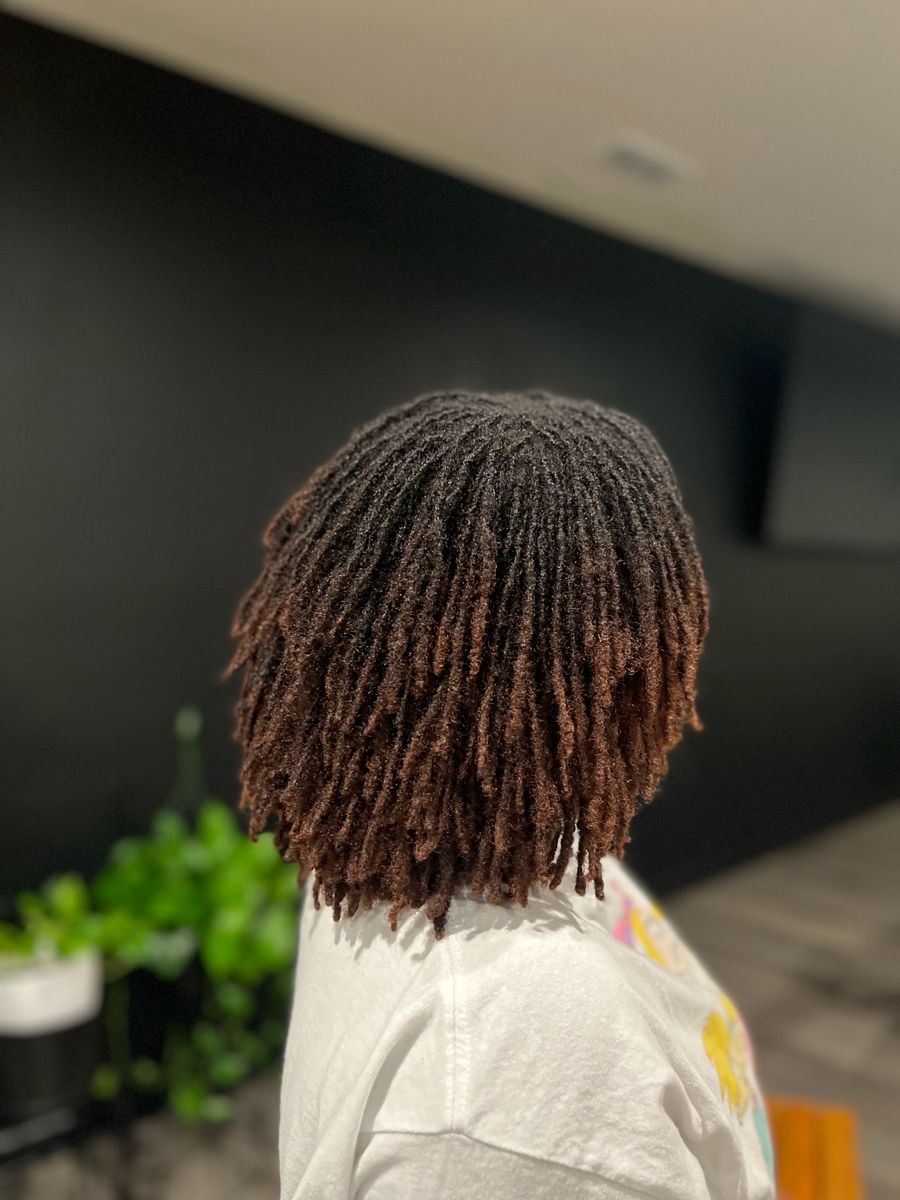
What you do internally also affects your hair and scalp.
Drinking enough water and maintaining a balanced diet can help keep your scalp hydrated from within.
When your body is properly nourished, it reflects in your hair health as well.
8. Avoid Following Every Trend
Not every tip or product you see online is good for your locs.
Some trends promote heavy product use or unnecessary routines that can make itching worse.
It is important to filter information and stick to what actually works for your hair.
To avoid common mistakes, read The Truth About Loc Myths Beginners Need to Ignore and focus on proven practices.
Final Thoughts
Dealing with an itchy scalp during loc maturation can be frustrating, but it is a normal part of the journey. The key is to understand what your scalp needs and respond with the right care instead of reacting out of frustration.
Simple habits like keeping your scalp moisturized, washing your locs properly, and avoiding heavy products can make a big difference over time. When you stay consistent with these practices, you will notice less irritation and a healthier scalp overall.
It is also important to be patient with yourself during this stage. Your scalp is adjusting to a new routine, and some level of itching is completely normal, especially in the beginning.
If you are still in the early phase of your journey and want to better understand what is happening, make sure you read First Week After Starting Locs: What to Expect so you can feel more confident and prepared.
At the end of the day, your loc journey is about learning what works for you. Stay consistent, keep your routine simple, and trust the process. With time and proper care, your scalp will become more balanced, and the itching will reduce significantly.
Leave a Reply