Starting locs is an exciting step, but one of the most important decisions you’ll make early on is choosing the right starter method for your hair type. Many beginners assume that any method will work the same way for everyone, but the truth is that your hair texture, density, and lifestyle all play a major role in how your locs will form, look, and mature over time. Choosing the wrong method can lead to frustration, slow locking, excessive unraveling, or even damage to your hair.
There are several popular starter methods, including two-strand twists, comb coils, interlocking, and instant locs, and each one behaves differently depending on your hair type. Understanding these differences helps you avoid common beginner mistakes and ensures your loc journey starts on the right foundation.
It’s also important to understand the bigger picture of how locs are formed. Some people prefer a structured approach with defined parts and uniform locs, while others lean toward a more natural, low-manipulation method. If you’re still deciding between these two paths, you can check out Freeform Locs vs. Starter Locs: Pros and Cons to better understand which overall approach fits your lifestyle and hair goals.
In this guide, we’ll break down how to choose the best starter method based on your specific hair type, explain what works best for different textures, and help you avoid methods that may slow down your progress. By the end of this post, you’ll have a clear understanding of which method will give you the best results, making your loc journey smoother, healthier, and more enjoyable from the very beginning.
Understanding Your Hair Type Before Choosing a Method
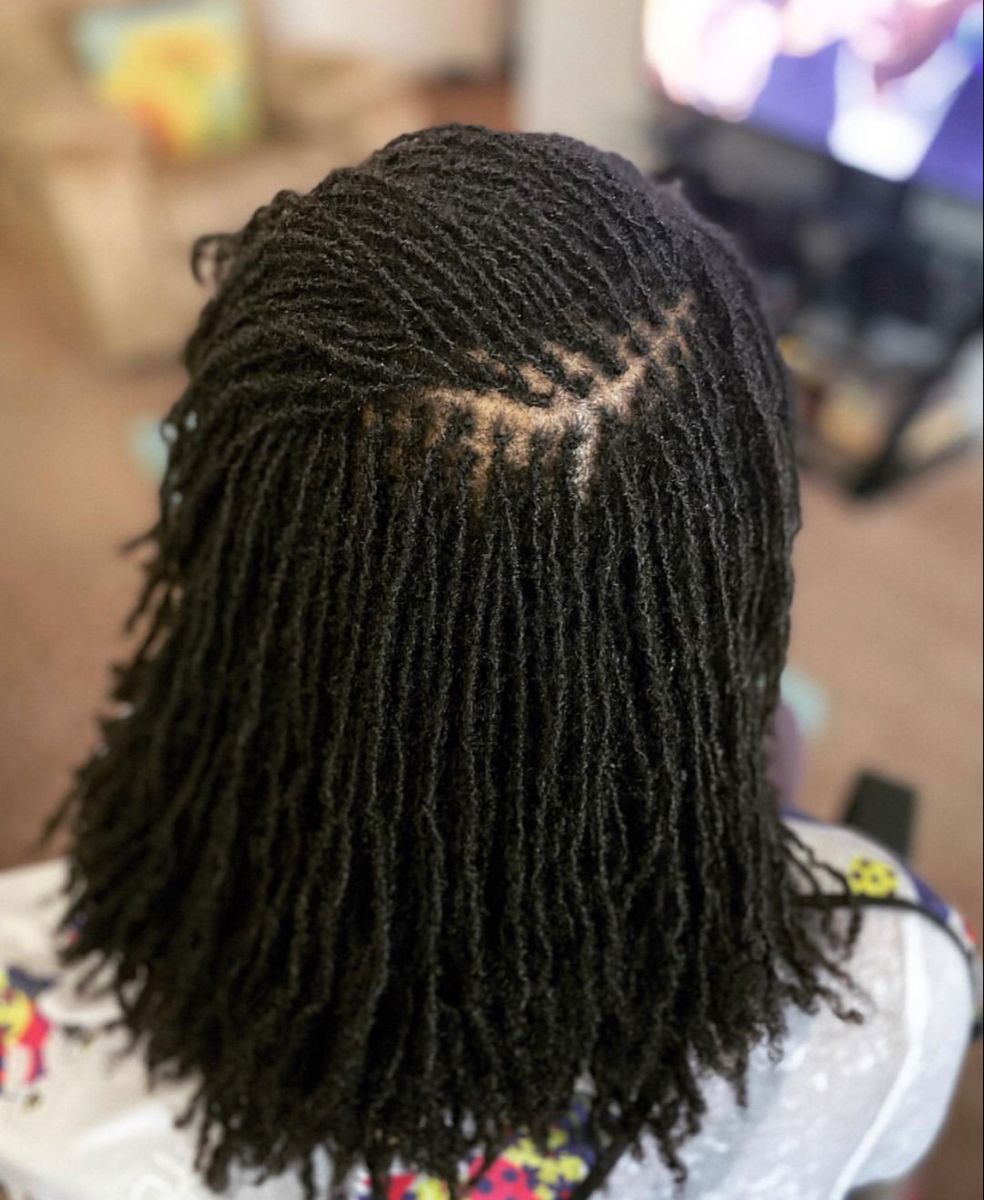
Before choosing a starter loc method, you need to understand your hair type because it affects how your locs will form and mature. Your curl pattern, density, and strand thickness all play a role in what method will work best for you.
Your curl pattern is the most important factor. If you have type 4 (coily) hair, your strands naturally tangle and lock faster. This makes methods like comb coils and two-strand twists very effective because the hair holds its shape easily.
If you have type 3 (curly) or looser hair, your hair may unravel more in the early stages. In this case, methods like interlocking or instant locs can help keep your hair secure while it begins to lock.
Your hair density also matters. Thicker hair can support smaller parts and still look full, while thinner hair may need larger sections to avoid looking sparse.
Lastly, your strand thickness plays a role. Fine hair may need methods that hold better, while coarse hair can lock more easily with less effort.
Understanding these factors helps you choose a method that works with your hair, making your loc journey smoother from the start.
Recommended: The Complete Beginner’s Guide to Starting Locs
Best Starter Methods for Different Hair Types
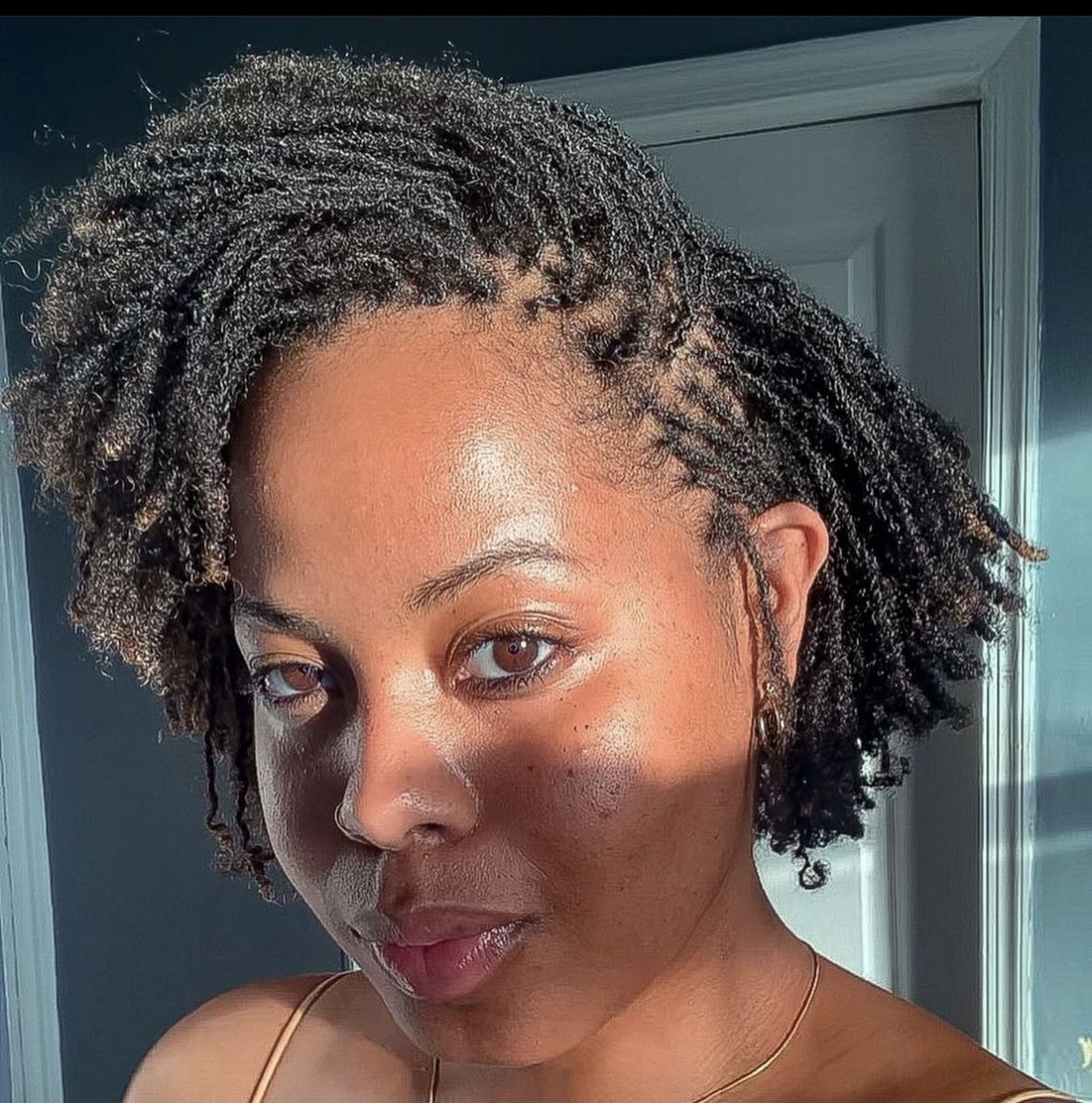
Choosing the right starter method becomes easier when you match it to your hair type. Different textures respond differently, so using the right method helps your locs form faster and stay intact.
If you have type 4 (coily) hair, you have the most flexibility. Your hair naturally holds styles well, so comb coils and two-strand twists are great options. These methods help your locs form quickly because your hair already coils and tangles easily.
For type 3 (curly) hair, you may experience more unraveling in the beginning. Because of this, two-strand twists work better than coils, and interlocking can be a great option if you want extra hold. This helps keep your locs secure while they begin to mature.
If your hair is loose, wavy, or soft in texture, interlocking or instant locs are usually the best choices. These methods create a stronger foundation and reduce the chances of your locs coming undone. They also help speed up the locking process for hair that does not naturally tangle easily.
For fine hair, it’s best to choose a method that provides structure and hold. Interlocking works well because it keeps the roots secure and reduces unraveling. For thicker or coarse hair, twists and coils are usually enough because the hair locks more easily on its own.
The goal is to choose a method that works with your hair, not against it. When your method matches your hair type, your locs will form better, require less maintenance, and look more consistent as they grow.
You should see this: Twist, Comb Coil, Interlock: Which Loc Method Should You Choose?
Mistakes to Avoid When Choosing a Starter Method
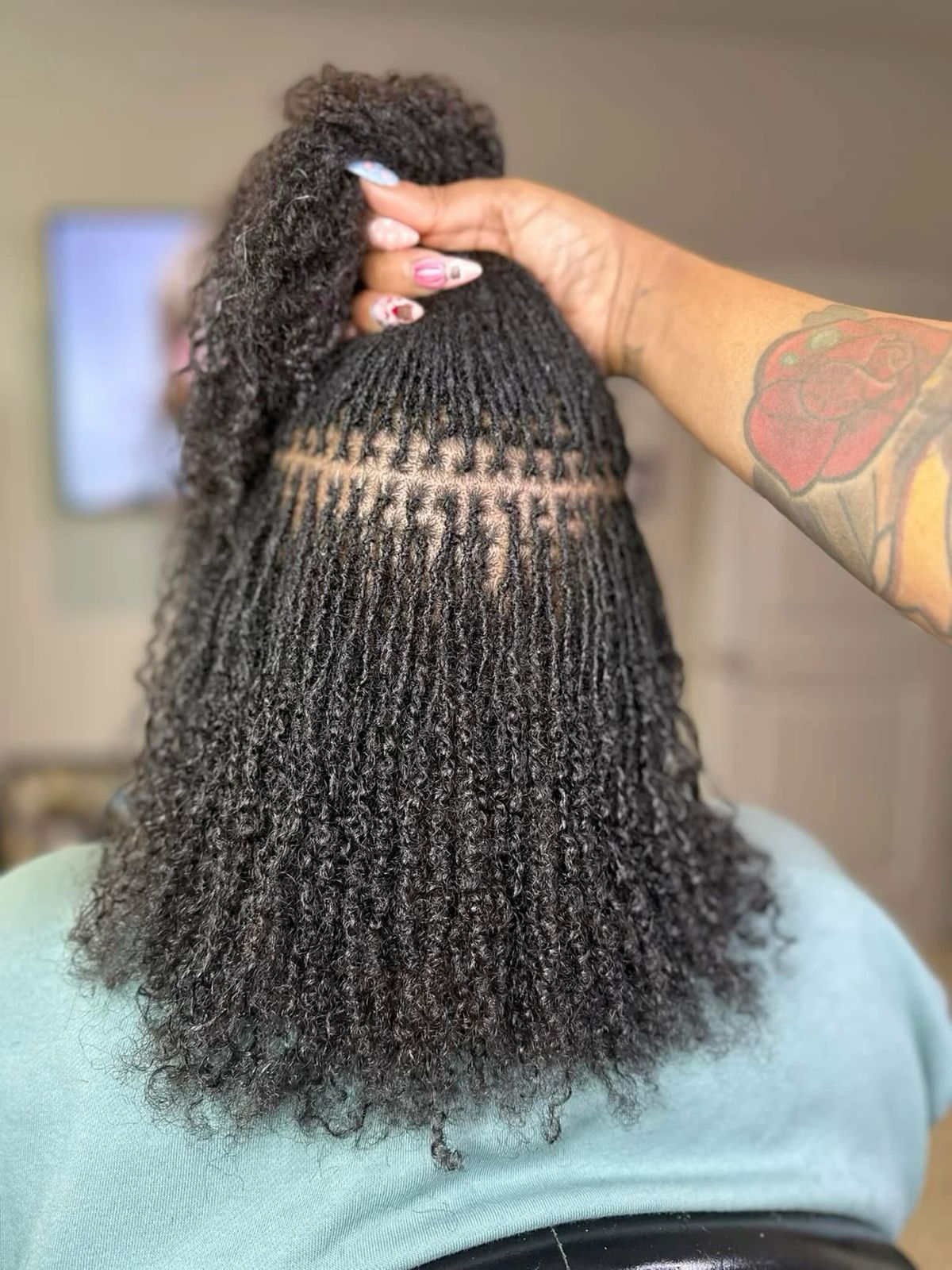
1. Choosing Based on Trends Instead of Your Hair Type
Many beginners pick a method because it looks good on someone else. However, different hair types behave differently. A method that works for coily hair may not hold well on looser textures, leading to unraveling and frustration.
2. Focusing on Looks Instead of Function
Some starter methods look very neat at the beginning but may not last. Choosing a method that holds your hair properly is more important than how it looks on day one. Your locs will look better as they mature.
3. Starting with the Wrong Loc Size
Loc size affects how your hair will look long-term. Very small locs on low-density hair can appear thin over time, while very large locs may limit styling options. It’s important to choose a size that suits your hair and goals.
4. Over-Manipulating Your Hair Too Early
Constant retwisting or trying to fix your locs can weaken your roots. Your hair needs time to settle and begin locking naturally. Too much manipulation can slow down progress and cause breakage.
5. Ignoring Proper Sectioning
Uneven parts can lead to locs that grow in different sizes. This can make your hair look inconsistent as it matures. Taking time to section your hair properly creates a strong and balanced foundation.
6. Expecting Instant Results
Locs take time to form, no matter the method you choose. Expecting quick results can lead to frustration and unnecessary changes. Patience is key if you want healthy and strong locs.
7. Not Considering Your Lifestyle
Your daily routine matters more than you think. If you prefer low-maintenance hair, some methods may feel too demanding. For example, starter locs often need regular upkeep, while other methods may require less attention. Choosing a method that fits your lifestyle makes your journey easier to maintain.
8. Using Too Many Products Early On
Many beginners overload their hair with creams, gels, and oils. This can cause buildup and slow down the locking process. Starter locs need lightweight products so the hair can lock properly without residue.
9. Not Understanding Your Hair’s Shrinkage
Shrinkage can make your locs appear much shorter than they actually are. Some methods shrink more than others, especially on coily hair. Not expecting this can make beginners feel like their hair is not growing.
10. Skipping Proper Research Before Starting
Jumping into locs without enough knowledge can lead to mistakes. Understanding different methods, maintenance routines, and what to expect helps you make better decisions. The more informed you are, the smoother your loc journey will be.
Bookmark this: How to Decide If Locs Are Right for You
Final Thoughts
Choosing the right starter method for your hair type can make a huge difference in how your loc journey begins and progresses. When your method matches your hair texture, density, and lifestyle, everything becomes easier, from maintenance to how quickly your locs form. Taking the time to understand your hair and avoid common mistakes helps you build a strong foundation for healthy, long-lasting locs.
It’s important to remember that no single method works for everyone. What matters most is choosing an approach that supports your hair and aligns with your personal goals. Whether you prefer a neat and structured look or a more natural and relaxed process, the right method will help you feel more confident and comfortable throughout your journey.
If you’re still exploring your options or trying to understand the bigger picture, you can check out Freeform Locs vs. Starter Locs: Pros and Cons. That guide breaks down both approaches in detail and can help you decide which overall path is right for you before choosing a specific starter method.
At the end of the day, your loc journey is personal. Stay patient, care for your hair consistently, and trust the process. With the right method and mindset, your locs will grow into a style that reflects your individuality and natural beauty.
Leave a Reply