One of the biggest challenges many people face on their loc journey is keeping their locs properly moisturized. Dry locs can lead to breakage, dullness, and slow growth, especially in the early stages.
Many beginners assume that simply adding oils will keep their locs hydrated. However, true moisture comes from understanding what your hair needs and building the right routine. Without this knowledge, it is easy to fall into habits that actually make dryness worse.
If you are new to locs and still learning the basics, it is helpful to start with The Complete Beginner’s Guide to Starting Locs so you can build a strong foundation.
In this post, you will learn how to keep your locs moisturized naturally, what causes dryness, and simple habits that will help your locs stay soft, healthy, and strong over time.
Why Moisture Is Important for Locs
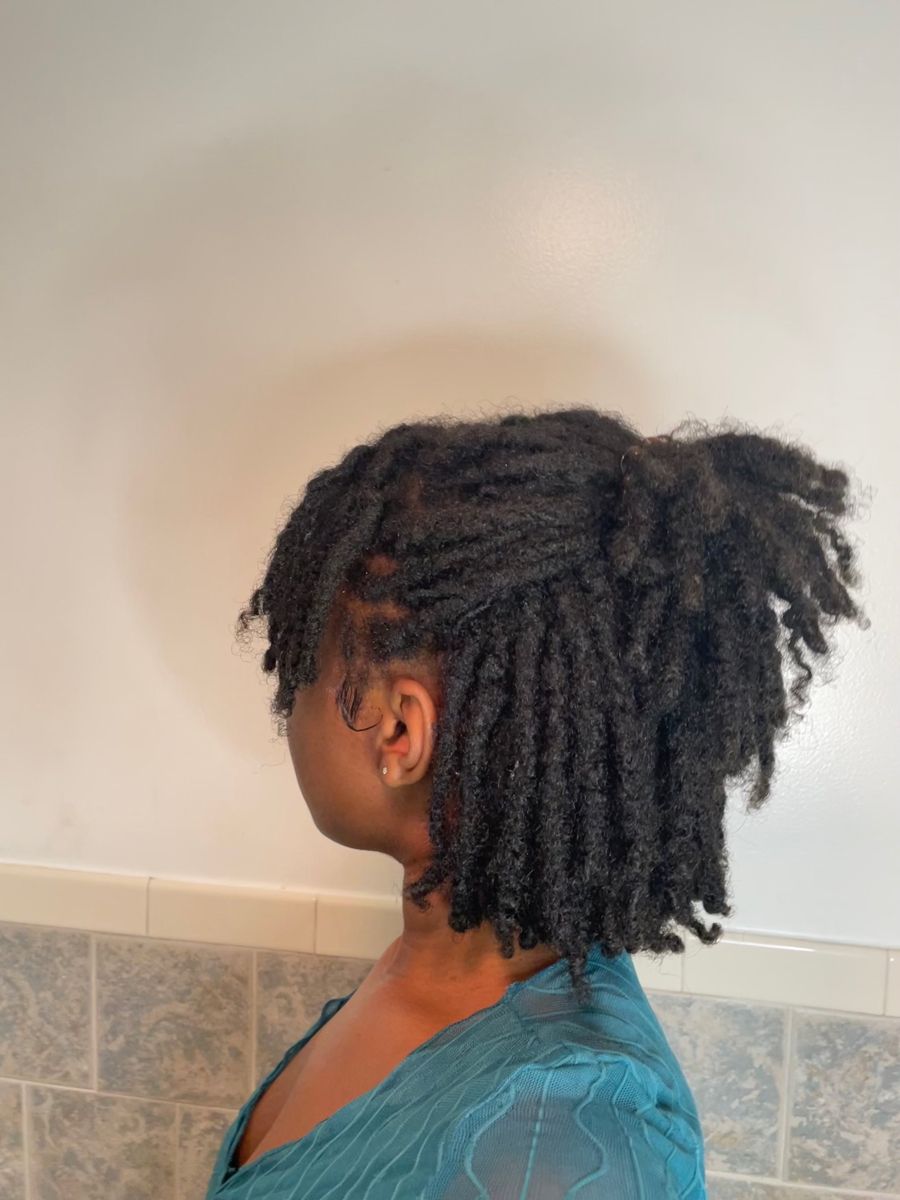
Moisture plays a major role in the health of your locs. Without it, your hair becomes dry and brittle, which increases the chances of breakage.
Well-moisturized locs are more flexible and easier to manage. They also look healthier, shinier, and feel softer to the touch.
Moisture is also important for your scalp. A dry scalp can lead to itchiness, flakes, and discomfort, which can make your loc journey frustrating.
Many people misunderstand moisture and rely heavily on oils alone. To avoid these common mistakes, it is important to understand The Truth About Loc Myths Beginners Need to Ignore so you can care for your locs the right way.
What Causes Dry Locs?
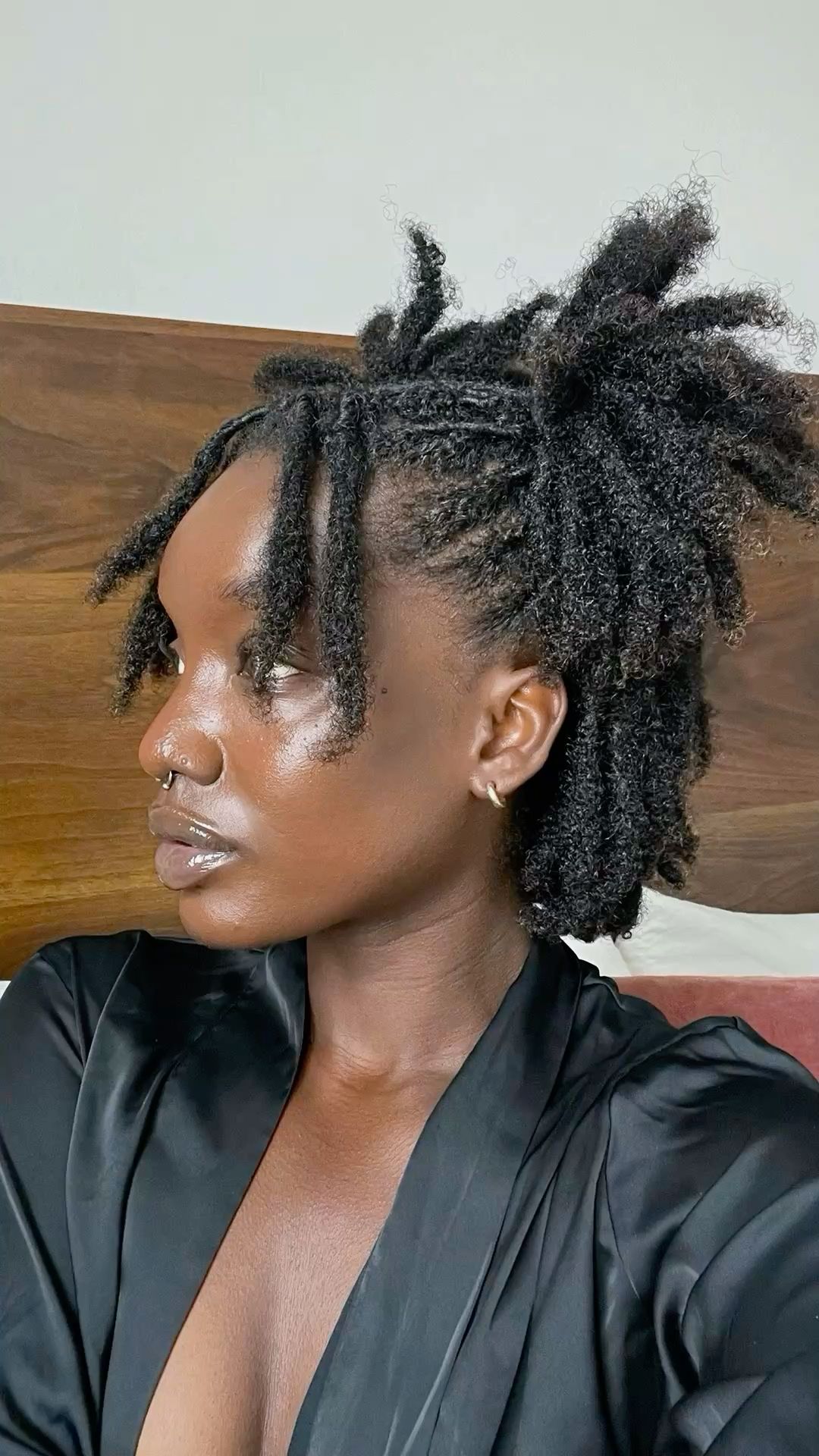
Before learning how to moisturize your locs, it is important to understand what causes dryness in the first place.
One common cause is not having a consistent routine. Without regular care, your locs can lose moisture quickly.
Another cause is overwashing or improper washing. Washing too frequently without replacing moisture can leave your locs dry. If you are unsure about your routine, check out How Often Should You Wash Your Locs? to find the right balance.
Product buildup can also block moisture from entering your locs. When your locs are coated with residue, it becomes harder for water to penetrate. That is why it is important to read Avoiding Product Buildup in Your Locs and keep your hair clean.
Environmental factors like sun, wind, and dry air can also strip moisture from your locs over time.
Lastly, starting your loc journey without proper preparation can affect how well your hair retains moisture. You can learn more about this in How to Prepare Your Hair Before Starting Locs.
How to Keep Your Locs Moisturized Naturally
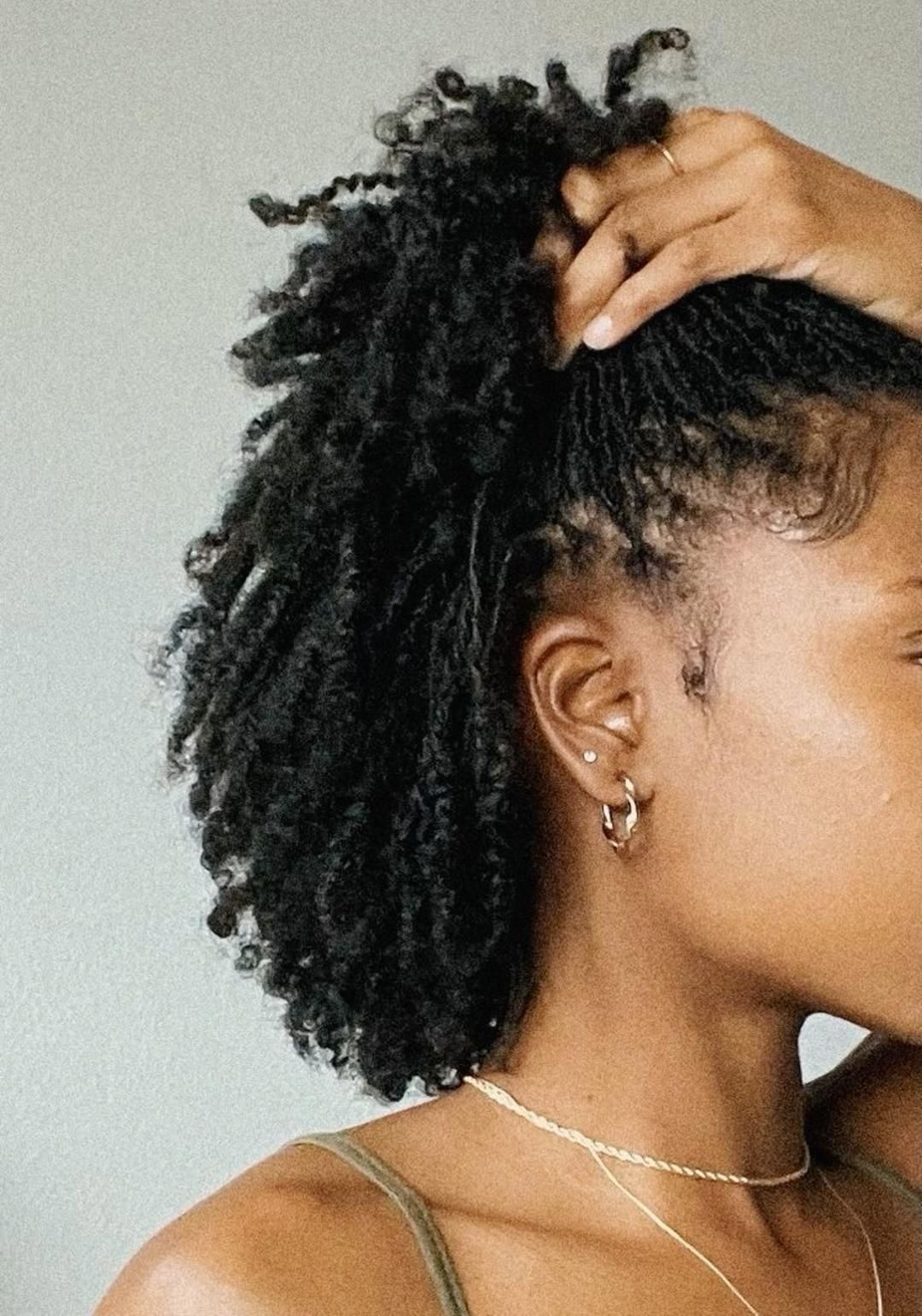
1. Use Water as Your Main Source of Moisture
Water is the most important and natural moisturizer for your locs.
Many people rely only on oils, but oils do not actually hydrate your hair. Instead, they help seal in moisture.
Lightly misting your locs with water daily or every few days helps keep them hydrated. This is especially important if you live in a dry environment.
Keeping your locs hydrated with water helps prevent dryness and keeps them soft and flexible.
2. Seal in Moisture With Light Oils
After applying water, it is important to seal in that moisture.
Using light oils like jojoba oil or coconut oil can help lock in hydration without causing buildup.
Avoid using heavy oils or too much product, as this can clog your locs and prevent moisture from entering.
Keeping your routine simple will help your locs stay hydrated without becoming greasy or heavy.
3. Follow a Consistent Routine
Consistency is one of the most important parts of maintaining moisture.
Moisturizing your locs once in a while is not enough. You need to build a routine that works for your hair and stick to it.
A simple daily or weekly routine can make a huge difference in how your locs look and feel.
If you need help creating a routine, check out Daily Loc Care Tips for Beginners to stay on track.
4. Avoid Heavy Products
Heavy creams, waxes, and butters can sit on your locs and block moisture from entering.
Over time, this leads to buildup, which makes it harder for your locs to absorb water.
Instead, focus on lightweight, water-based products that hydrate your hair without leaving residue.
Keeping your products minimal will help your locs stay clean and moisturized.
5. Protect Your Locs at Night
Nighttime care plays a big role in maintaining moisture.
Sleeping without protection can cause friction, which leads to dryness and breakage.
Using a satin bonnet, scarf, or pillowcase helps your locs retain moisture while you sleep.
This simple habit can make a big difference in preventing dryness over time.
6. Keep Your Scalp Healthy
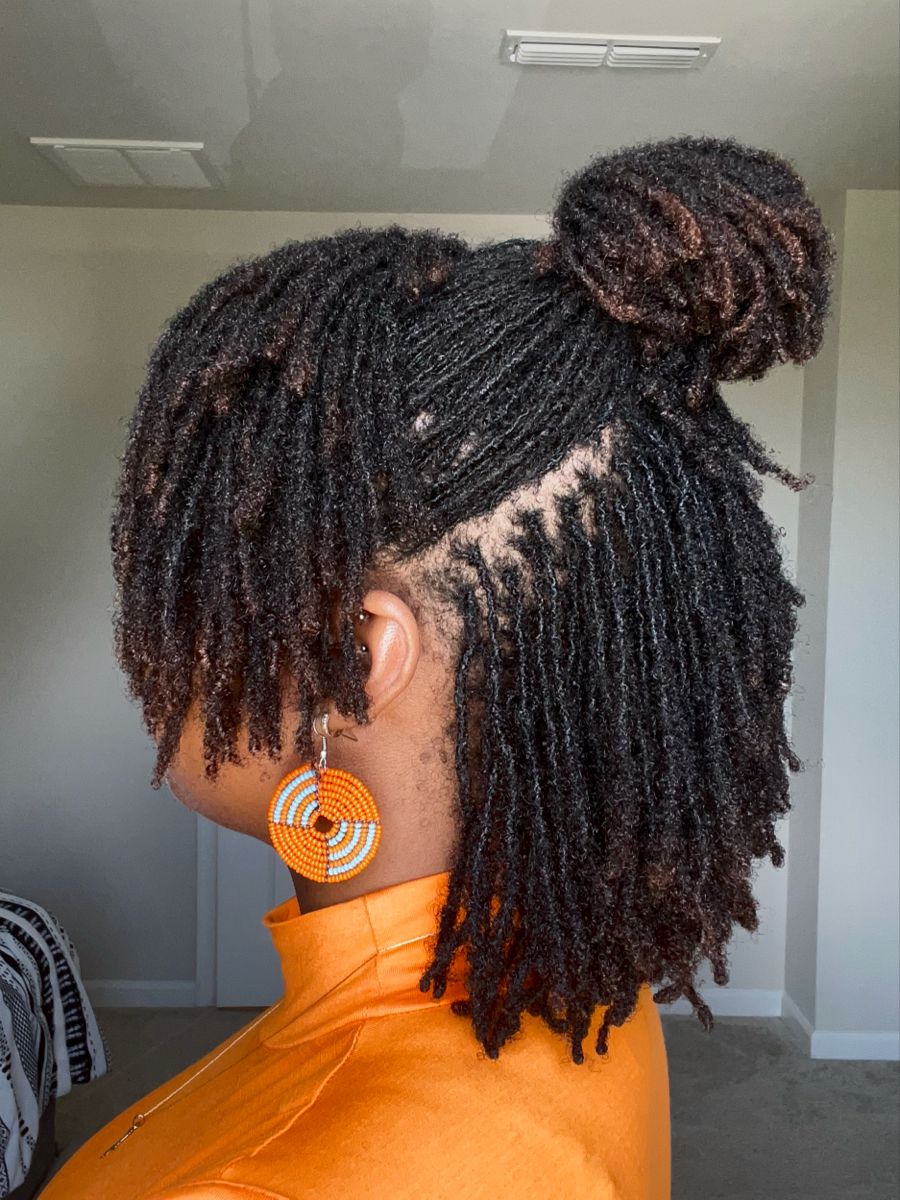
Healthy locs start with a healthy scalp.
If your scalp is dry, it can affect the overall moisture of your locs.
Make sure you keep your scalp clean and lightly moisturized without overloading it with products.
A balanced scalp helps your locs grow stronger and retain moisture better.
7. Avoid Over-Manipulation
Constantly touching, styling, or retwisting your locs can cause dryness.
Too much manipulation weakens your hair and makes it harder to retain moisture.
Being gentle with your locs allows them to stay intact and maintain their natural hydration.
To understand how to protect your locs from damage, read How to Prevent Breakage in New Locs.
8. Understand Your Loc Type and Method
Different loc methods can affect how your hair holds moisture.
Some methods may require more maintenance, while others allow your locs to retain moisture more naturally.
Understanding your loc type will help you choose the right routine for your hair.
To learn more, check out Freeform Locs vs. Starter Locs: Pros and Cons and see what works best for you.
9. Start Your Loc Journey the Right Way
Moisture retention starts from the beginning of your loc journey.
If you choose the wrong method or do not prepare your hair properly, it can affect how your locs hold moisture later.
To make the best decisions early on, read What to Know Before Your First Loc Appointment so you can start correctly.
10. Choose the Right Starter Method
Your starter method plays a role in how your locs develop and retain moisture.
Some methods may require more product, while others allow for a more natural approach.
Choosing the right method for your hair type can make moisturizing easier in the long run.
If you are still deciding, check out Twist, Comb Coil, Interlock: Which Loc Method Should You Choose? for guidance.
11. Pay Attention to the Early Stage
The early stage of locs is when your hair needs the most care.
During this time, your locs are still forming and can dry out quickly if not properly maintained.
Understanding what to expect can help you avoid mistakes that lead to dryness.
If you are just starting, read First Week After Starting Locs: What to Expect so you can care for your locs properly.
12. Consider Your Lifestyle
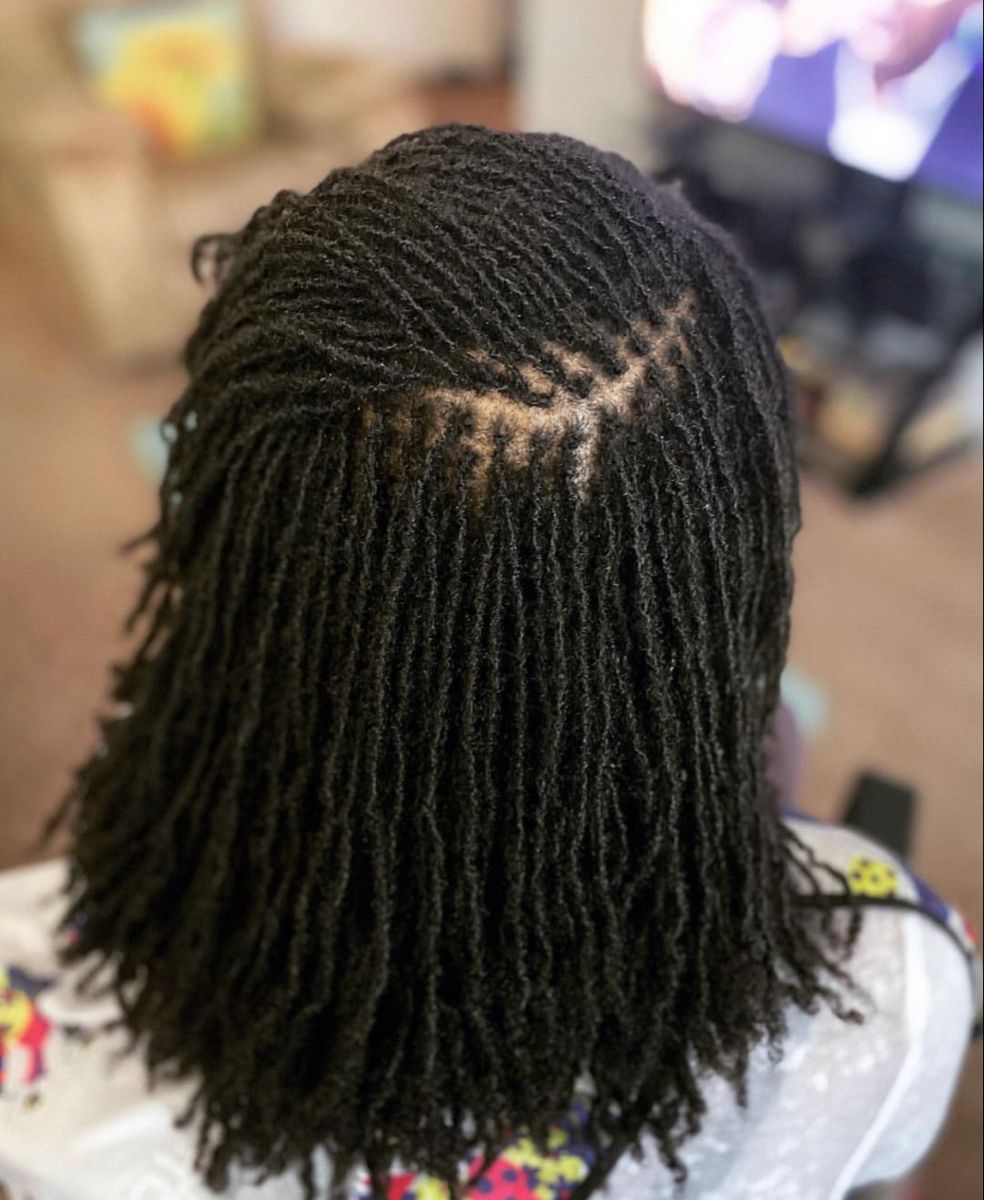
Your daily activities can affect how much moisture your locs need.
If you spend a lot of time in the sun or exercise frequently, your locs may lose moisture faster.
Adjust your routine based on your lifestyle to keep your locs hydrated.
13. Keep Your Hair Trimmed Before Starting
Healthy moisture retention starts with healthy ends.
If your hair was damaged before starting locs, it can affect how your locs hold moisture.
Starting with a good haircut can make your loc journey smoother.
To prepare properly, read Loc-Friendly Haircuts to Try Before Starting.
Final Thoughts
Keeping your locs moisturized naturally does not have to be complicated. The key is to focus on simple habits like using water, sealing in moisture, and maintaining a consistent routine.
Avoid overloading your locs with products, and instead focus on what truly works for your hair. The more you understand your locs, the easier it becomes to keep them hydrated and healthy.
Remember, healthy locs are built over time. Staying consistent with your routine and paying attention to your hair’s needs will help you achieve the best results.
With patience and the right care, your locs will stay soft, strong, and beautifully moisturized throughout your journey.
Leave a Reply