Starting your loc journey is exciting, but one of the biggest concerns beginners face is breakage. New locs are delicate, and without the right care, they can become weak, thin, or even start to fall out.
Breakage does not just happen overnight. It is often the result of small habits like over-manipulation, dryness, or using the wrong techniques. The good news is that with the right knowledge and routine, you can protect your locs and help them grow strong from the beginning.
If you are completely new to locs, you may want to start with The Complete Beginner’s Guide to Starting Locs to understand the foundation of a healthy loc journey.
In this post, you will learn how to prevent breakage in new locs, what causes it, and the simple habits that will keep your locs strong and healthy as they grow.
What Causes Breakage in New Locs
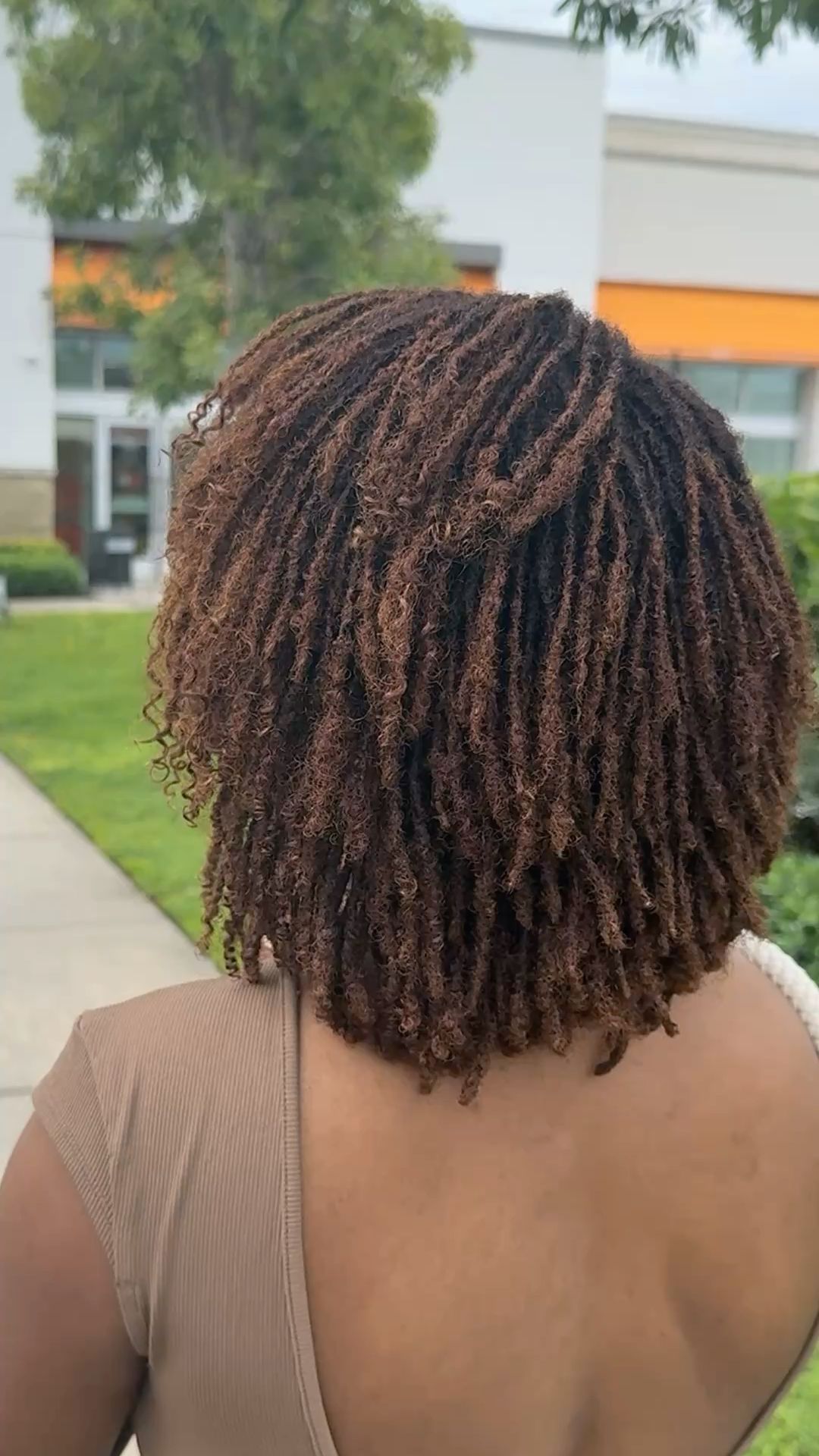
Understanding what causes breakage is the first step to preventing it. Many beginners damage their locs without realizing it.
One major cause is choosing the wrong starting method for your hair type. Some methods may put too much tension on your roots or not suit your hair texture. If you are unsure, check out Twist, Comb Coil, Interlock: Which Loc Method Should You Choose? to make the right decision.
Another common cause is excessive tension. Tight styles and frequent retwisting can weaken your roots over time.
Dryness is also a major factor. Without proper moisture, your locs can become brittle and prone to breaking.
Lack of preparation before starting locs can also lead to problems. If your hair is not in a healthy state from the beginning, it becomes easier for breakage to occur.
Finally, unrealistic expectations and misinformation can cause beginners to make mistakes. Understanding the truth about loc care is essential to avoiding damage.
How to Prevent Breakage in New Locs
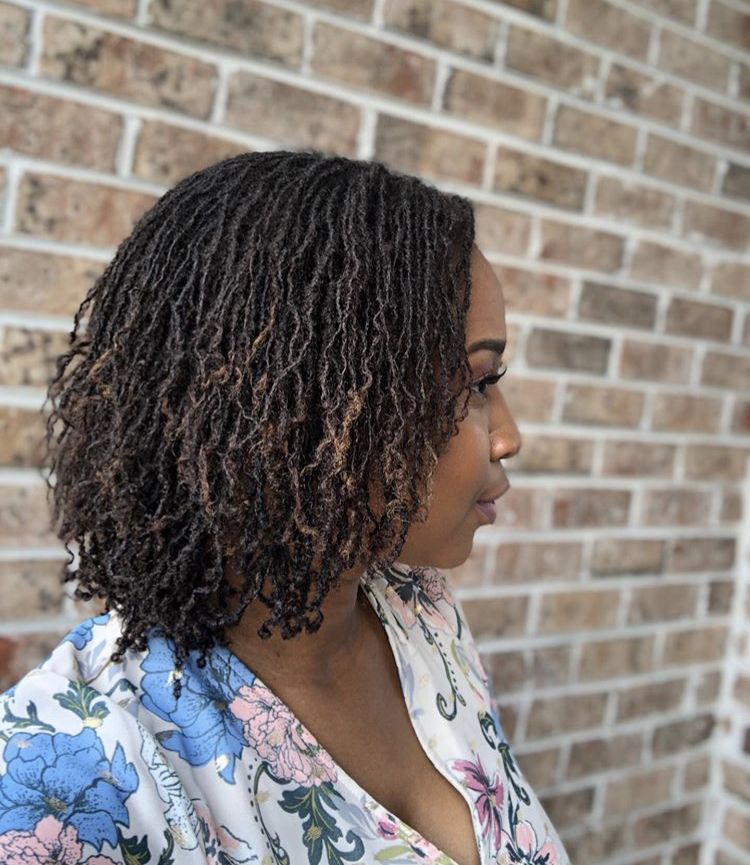
1. Start With the Right Method
Choosing the right method from the beginning can prevent many issues later.
Your hair type plays a big role in how well your locs form and hold. Some methods work better for certain textures, while others may cause unnecessary tension or unraveling.
If you start with a method that does not suit your hair, your locs may struggle to form properly, which can lead to weak spots and breakage over time.
It is also important to consider your lifestyle. Some methods require more maintenance than others, and choosing the wrong one can lead to frustration and over-manipulation.
If you are unsure what works best, read How to Choose the Right Starter Method for Your Hair Type for guidance. Starting correctly gives your locs a stronger and healthier foundation.
2. Avoid Excessive Retwisting
Retwisting too often can weaken your roots and cause thinning, especially in the early stages.
While it may be tempting to keep your locs looking neat all the time, frequent retwisting puts constant tension on your scalp. Over time, this can lead to breakage or even hair loss around the roots.
Your locs need time to grow and settle between retwists. Giving your hair a break allows the strands to lock naturally without stress.
Instead of focusing on perfect appearance, focus on healthy growth. Neatness will come later as your locs mature.
A good rule is to retwist only when necessary and avoid making it part of a weekly routine.
3. Keep Your Locs Moisturized
Dry locs are one of the main causes of breakage. When your hair lacks moisture, it becomes brittle and more likely to snap.
Keeping your locs hydrated helps them stay soft, flexible, and strong. This reduces the chances of breakage, especially during the early stages.
Use light, water-based products to add moisture to your locs. Avoid heavy creams or thick oils that can build up inside your locs.
Pay attention to how your hair feels daily. If your locs feel dry or rough, it is a sign they need moisture.
Consistent hydration is one of the simplest ways to keep your locs healthy and prevent damage.
4. Be Gentle With Your Locs
New locs are fragile and need to be handled with care at all times.
Rough handling, pulling, or constant touching can weaken the structure of your locs and lead to breakage.
Many beginners play with their locs out of excitement, but this can slow down the locking process and create weak points.
When styling or adjusting your hair, always be gentle. Avoid putting stress on your roots or pulling too tightly.
The less you manipulate your locs, the stronger and healthier they will become over time.
5. Avoid Tight Styles
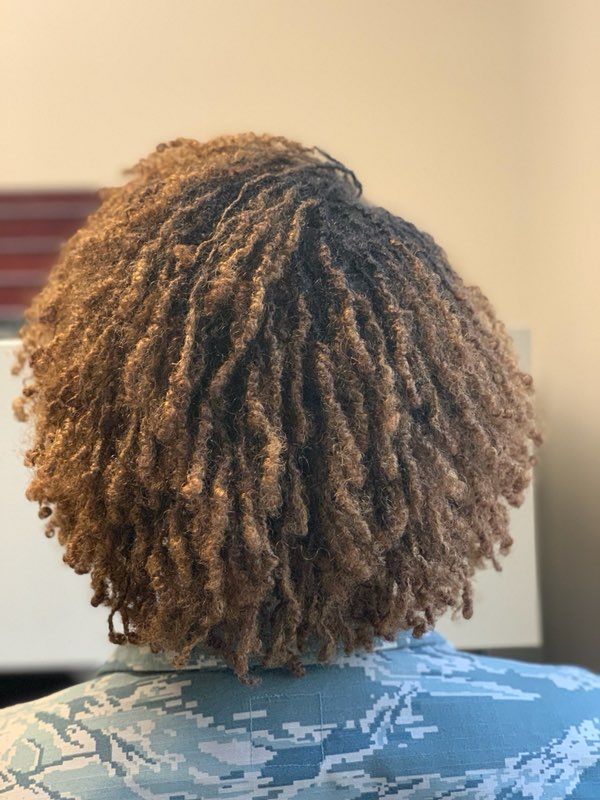
Tight styles can put a lot of stress on your roots and edges, leading to breakage over time.
Styles that pull your locs too tightly can cause tension, which weakens the hair at the root and may lead to thinning.
This is especially risky in the early stages when your locs are still forming and not yet strong.
Instead, go for loose, low-tension styles that protect your hair without causing stress.
Protective styles should feel comfortable, not painful. If it hurts, it is too tight.
6. Prepare Your Hair Properly
Healthy locs start with healthy hair. If your hair is weak or damaged before starting locs, it increases the chances of breakage later.
Preparing your hair properly ensures that your locs have a strong foundation to grow from.
This includes keeping your hair clean, trimmed, and well-moisturized before starting your loc journey.
If you skip this step, you may carry existing damage into your locs, which can show up as breakage later on.
To start on the right foundation, read How to Prepare Your Hair Before Starting Locs.
7. Protect Your Hair at Night
Nighttime care is often overlooked, but it plays a big role in preventing breakage.
When you sleep without protecting your hair, friction from your pillow can cause dryness and weaken your locs.
Over time, this can lead to breakage, especially around the edges and ends.
Using a satin bonnet, scarf, or pillowcase helps reduce friction and retain moisture.
This simple habit protects your locs while you sleep and keeps them in better condition.
8. Understand Your Loc Type
Different loc types require different care routines, and understanding yours can help prevent damage.
For example, freeform locs require less manipulation, while maintained locs may need more structured care.
Treating all locs the same can lead to mistakes that cause breakage.
Learning how your loc type behaves will help you make better decisions when it comes to maintenance and styling.
To understand your options better, check out Freeform Locs vs. Starter Locs: Pros and Cons.
9. Know What to Expect Early On
The early stage of locs can feel unpredictable, and many beginners panic when they see changes in their hair.
Some shedding, frizz, or loosening is normal, but reacting incorrectly can lead to damage.
For example, trying to “fix” your locs too often can lead to over-manipulation and breakage.
Understanding what is normal helps you stay calm and avoid unnecessary interference.
If you are in the early stage, read First Week After Starting Locs: What to Expect so you know what is normal.
10. Avoid Following Every Trend
Not every tip, product, or trend you see online is good for your locs.
Some trends encourage overuse of products or excessive styling, which can lead to buildup and breakage.
It is easy to feel like you need to try everything, but this can do more harm than good.
Focus on simple, proven practices that support healthy loc growth.
To avoid misinformation, read The Truth About Loc Myths Beginners Need to Ignore and stick to what actually works.
Final Thoughts
Preventing breakage in new locs comes down to building the right habits from the beginning. Simple things like choosing the right method, avoiding tension, and keeping your locs moisturized can make a huge difference over time.
Your loc journey is not about perfection but consistency. The more you understand your hair and care for it properly, the stronger your locs will become.
If you are still in the planning stage and want to make the best decisions before starting, you can explore What to Know Before Your First Loc Appointment to feel fully prepared.
At the end of the day, healthy locs are built with patience, care, and the right knowledge. Stay consistent, trust the process, and your locs will grow strong and beautiful.
Leave a Reply