Retwisting is an important part of maintaining neat and well-formed locs, but doing it the wrong way can cause more harm than good. Many people, especially beginners, focus on achieving a clean look without realizing that improper retwisting can lead to thinning, breakage, and scalp damage over time.
If you have ever experienced soreness, excessive tension, or irritation after a retwist, your scalp may already be reacting to the stress. Understanding how to care for your scalp during this process is just as important as maintaining your locs. You can learn more about managing discomfort in this guide on how to relieve itchy scalp during loc maturation so your routine stays balanced.
The truth is, healthy locs are not just about appearance, they are about protecting your roots and allowing your hair to grow strong. With the right techniques and habits, you can retwist your locs safely without causing unnecessary damage.
In this post, you will learn how to retwist your locs the right way, common mistakes to avoid, and simple tips to keep your locs healthy, strong, and thriving.
Why Proper Retwisting Matters
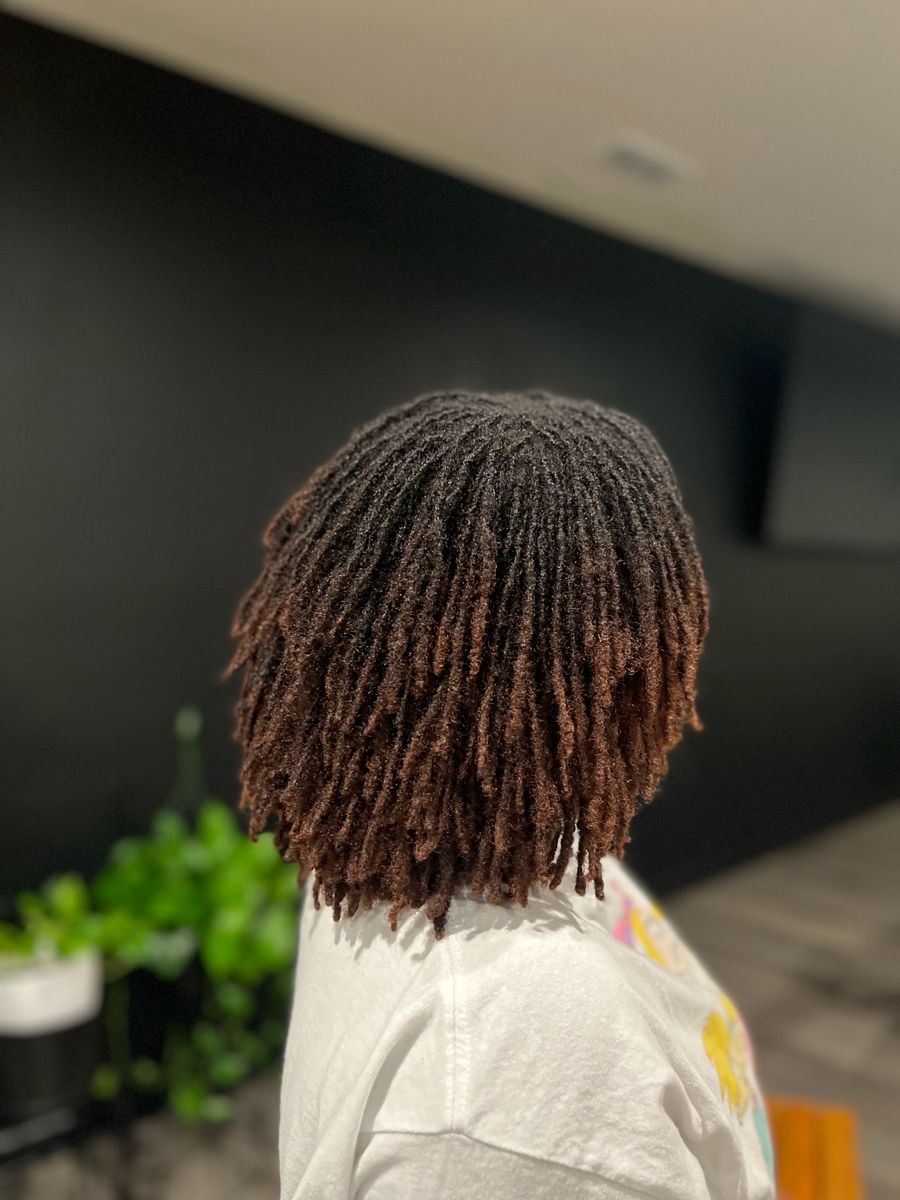
Retwisting is not just about making your locs look neat, it plays a role in how your locs develop over time. When done properly, it helps maintain your parts, supports the locking process, and keeps your style looking organized.
However, many people misunderstand the purpose of retwisting. It is not something that should be done frequently or aggressively. Overdoing it can weaken your roots and slow down healthy growth.
Some beginners also believe that tighter retwists mean better results. In reality, this mindset can lead to long-term damage. To avoid this, it is important to understand common loc myths beginners should ignore so you do not follow harmful practices.
Healthy locs are built through patience and proper care, not constant manipulation.
Signs Your Retwisting Method Is Causing Damage
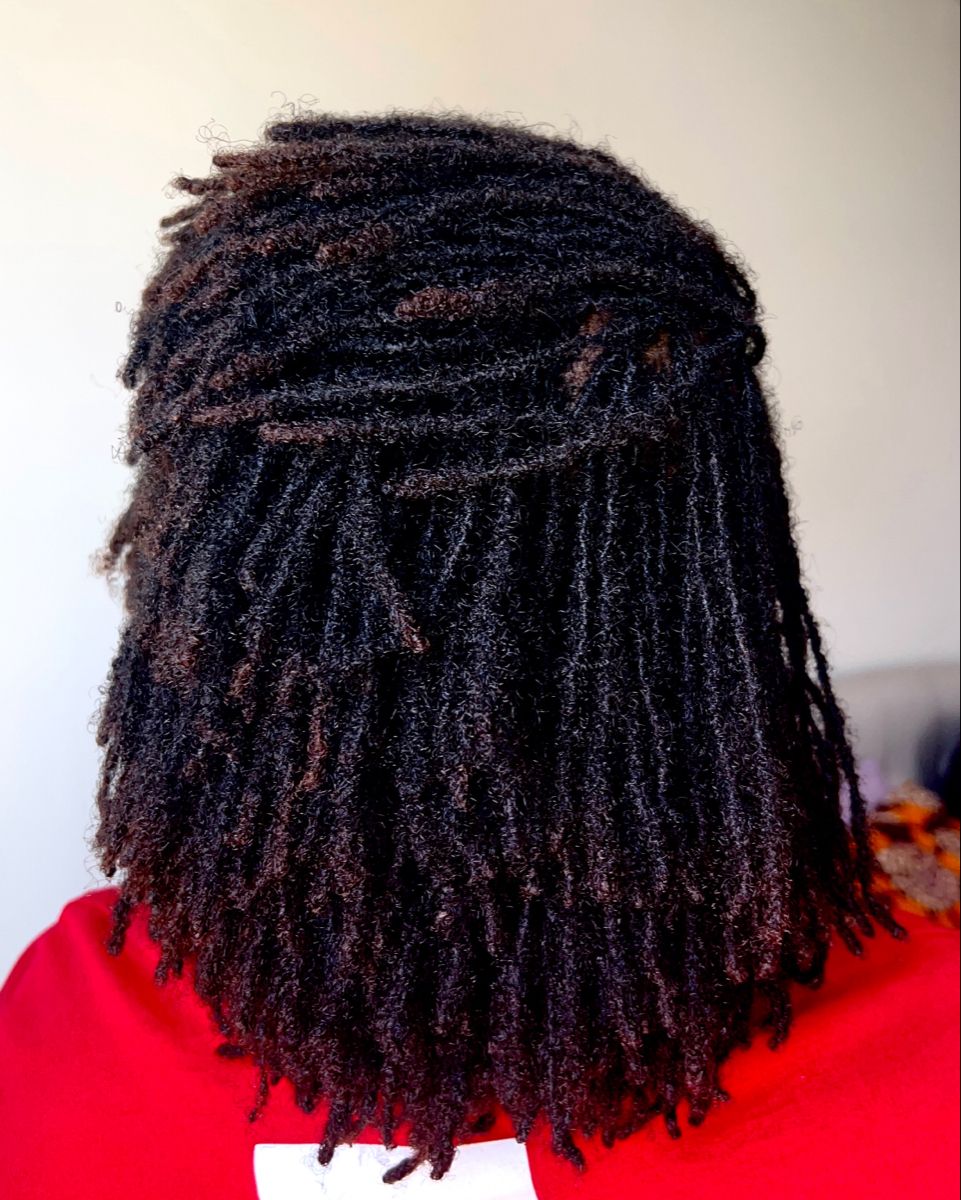
Before learning the right method, it is important to recognize when something is going wrong.
If you feel pain immediately after a retwist, that is a clear sign of too much tension. Retwisting should never feel uncomfortable or cause headaches.
Another sign is thinning at the roots. If you notice your locs becoming smaller at the base, it may be due to frequent or tight retwisting.
Excessive breakage or shedding is also a warning sign. Your locs should feel strong, not fragile.
You may also notice increased itchiness or irritation after retwisting. This can be caused by product buildup or stress on the scalp.
Paying attention to these signs early can help you adjust your routine before serious damage occurs.
How to Retwist Locs Without Causing Damage
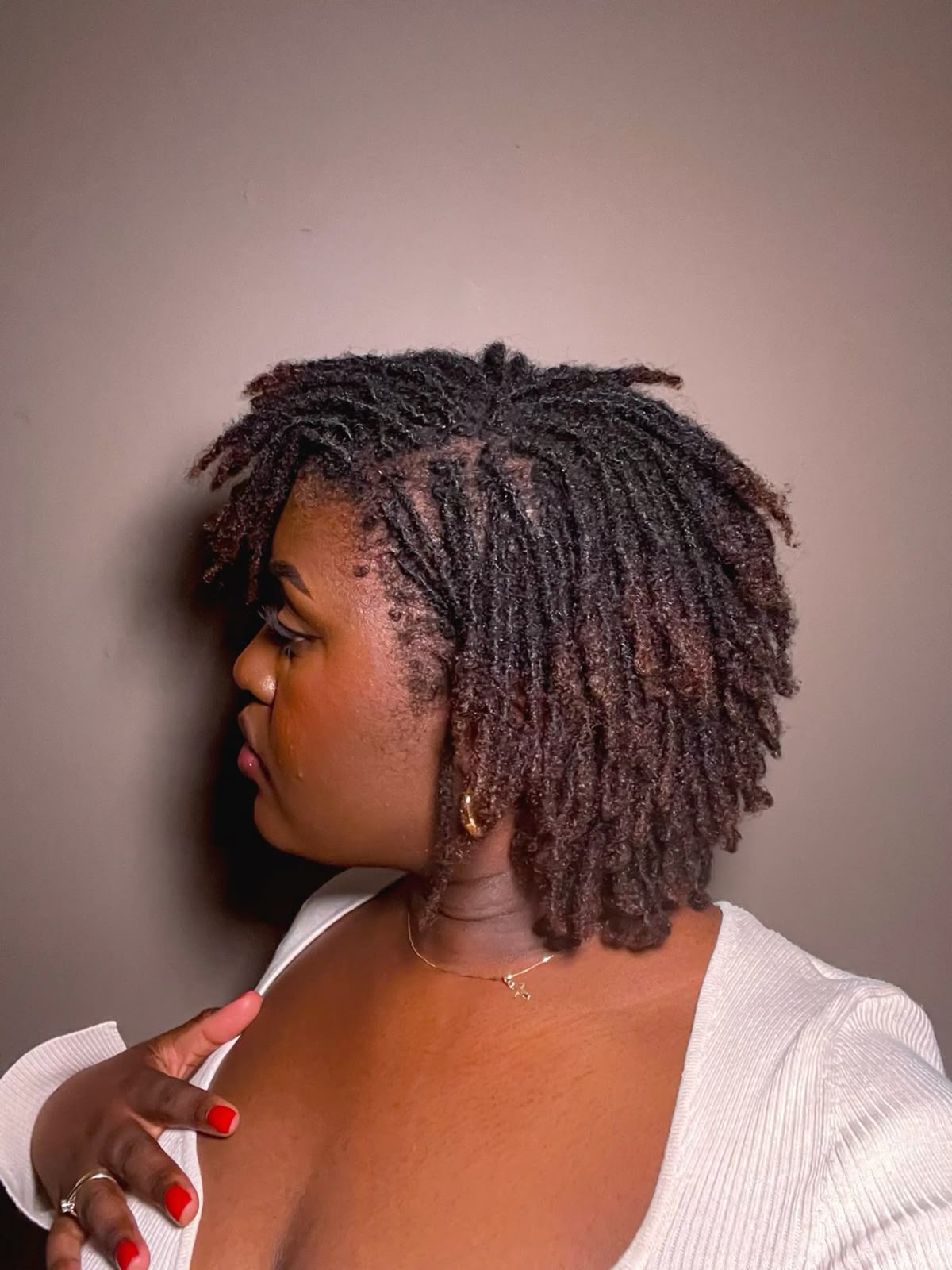
1. Do Not Retwist Too Often
One of the biggest mistakes people make is retwisting too frequently.
Your locs need time to grow and settle naturally. When you retwist too often, you interrupt this process and place constant stress on your roots.
Over time, this can lead to thinning, weak spots, and even permanent damage.
Instead of focusing on keeping your locs neat all the time, allow them to go through their natural phases. Slight frizz is normal and part of the journey.
2. Always Start With Clean Hair
Retwisting on dirty hair can trap sweat, oil, and product residue inside your locs.
This not only affects the appearance of your locs but can also lead to scalp irritation and buildup.
Washing your locs before retwisting ensures that your hair is clean and ready to be styled properly.
If you are unsure about how often to wash, check out how often you should wash your locs to maintain a healthy routine.
3. Keep Your Locs Moisturized
Moisture plays a huge role in preventing damage during retwisting.
Dry locs are more fragile and prone to breakage, especially when being manipulated.
Hydrated locs, on the other hand, are more flexible and easier to handle.
Adding moisture before retwisting helps reduce tension and makes the process smoother.
To build a proper hydration routine, read how to keep your locs moisturized naturally and avoid dryness.
4. Use Minimal and Lightweight Products
Using too many products can do more harm than good.
Heavy products can weigh your locs down and cause buildup, which affects both your scalp and hair health.
Instead, use a small amount of lightweight product to help hold the retwist without clogging your locs.
If buildup has been an issue for you, check out how to avoid product buildup in your locs for better results.
5. Do Not Retwist Too Tight
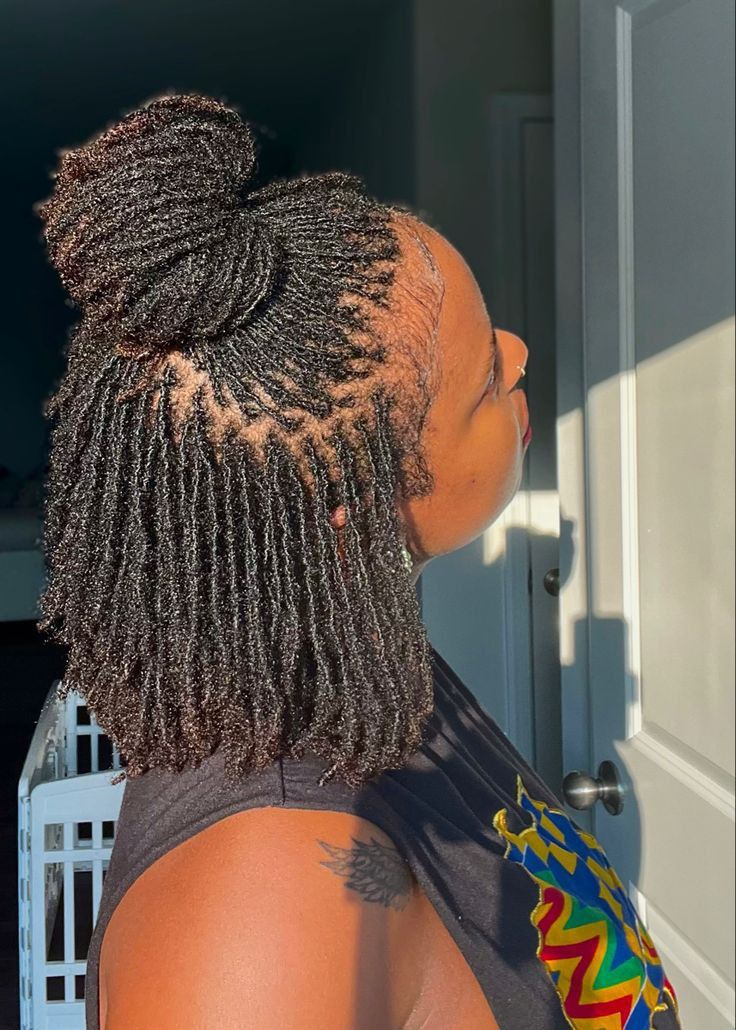
Tight retwisting may give a clean and polished look, but it comes at a cost.
Excessive tension can damage your roots, cause pain, and lead to thinning edges over time.
Your retwist should feel secure but comfortable. If your scalp feels sore or tender, it is a sign that the retwist is too tight.
Always prioritize the health of your hair over appearance.
6. Section Your Hair Properly
Proper sectioning helps ensure even tension across your scalp.
When sections are uneven, some locs may carry more tension than others, which can lead to breakage.
Taking your time to part your hair neatly will make your retwist more balanced and reduce stress on your scalp.
7. Be Gentle With Your Roots
Your roots are the most sensitive part of your locs.
Pulling, twisting, or handling them roughly can weaken the hair at the base.
Always use gentle movements when retwisting to protect your roots and maintain strength.
8. Do Not Combine Retwisting With Tight Styles
After retwisting, some people immediately style their hair tightly.
This adds even more tension to your scalp, increasing the risk of damage.
It is better to keep your locs in a loose style after retwisting to allow your scalp to rest.
9. Maintain a Healthy Scalp
Your scalp condition directly affects your loc health.
If your scalp is dry, irritated, or clogged, it can make retwisting uncomfortable and harmful.
Keeping your scalp clean and balanced will make the retwisting process much easier and safer.
10. Build a Consistent Routine
Consistency is key when it comes to healthy loc maintenance.
Random or inconsistent care can lead to dryness, buildup, and damage.
Creating a simple routine and sticking to it will help you maintain strong and healthy locs.
If you need help staying consistent, read daily loc care tips for beginners to build a routine that works.
11. Understand How Breakage Happens
Breakage is often the result of repeated stress over time.
Small habits like tight retwisting, dryness, and over-manipulation can gradually weaken your locs.
Being aware of these habits will help you avoid long-term damage.
To protect your locs, check out how to prevent breakage in new locs and build stronger habits.
Mistakes to Avoid When Retwisting Locs
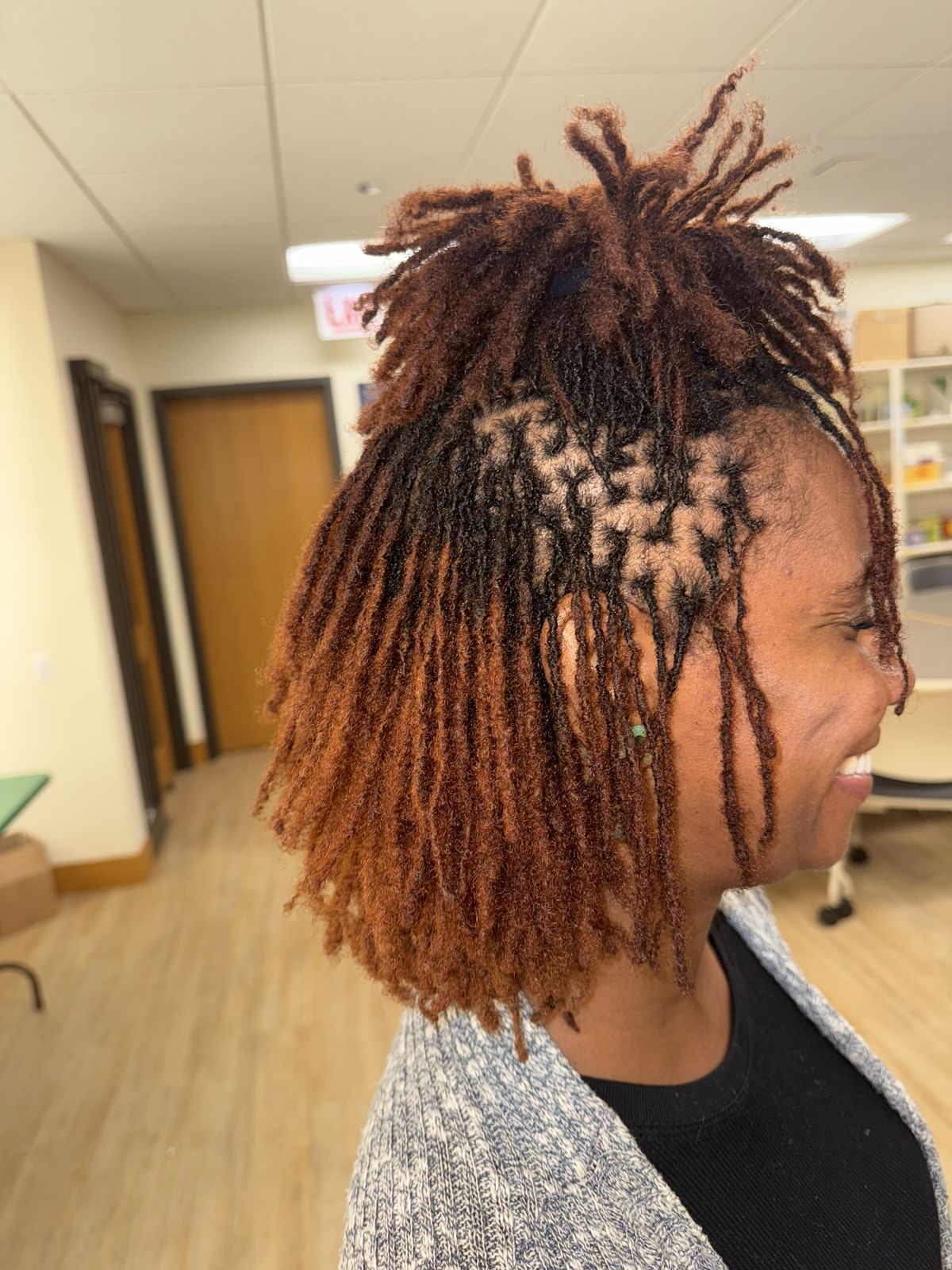
One major mistake is focusing too much on appearance. Neat locs are nice, but they should never come at the expense of your hair’s health.
Another mistake is copying routines without understanding your hair. What works for someone else may not work for you.
Using too many products is also a common issue. This can lead to buildup and make your locs harder to maintain.
Lastly, rushing the process can lead to uneven tension and damage. Taking your time ensures better results.
Final Thoughts
Retwisting your locs is an important part of your journey, but it should always be done with care. The goal is not just to make your locs look good but to keep them healthy and strong.
By using gentle techniques, avoiding excessive tension, and maintaining a simple routine, you can protect your locs from damage and support long-term growth.
Remember, your loc journey is a process. Neatness will come with time, but healthy locs require patience and consistency.
Focus on what your hair needs, stay consistent, and trust the process. Your locs will reward you with strength, growth, and beauty over time.
Leave a Reply