Starting locs is more than just a hairstyle choice. For many people, it represents a commitment to embracing natural hair, patience, and a long-term hair journey. Locs evolve over time, transforming from loose starter coils, braids, or twists into fully matured locs that reflect both personal style and hair health. Because of this gradual transformation, the early stage of the journey is one of the most important.
The starter loc phase can feel exciting but also confusing, especially for beginners who are not sure what to expect. During this stage, your hair is learning to lock and form its structure. It may look frizzy, unravel at the ends, or appear uneven. These changes are completely normal, but many people mistake them for problems and begin making adjustments that can actually slow down the locking process.
One of the biggest challenges beginners face is information overload. With so many tutorials, social media tips, and hair routines circulating online, it can be difficult to know which advice truly supports healthy loc growth. Some recommendations work well for certain hair types, while others can cause buildup, breakage, or thinning if applied incorrectly.
Understanding the basics of starter loc care can make the process much easier. If you’re just beginning your journey, you may also want to read How to Maintain Starter Locs in the First Month, which explains the essential steps for keeping your locs healthy during the most delicate stage.
In this guide, we will explore 10 common starter loc mistakes that can ruin your loc journey. These are mistakes many beginners make without realizing the long-term effects. By avoiding them early, you can set the foundation for healthier, stronger locs that will thrive as they grow and mature.
10 common starter loc mistakes you should know
1. Choosing the Wrong Type of Starter Locs
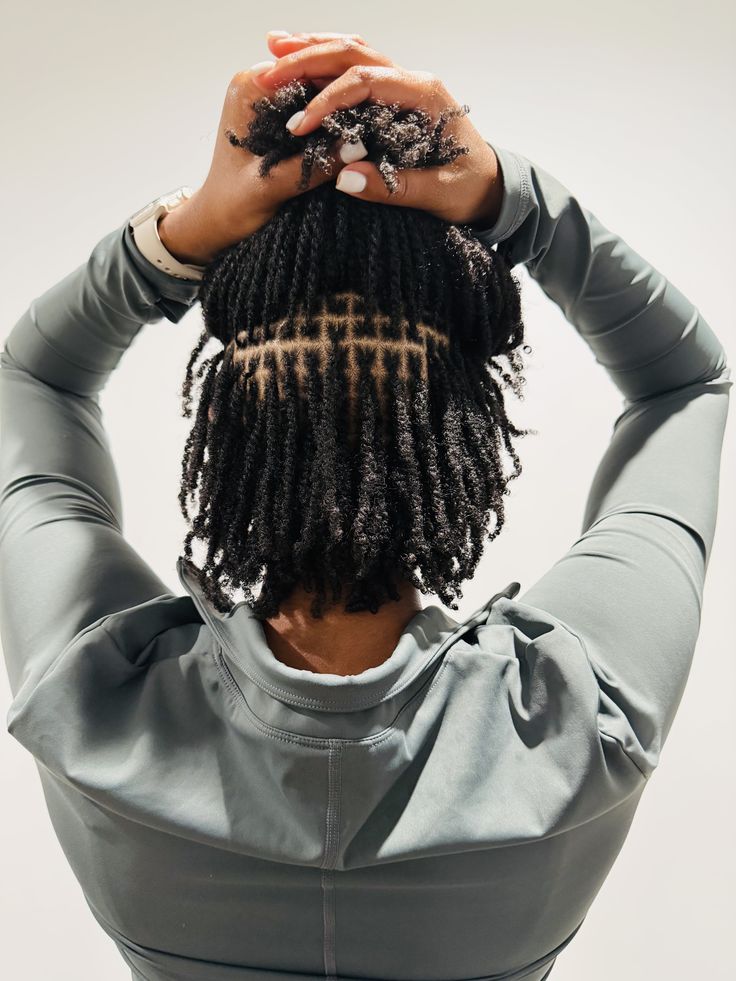
One of the first mistakes beginners make is choosing the wrong type of starter locs. Many people rush this decision because they are excited to start their loc journey. However, not every loc method works well for every hair type.
Starter locs can be created using comb coils, two-strand twists, braids, or interlocking. Each method affects how your locs form and how quickly they begin to lock. Some methods may unravel easily, while others hold better during the early stages.
Loc size also matters. Some people prefer traditional locs, while others choose microlocs or smaller loc styles. Smaller locs can look fuller, but they usually require more maintenance.
The mistake happens when people choose a style just because it looks good on someone else. Hair texture, lifestyle, and maintenance routine should always be considered before starting locs.
Before beginning your journey, take time to research the different options. You can also read Twist, Comb Coil, Interlock: Which Loc Method Should You Choose? to understand which loc type may work best for you.
2. Retwisting Your Locs Too Often
Many beginners believe frequent retwisting will make their locs look neat and grow faster. In reality, retwisting too often can damage your hair. Constant tension on the roots can lead to thinning and breakage over time.
Starter locs need time to form naturally. Retwisting too frequently interrupts the locking process and weakens the hair at the root.
Most locticians recommend retwisting every 4 to 6 weeks during the early stages. This schedule helps maintain your parts while allowing the locs to develop properly.
Check this guide out: How to Prepare Your Hair Before Starting Locs
3. Using Too Many Hair Products
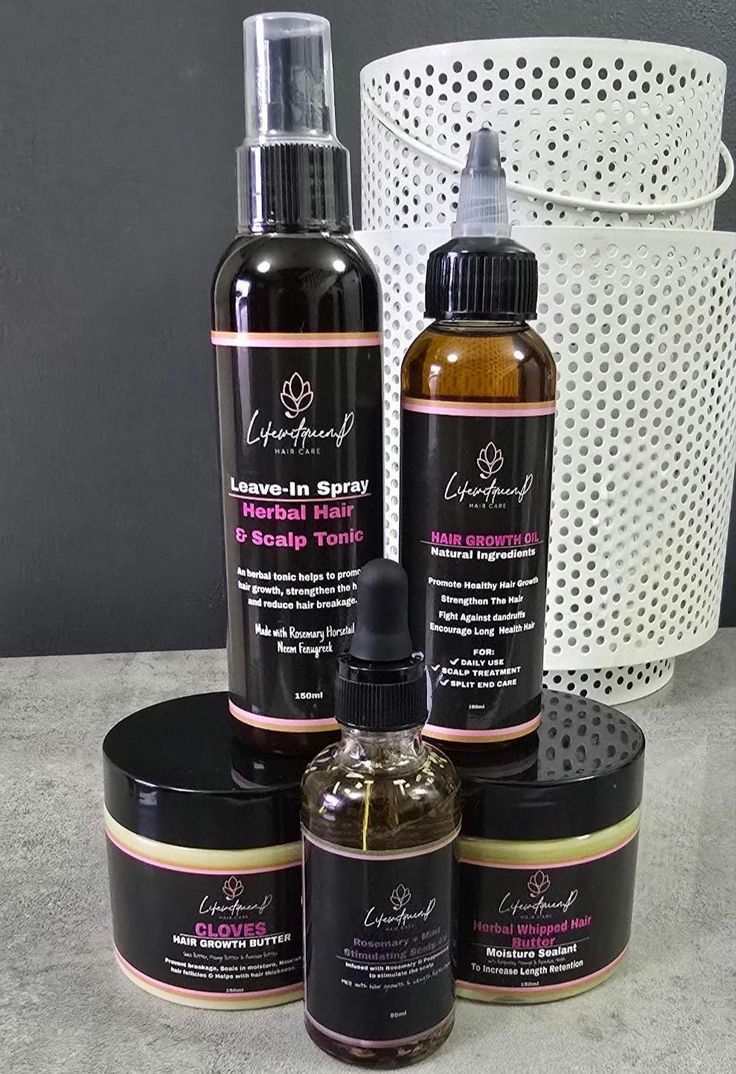
Another common mistake is using too many products on starter locs. Many beginners apply heavy creams, waxes, and gels hoping to make their locs look smoother.
Unfortunately, thick products often cause buildup inside the locs. This buildup can attract lint, create an unpleasant smell, and make locs appear dull.
Starter locs do best with a simple routine. Water, light oils, and a residue-free shampoo are usually enough to keep your hair healthy.
Bookmark this: What to Know Before Your First Loc Appointment
4. Washing Your Locs the Wrong Way
Some people avoid washing their starter locs because they fear unraveling. Others wash too frequently. Both habits can create problems during the early stage.
Not washing your hair can lead to product buildup, dandruff, and an itchy scalp. Washing too often may cause coils or twists to loosen.
A balanced routine works best. Washing your locs every 2 to 3 weeks helps keep your scalp clean while allowing your locs to form properly.
pin this: How to Choose the Right Starter Method for Your Hair Type
5. Constantly Touching or Playing With Your Locs
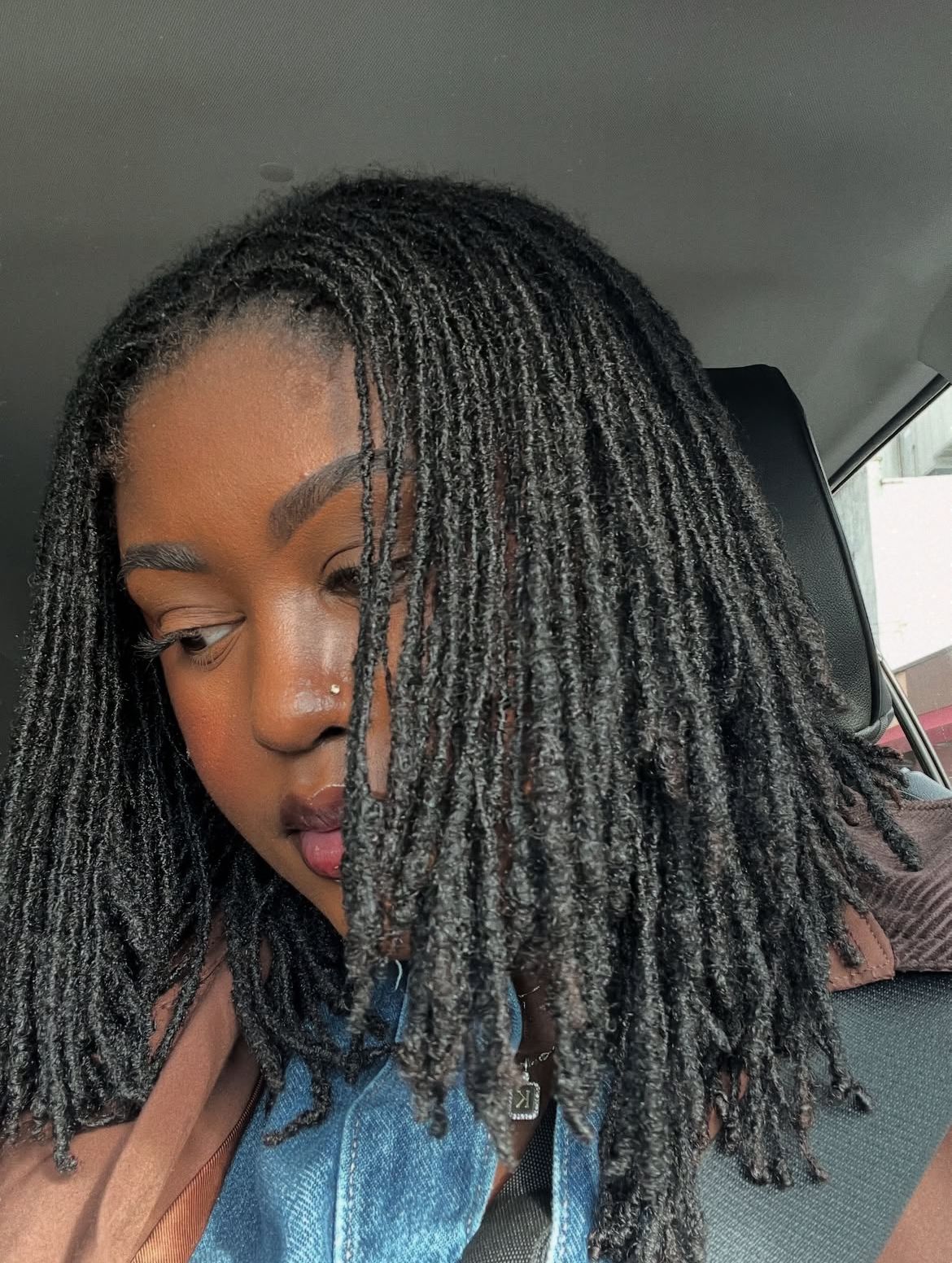
It can be tempting to touch your starter locs all the time, especially when they are new. However, frequent manipulation can slow down the locking process.
Twisting, pulling, or constantly restyling your locs can cause frizz and weaken the strands. Over time, this may even lead to breakage.
Try to leave your locs alone as much as possible. The less you manipulate them, the better they will form and mature.
Save this: Freeform Locs vs. Starter Locs: Pros and Cons
6. Expecting Your Locs to Form Too Quickly
Many beginners expect their locs to mature within a few weeks. In reality, the locking process takes time. Depending on your hair texture and the method used, locs can take several months to over a year to fully mature.
During the early stages, your locs may look frizzy, puffy, or uneven. This stage is completely normal and part of the natural locking process. Trying to rush the journey with excessive retwisting or heavy products can actually slow things down.
Patience is one of the most important parts of having healthy locs. Trust the process and allow your hair to lock naturally over time.
This might be helpful: How to Decide If Locs Are Right for You
7. Skipping Scalp Care
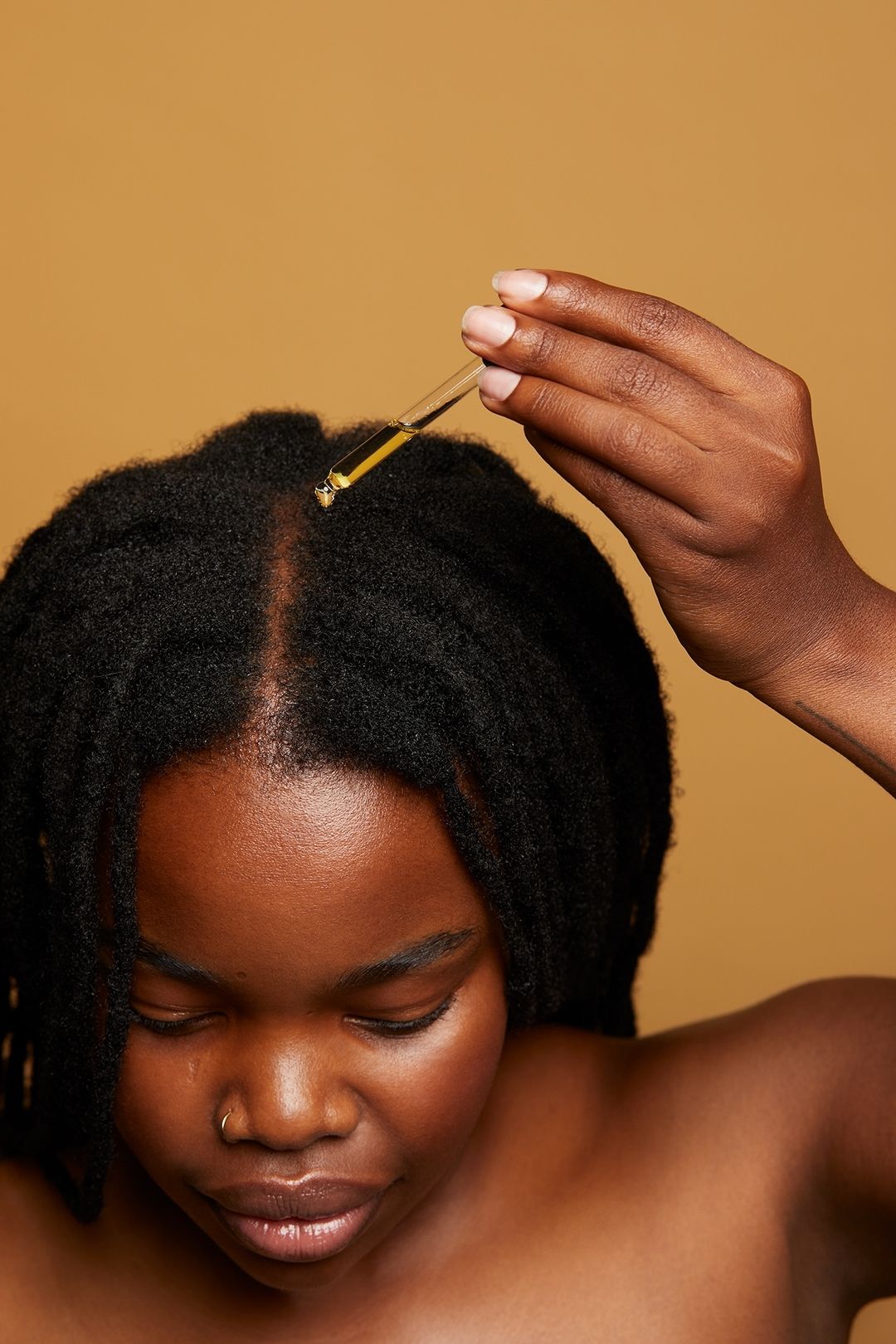
Healthy locs start with a healthy scalp. Many beginners focus only on the locs themselves and forget about scalp care.
An unhealthy scalp can lead to dryness, itching, dandruff, and even hair loss. These problems can affect the strength and growth of your locs.
Keep your scalp moisturized with light oils and make sure you wash your hair regularly. Gentle scalp massages can also help improve blood circulation and support healthy hair growth.
You will love this: Loc-Friendly Haircuts to Try Before Starting
8. Sleeping Without Protecting Your Locs
Another common mistake is going to bed without protecting your locs. Cotton pillowcases can absorb moisture from your hair and cause friction while you sleep.
This friction can lead to dryness, frizz, and lint getting trapped inside your locs. Over time, it may also weaken the hair strands.
Protect your locs by sleeping with a satin or silk bonnet, scarf, or pillowcase. This simple habit helps maintain moisture and keeps your locs looking neat.
9. Comparing Your Loc Journey to Others
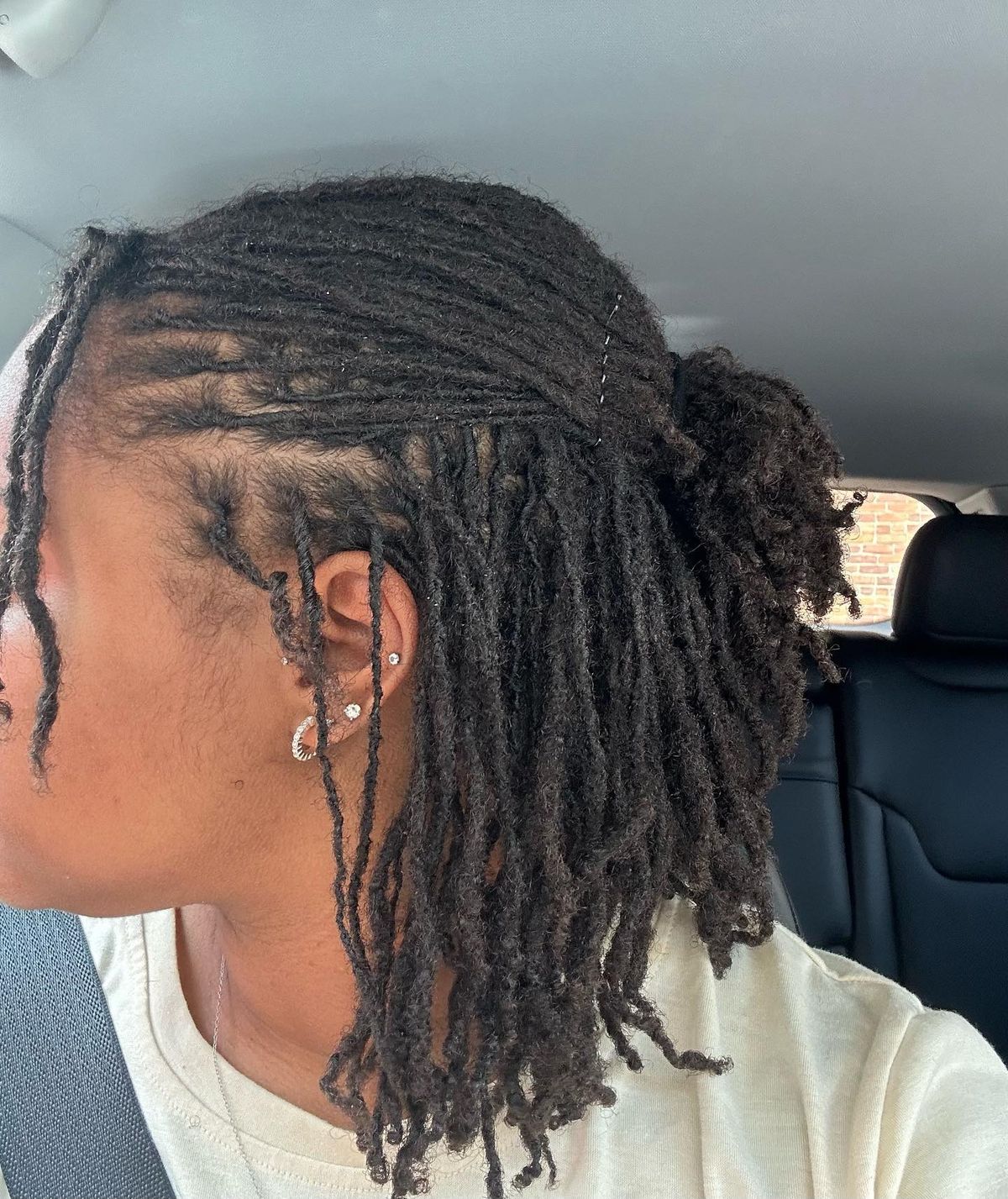
Every loc journey is different. Hair texture, density, and maintenance routines all affect how locs form and grow.
Many beginners compare their locs to photos they see online and become discouraged when their hair looks different. This can lead to unnecessary changes in routine that may harm the locs.
Instead of comparing your progress to others, focus on maintaining healthy hair habits. Your locs will develop in their own unique way.
Bookmark this: Micro Locs vs Sisterlocks vs Traditional Locs: Which Should You Choose?
10. Not Being Patient With the Process
Patience is the foundation of a successful loc journey. Starter locs go through several stages before they fully mature, and each stage has its own appearance and challenges.
There will be days when your locs look messy, frizzy, or uneven. This is a normal part of the process. Trying to fix every small change can lead to over-manipulation and damage.
The best thing you can do is stay consistent with your routine and allow time to do its work. With proper care and patience, your locs will grow stronger, healthier, and more defined over time.
Final Thoughts
Starting locs is an exciting and rewarding journey, but the early stages require patience, knowledge, and the right care routine. Many of the challenges beginners face come from simple mistakes that can easily be avoided with the right information.
From choosing the right starter method to avoiding excessive retwisting and product buildup, every small decision you make can affect how your locs develop over time. Healthy locs are built through consistency, gentle care, and allowing your hair to lock naturally.
It’s also important to remember that no two loc journeys are exactly the same. Your hair texture, lifestyle, and routine will all influence how your locs grow and mature. Instead of trying to rush the process or compare your progress to others, focus on maintaining healthy habits that support your hair.
With patience and proper care, your starter locs will gradually transform into strong, beautiful, and fully matured locs. Avoiding these common mistakes will help you build a solid foundation and enjoy a smoother, more successful loc journey.
Leave a Reply