Starting locs can be one of the most exciting decisions you make on your natural hair journey. For many people, locs represent freedom, self-expression, and a commitment to embracing their natural hair texture. However, beginning the loc journey can also feel overwhelming if you’re not sure where to start.
There are many questions that usually come up for beginners:
How do you start locs?
Which method is best?
What should you expect in the early stages?
And how do you properly take care of your locs so they grow healthy and strong?
Before starting your loc journey, it’s also important to be sure that this hairstyle truly aligns with your lifestyle and long-term hair goals. If you’re still unsure, you may want to read our guide on how to decide if locs are right for you, which explains the key things to consider before committing to locs.
Once you’ve decided that locs are the right path for you, the next step is learning how to start them properly and how to care for them as they grow and mature.
This beginner’s guide will walk you through everything you need to know about starting locs, from choosing a starter method to maintaining healthy locs during the early stages of your journey.
What Are Locs?
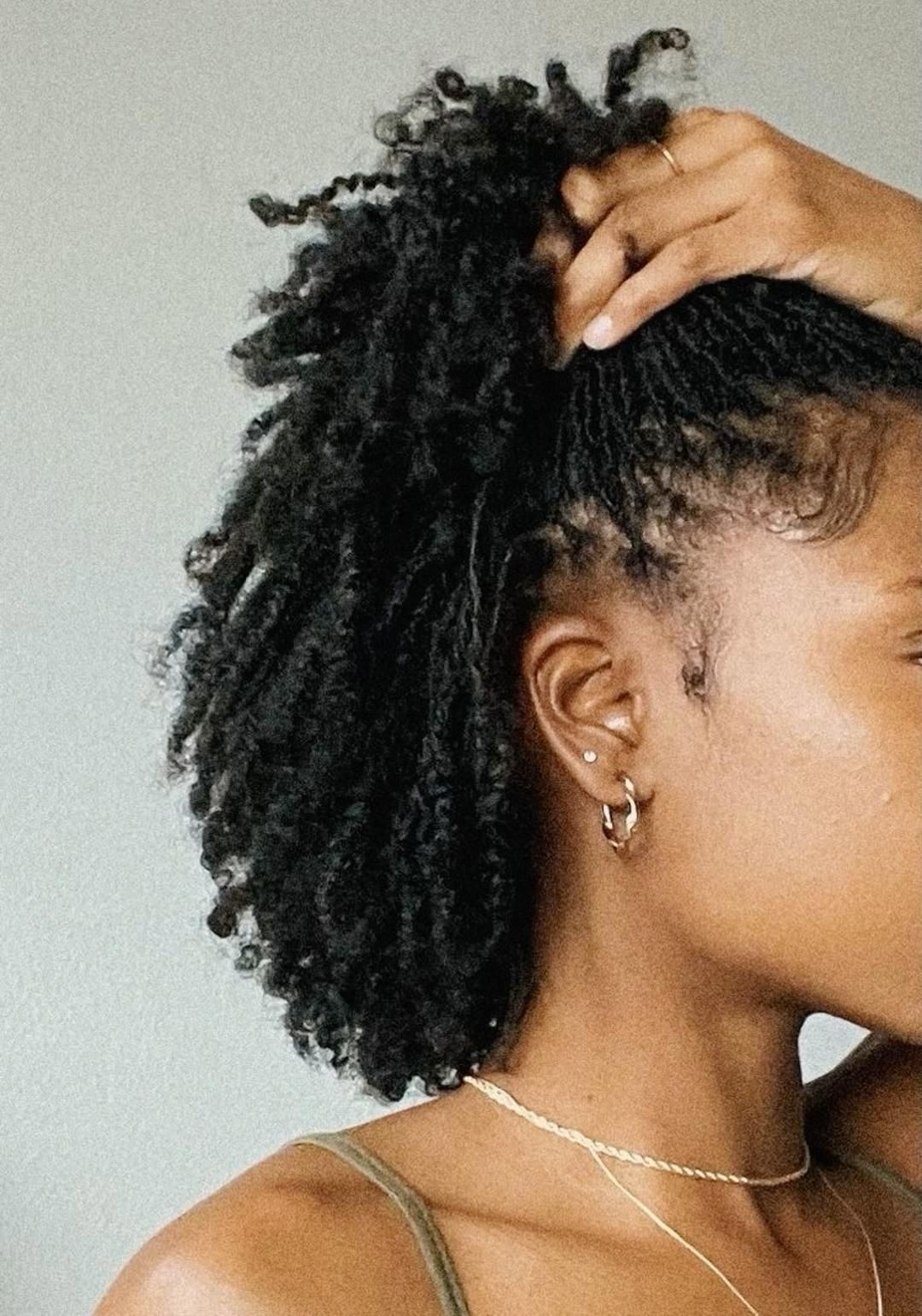
Locs are formed when strands of hair naturally mat and lock together over time, creating rope-like sections of hair. This process happens gradually as the hair coils and intertwines with itself.
Unlike many hairstyles that require constant manipulation, locs are considered a low-manipulation hairstyle. Once your locs mature, they can be easier to maintain compared to constantly styling loose natural hair.
However, the process of forming locs takes time. Your hair must go through several stages before it fully locks and becomes mature.
Understanding this process ahead of time can help you start your loc journey with realistic expectations and patience.
Bookmark this: Twist, Comb Coil, Interlock: Which Loc Method Should You Choose?
Why Many People Choose to Start Locs
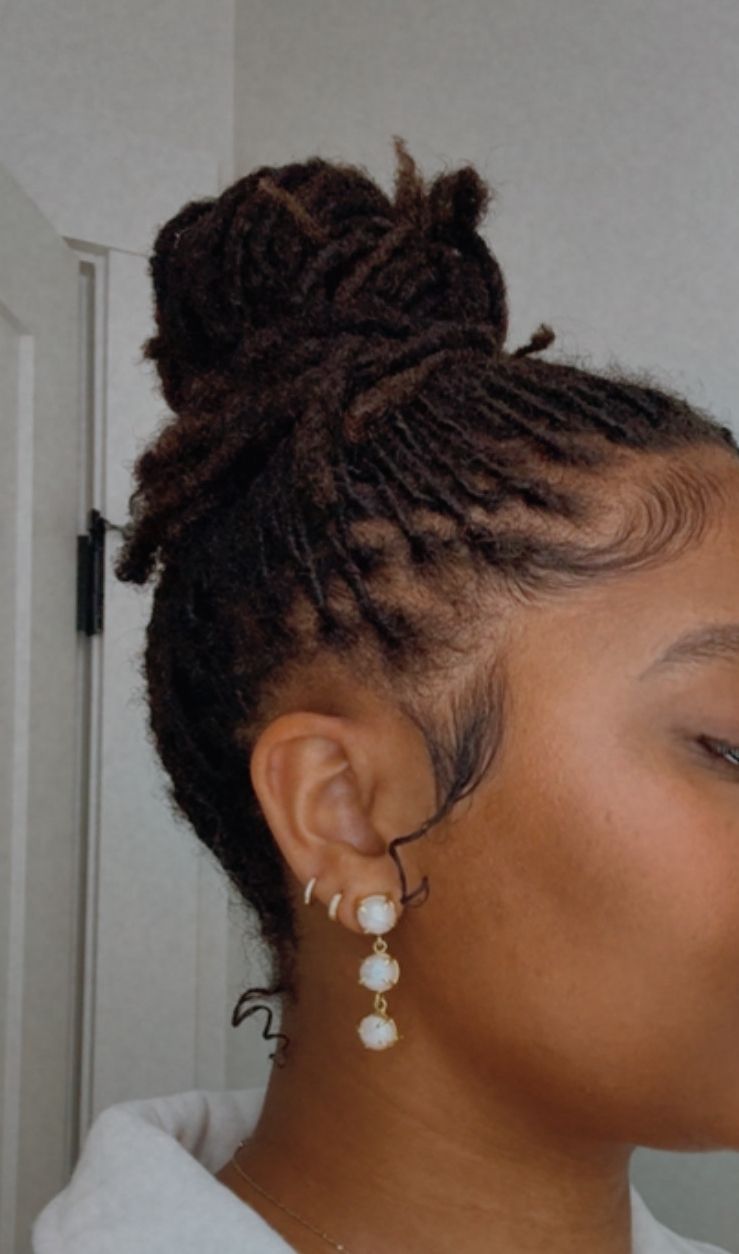
People begin their loc journeys for many different reasons. While the aesthetic appeal of locs is certainly one factor, many people also appreciate the practical and personal benefits that come with this hairstyle.
Some common reasons people choose locs include:
-
Embracing Natural Hair
Locs allow your natural hair texture to thrive without constant manipulation or heat styling. For people who want to fully embrace their natural curls or coils, locs can feel incredibly empowering.
-
Low Daily Styling
Once locs mature, you typically don’t need to style your hair every day. Many people appreciate the simplicity of waking up and not needing to spend a long time styling their hair.
-
Hair Growth and Length Retention
Because locs reduce manipulation, they can help some people retain length over time. When hair is constantly combed, brushed, or styled, it may experience breakage. Locs minimize this daily handling.
-
Personal and Cultural Meaning
For some individuals, locs carry cultural, spiritual, or personal significance. Wearing locs can feel like a way of reconnecting with heritage or expressing individuality.
-
Versatility
Despite what some people assume, locs can actually be styled in many different ways. From buns and ponytails to braided loc styles and updos, mature locs offer plenty of styling options.
Different Methods for Starting Locs
One of the first decisions you’ll need to make is how you want to start your locs. There are several different starter methods, and each one has its own advantages depending on your hair type and preferences.
Here are some of the most common ways beginners start locs.
-
Comb Coils (Starter Coils)
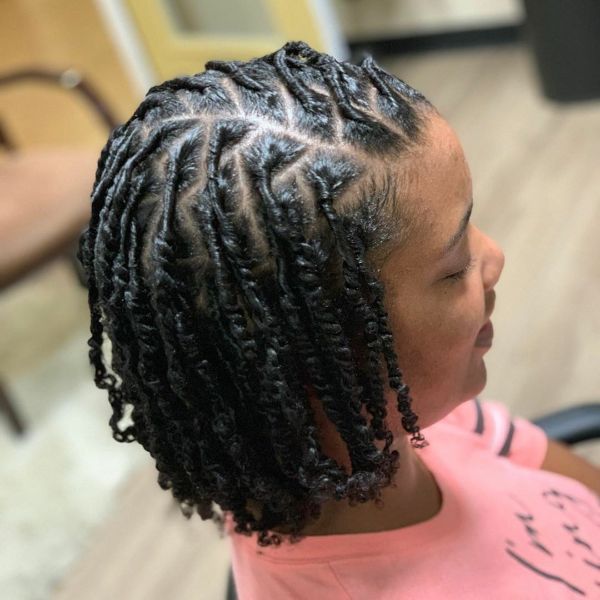
Comb coils are one of the most popular methods used to start locs, especially for people with tightly coiled or kinky hair textures.
This method involves taking small sections of hair and twisting them with a comb to create tight spiral coils. These coils eventually begin to mat and lock together as your hair goes through the early stages of the loc process.
Many professional locticians recommend this method because it creates very neat and uniform parts, which helps your locs develop evenly over time.
One of the biggest advantages of comb coils is the level of control they provide. Because the hair is sectioned carefully, you can determine the exact size and placement of each loc.
However, there are also a few things beginners should know before choosing this method.
Comb coils can sometimes unravel during the first few weeks, especially after washing your hair or if your hair texture is softer. Because of this, many people need regular retwists during the early stages to help the locs maintain their shape.
Despite this, comb coils are still widely considered one of the best starter methods for beginners because they provide a clean and structured starting point for the loc journey.
-
Two-Strand Twist Starter Locs
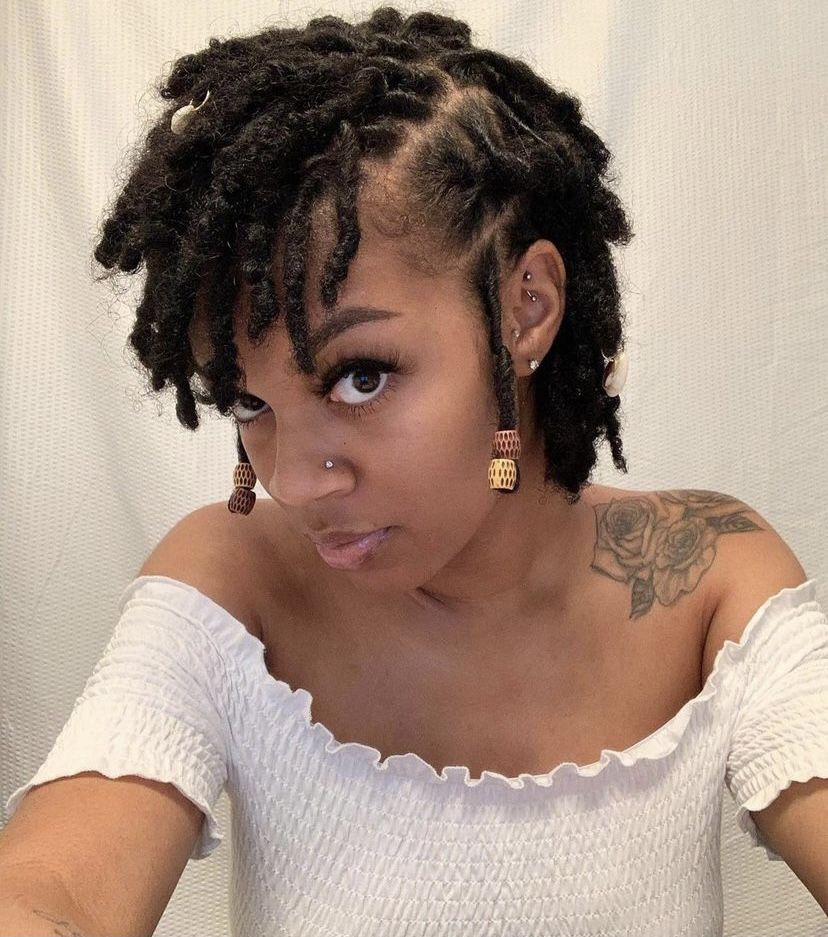
Two-strand twists are another extremely common way to start locs. This method involves dividing the hair into sections and twisting two strands of hair around each other.
Over time, the strands begin to mat together and form locs.
Many beginners prefer this method because it tends to create a fuller appearance in the early stages compared to comb coils. Instead of tight coils, the twists create a rope-like shape that gradually becomes locs.
Another advantage of two-strand twists is that they tend to unravel less easily than comb coils. This makes them a good option for people who want a slightly more durable starter style.
However, one thing to keep in mind is that some locs started with two-strand twists may show a visible twist pattern for a while before the locs fully mature. Over time, this pattern usually fades as the hair continues to lock.
Many people enjoy starting locs with two-strand twists because they look good even during the early stages of the loc journey.
-
Braids or Plaits
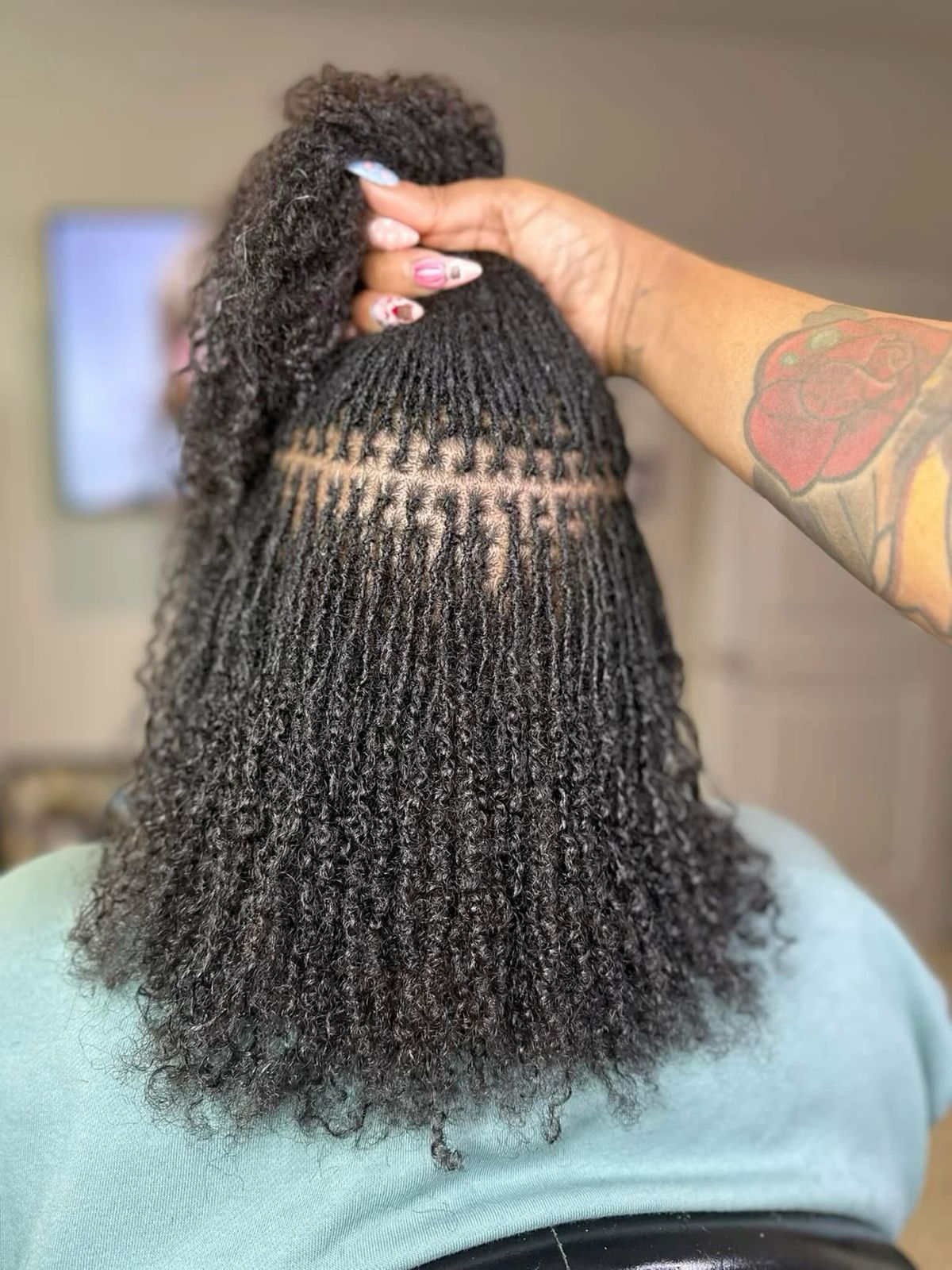
Braids, also known as plaits, are another method used to start locs.
With this technique, the hair is braided into individual sections, and those braids gradually begin locking together as the hair matures.
This method is sometimes recommended for individuals with softer hair textures or looser curl patterns, because braids tend to stay secure and maintain their structure longer than some other starter styles.
Braided starter locs are also less likely to unravel compared to comb coils or twists. This can be especially helpful for beginners who want a style that will hold up well during washing or physical activities.
However, braided starter locs may keep a visible braid pattern near the ends of the locs for a long time before they fully mature. For some people, this pattern eventually disappears, while for others it may remain part of the loc’s texture.
Even with this possibility, braided starter locs are still a great option for people who want a stable and long-lasting foundation for their loc journey.
-
Interlocking
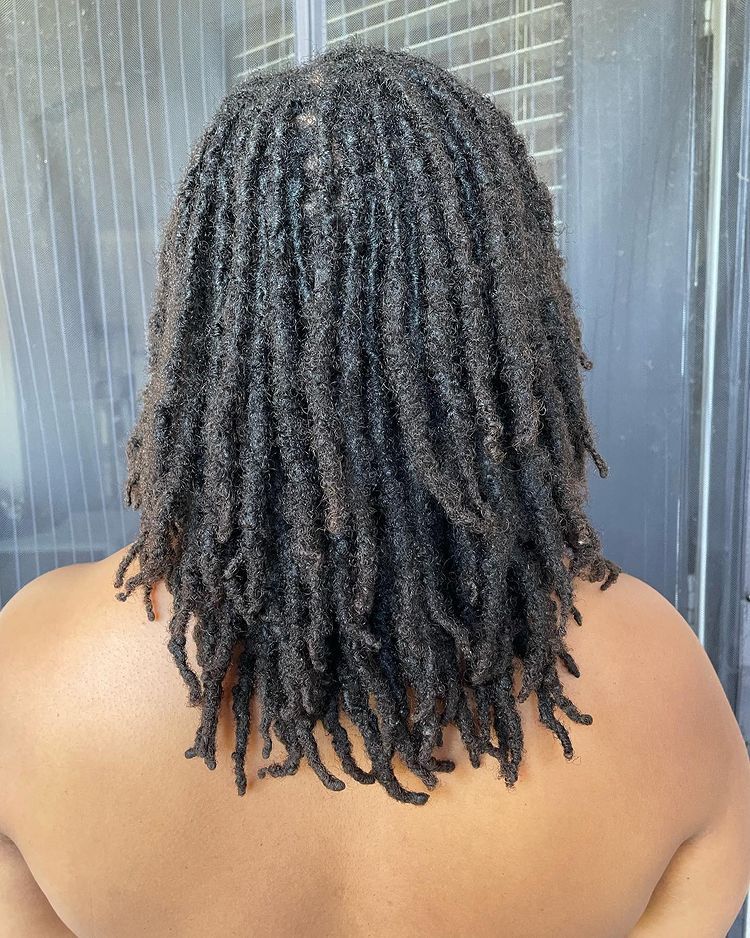
Interlocking is a technique that can be used both to start locs and to maintain them.
This method involves pulling the end of the hair through the base of the section using a specific pattern. This creates a knot-like structure that secures the loc at the root.
Interlocking can be a good option for individuals who want a method that holds the roots firmly in place for longer periods of time.
One of the biggest advantages of interlocking is that it tends to reduce unraveling, which can be especially helpful for people with looser curl patterns or very soft hair textures.
Because the hair is pulled through itself to tighten the base, the locs often stay neat for longer compared to traditional retwisting methods.
However, interlocking should be done carefully and correctly. If done too tightly or too frequently, it can place tension on the scalp and lead to thinning at the roots.
For this reason, many beginners choose to have interlocking done by an experienced loctician, at least until they learn the proper technique.
You should check this out: Freeform Locs vs. Starter Locs: Pros and Cons
-
Freeform Locs
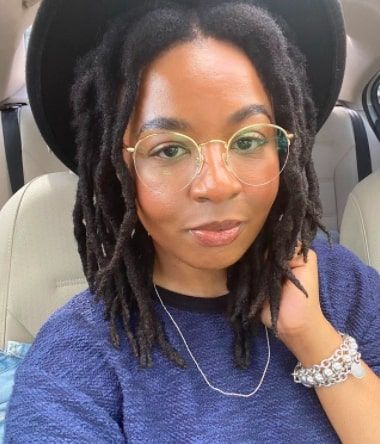
Freeform locs are one of the most natural ways to begin the loc journey.
Instead of creating defined sections or starter styles, freeform locs allow the hair to naturally lock on its own over time with minimal manipulation.
With this method, the hair is usually washed and separated occasionally to prevent it from forming one large mat, but otherwise the hair is left to develop organically.
Freeform locs often result in locs of different sizes and shapes, creating a very natural and unique appearance.
Many people are drawn to freeform locs because they represent a completely natural hair journey without strict styling or maintenance routines.
However, freeform locs require a certain level of patience and acceptance of unpredictability. Because the locs form naturally, you will not have the same level of control over size or parting.
For individuals who appreciate a natural, organic look and minimal manipulation, freeform locs can be a deeply rewarding option.
-
Instant Locs
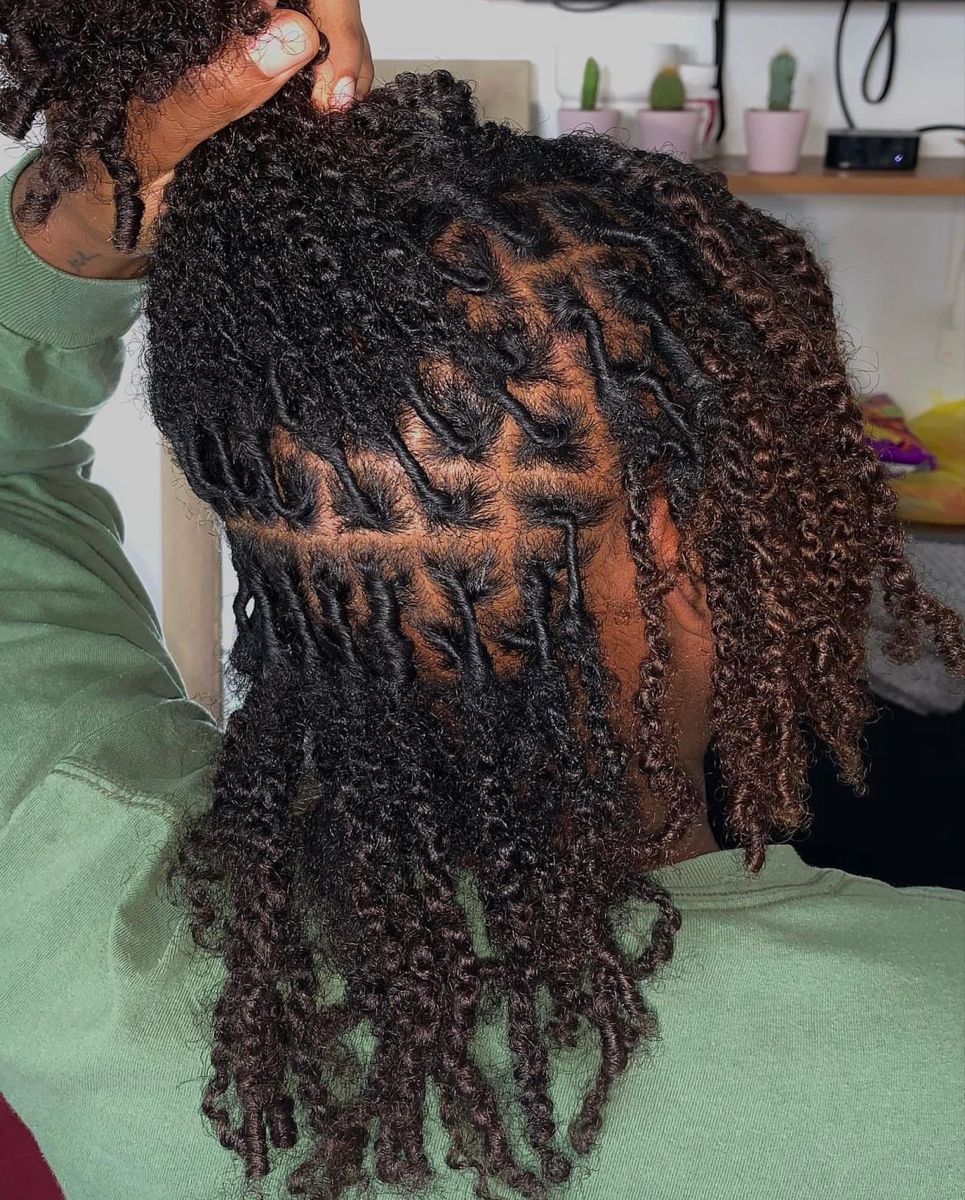
Instant locs are created using a crochet tool. The tool knots the hair together to form locs right away. Unlike other starter methods, you do not need to wait months for the hair to begin locking.
Many people choose instant locs because they want the loc look immediately. This method also reduces the chances of unraveling during the early stages.
Instant locs can also work well for people with looser curl patterns. Some hair textures take longer to lock naturally, so the crochet method can speed up the process.
However, it’s important that instant locs are done carefully. If the crochet tool is used too aggressively, it can damage the hair strands.
Because of this, many beginners prefer to have instant locs installed by a professional loctician.
When done correctly, instant locs can give you the appearance of mature locs while your hair continues to develop and strengthen over time.
Choosing the Best Method for Your Hair
With so many starter methods available, beginners can sometimes feel confused about which option to choose.
The truth is that there is no single method that works best for everyone. Each technique has its own advantages depending on your hair type and personal preferences.
Some methods create a neater look at the beginning, while others produce a fuller or more natural appearance.
When choosing a starter method, it helps to think about a few important factors.
For example, consider your natural hair texture. Tightly coiled hair may lock faster with methods like comb coils or twists. Softer textures may benefit from braids or interlocking.
You should also think about the size of locs you want. Smaller parts create thinner locs, while larger parts create thicker locs.
Another factor is maintenance. Some methods require more frequent retwisting or upkeep during the early stages.
If you’re unsure which option to choose, it can be helpful to consult a professional loctician. An experienced loctician can examine your hair and recommend a method that will work best for your hair type and goals.
Most importantly, remember that every loc journey is unique. The method you start with is simply the first step in a long process of growth and transformation.
Over time, your locs will develop their own shape, texture, and character.
You will love this: How to Choose the Right Starter Method for Your Hair Type
The Stages of Loc Development
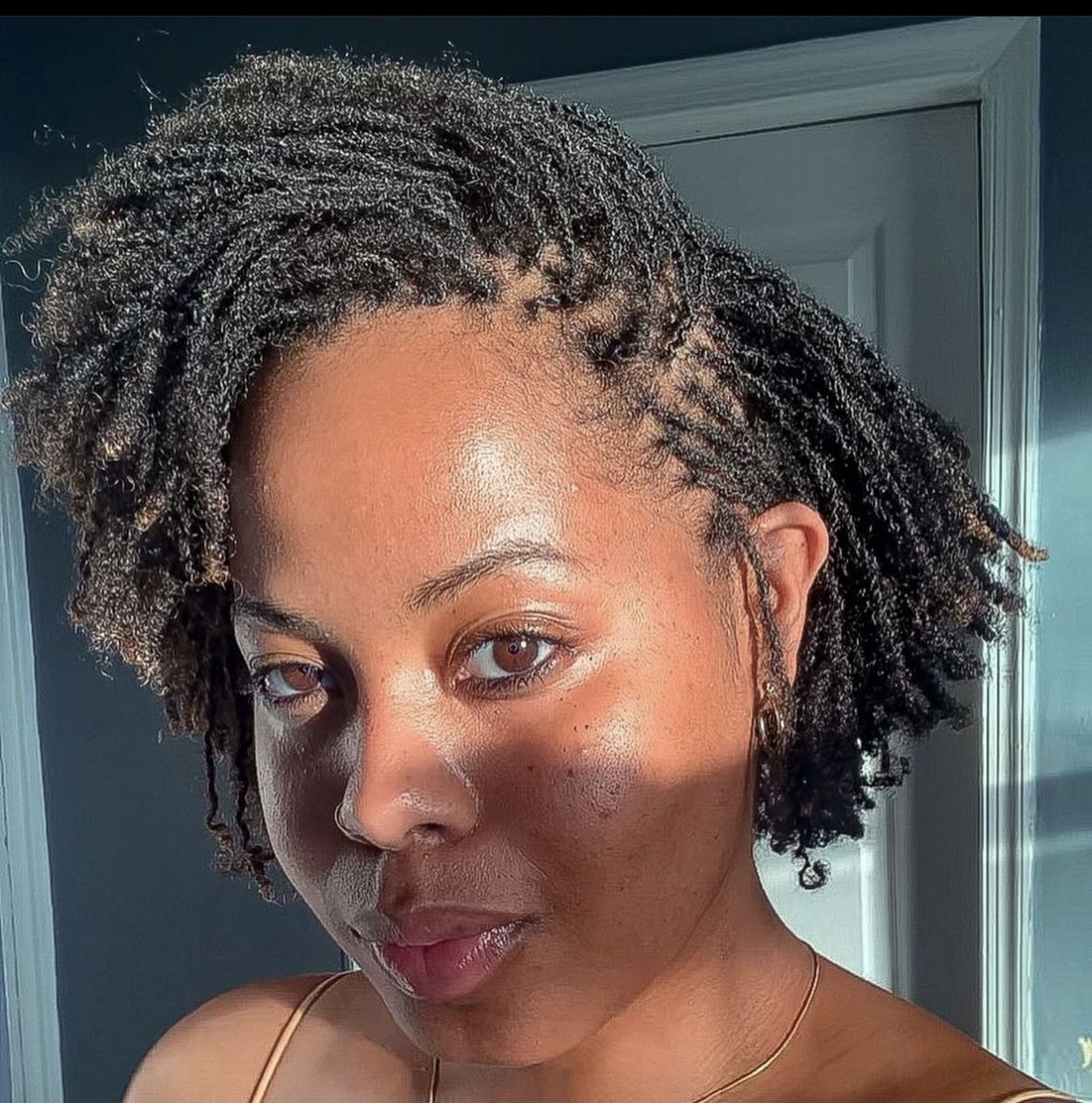
Every loc journey goes through several stages. Knowing what to expect at each phase helps you stay patient, motivated, and confident as your hair transforms. Remember, locs do not form overnight, they evolve over months and years, and each stage is a vital part of the process.
1. Starter Stage
The starter stage begins immediately after your locs are installed. Depending on your chosen method (twists, coils, braids, interlocking, or instant locs), your hair will look neat and structured, but the locs are not fully locked yet.
During this stage, your hair may:
-
Unravel slightly, especially after washing
-
Appear frizzy or fuzzy
-
Feel soft and flexible rather than firm
Tips for the starter stage:
-
Wash your hair gently to avoid undoing your sections
-
Moisturize your scalp and locs to prevent dryness
-
Be patient, this is temporary and part of the natural process
This stage typically lasts 2–6 weeks, depending on your hair type and maintenance routine.
2. Budding Stage
The budding stage is the first visible sign that your hair is starting to lock. Small knots and bumps, called “buds,” begin forming inside each section. Your hair starts to mat naturally, and the locs take on more structure.
During this stage, your hair may:
-
Look thicker or puffier in some areas
-
Have uneven shapes or sizes as the locs form
-
Continue to shrink due to natural curl patterns
Tips for the budding stage:
-
Avoid excessive manipulation, which can undo budding locs
-
Continue moisturizing to maintain healthy hair
-
Keep up with gentle retwisting or interlocking if needed
The budding stage usually lasts 2–4 months, and some locs may take longer depending on hair texture.
3. Teen Stage
The teen stage is often the most challenging phase for beginners. At this point, the locs have begun forming but are still not fully mature. They may look frizzy, uneven, or unpredictable.
Many beginners feel frustrated at this stage because their hair does not yet resemble mature locs. This is completely normal.
During this stage, your hair may:
-
Continue shrinking as it locks
-
Have a fuzzy or frizzy appearance around the roots
-
Vary in firmness from loc to loc
Tips for the teen stage:
-
Accept the process, every loc will mature at its own pace
-
Avoid comparing your progress to others’ locs on social media
-
Maintain regular but gentle care, including washing, moisturizing, and minimal manipulation
The teen stage generally lasts 6–12 months, depending on your hair type and care routine.
4. Mature Locs
The mature stage is when your locs are fully formed, firm, and consistent in size and shape. At this point, your hair requires less frequent maintenance, though regular care is still essential to keep locs healthy and strong.
During this stage, your hair may:
-
Feel firm to the touch
-
Hold styles more easily
-
Have minimal unraveling
Tips for mature locs:
-
Maintain regular washing to keep your scalp clean
-
Moisturize your locs to prevent dryness and breakage
-
Style your locs in creative ways, such as buns, updos, or braided loc styles
Mature locs can take anywhere from 12 months to several years to fully develop, depending on your hair texture and how often you maintain them.
4. Mature Locs
The mature stage is when your locs are fully formed, firm, and consistent in size and shape. At this point, your hair requires less frequent maintenance, though regular care is still essential to keep locs healthy and strong.
During this stage, your hair may:
-
Feel firm to the touch
-
Hold styles more easily
-
Have minimal unraveling
Tips for mature locs:
-
Maintain regular washing to keep your scalp clean
-
Moisturize your locs to prevent dryness and breakage
-
Style your locs in creative ways, such as buns, updos, or braided loc styles
Mature locs can take anywhere from 12 months to several years to fully develop, depending on your hair texture and how often you maintain them.
5. Transitioning From Teen to Mature Locs
The transition from teen locs to mature locs can feel subtle, but it’s a critical phase. During this time, locs tighten and solidify, and frizz begins to decrease naturally.
Some people notice that:
-
Locs start to look more uniform in shape
-
The locs feel denser and less fuzzy
-
Growth becomes more noticeable
Tips for this transition stage:
-
Keep your hair clean and moisturized
-
Avoid excessive styling or manipulation
-
Be patient, the final look will emerge gradually
6. Loc Growth and Longevity
Once your locs are mature, they continue to grow and evolve with you. Healthy locs can grow several inches per year, depending on your hair’s natural growth rate. Over time, you’ll notice that locs become personalized, each loc has its own unique pattern, thickness, and character.
Tips for maintaining growth:
-
Protect your locs at night with a silk or satin scarf
-
Trim or repair locs only when necessary to prevent breakage
-
Keep up with occasional maintenance or professional retwisting
Mature locs can last a lifetime if cared for properly, making them both a hairstyle and a journey of self-expression.
7. Common Challenges During Loc Development
While the stages of loc growth are exciting, beginners may experience challenges along the way. These include:
-
Shrinkage: Locs often appear shorter than they actually are
-
Frizz: Especially during the teen stage
-
Uneven locs: Some locs may mature faster than others
-
Breakage: Caused by tension, dryness, or improper care
How to overcome these challenges:
-
Moisturize regularly with light oils or water-based sprays
-
Avoid heavy products that cause buildup
-
Be patient unevenness often resolves naturally over time
-
Consult a loctician for repairs or advice if needed
8. Embracing the Loc Journey
Perhaps the most important part of loc development is mindset. Locs are more than a hairstyle, they are a journey that grows with you.
Here are a few tips to embrace the process:
-
Celebrate every stage of your loc journey
-
Take photos to track progress over time
-
Accept your hair’s natural texture and pattern
-
Connect with the loc community for tips and support
Remember, locs are a long-term commitment, but they also offer incredible rewards, from healthy hair to a unique, personal expression of style.
How to Care for Starter Locs
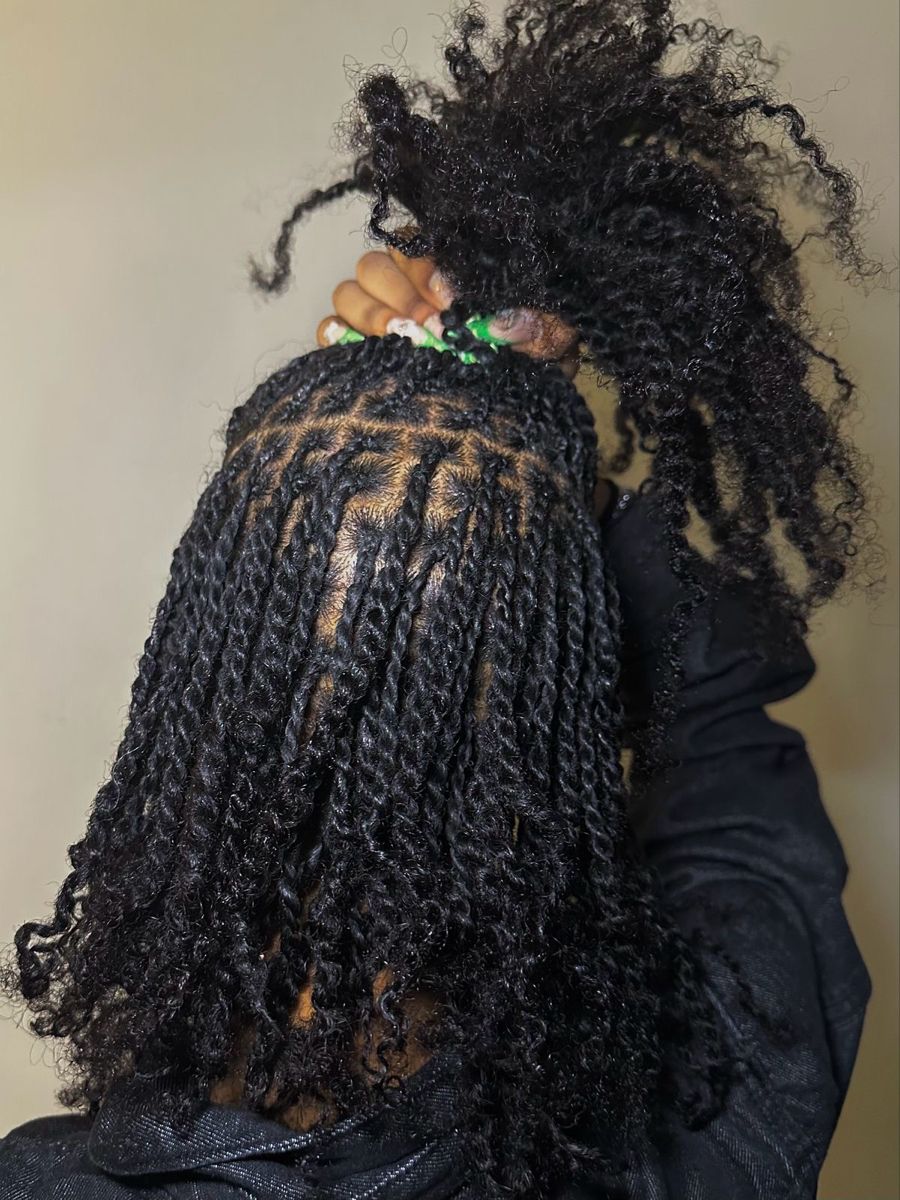
Proper care is essential for helping your locs form correctly and stay healthy.
-
Keep Your Scalp Clean
Contrary to popular myths, locs should still be washed regularly. A clean scalp supports healthy hair growth and prevents buildup.
Use a gentle shampoo and focus on cleaning your scalp rather than aggressively scrubbing your locs.
-
Moisturize Your Locs
Dry locs can become brittle over time. Using lightweight oils or water-based moisturizers can help keep your locs hydrated.
-
Protect Your Hair at Night
Sleeping with a satin or silk bonnet, scarf, or pillowcase helps reduce friction and prevents unnecessary frizz.
-
Avoid Over-Manipulation
Constantly twisting or styling your locs can slow down the locking process. Try to keep your styling simple while your locs develop.
-
Common Mistakes Beginners Make
Starting locs can involve a learning curve. Some common beginner mistakes include:
-
Retwisting too often
-
Using heavy products that cause buildup
-
Comparing your loc journey to others
-
Expecting instant results
Understanding that every loc journey is unique can help you avoid unnecessary frustration.
Final Thoughts
Starting locs is a journey that requires patience, care, and commitment. While the early stages may feel unfamiliar at first, they are also part of what makes the loc experience so special.
Over time, your locs will grow, mature, and develop their own unique character.
By learning the basics, choosing the right starter method, and practicing proper maintenance, you can build a strong foundation for a healthy and successful loc journey.
And remember, every stage of the process from starter locs to mature locs tells the story of your hair’s growth and transformation.
Leave a Reply