Starting locs can feel overwhelming when you see all the different methods available. Whether you’re drawn to twists, comb coils, or interlocking, it’s important to understand how each method works and which is best suited for your hair type, lifestyle, and goals.
Choosing the right starter method will impact:
-
How your locs look in the early stages
-
How quickly your hair locks
-
How much maintenance your locs need
If you’re unsure whether locs are right for you, you may want to check out How to Decide If Locs Are Right for You before committing to a method. Once you’re confident that locs fit your lifestyle, it’s time to decide which technique is the best starting point.
In this guide, we’ll compare the three most popular starter methods: Twists, Comb Coils, and Interlocking, so you can make an informed choice.
Which Loc Method Should You Choose?
1. Two-Strand Twists
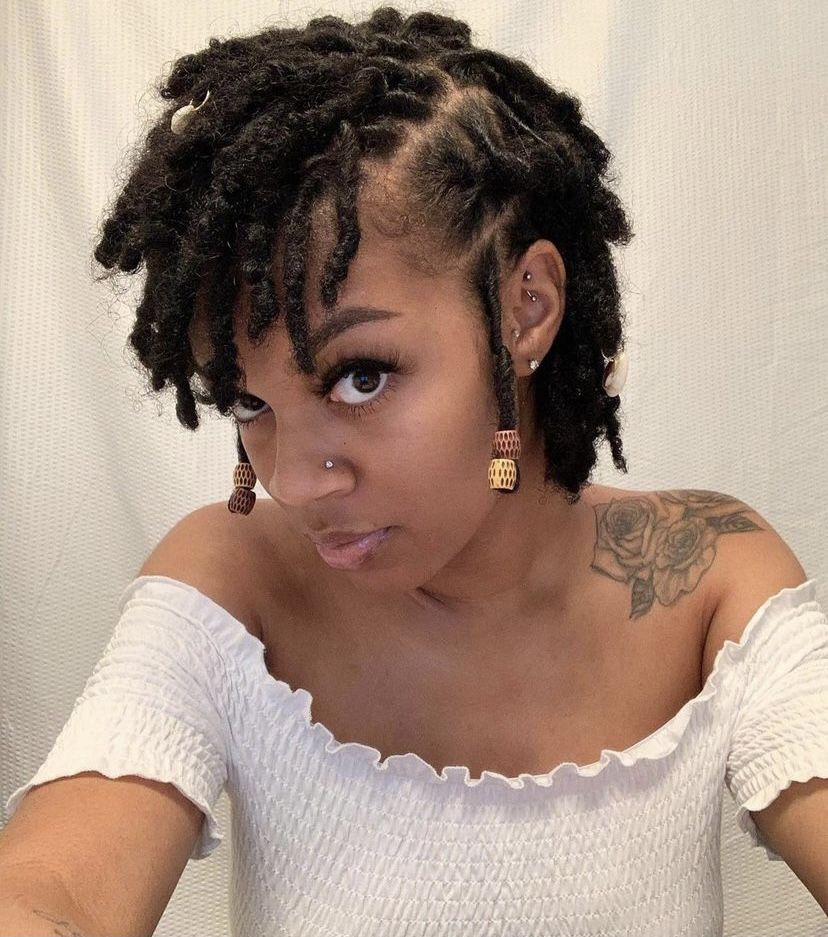
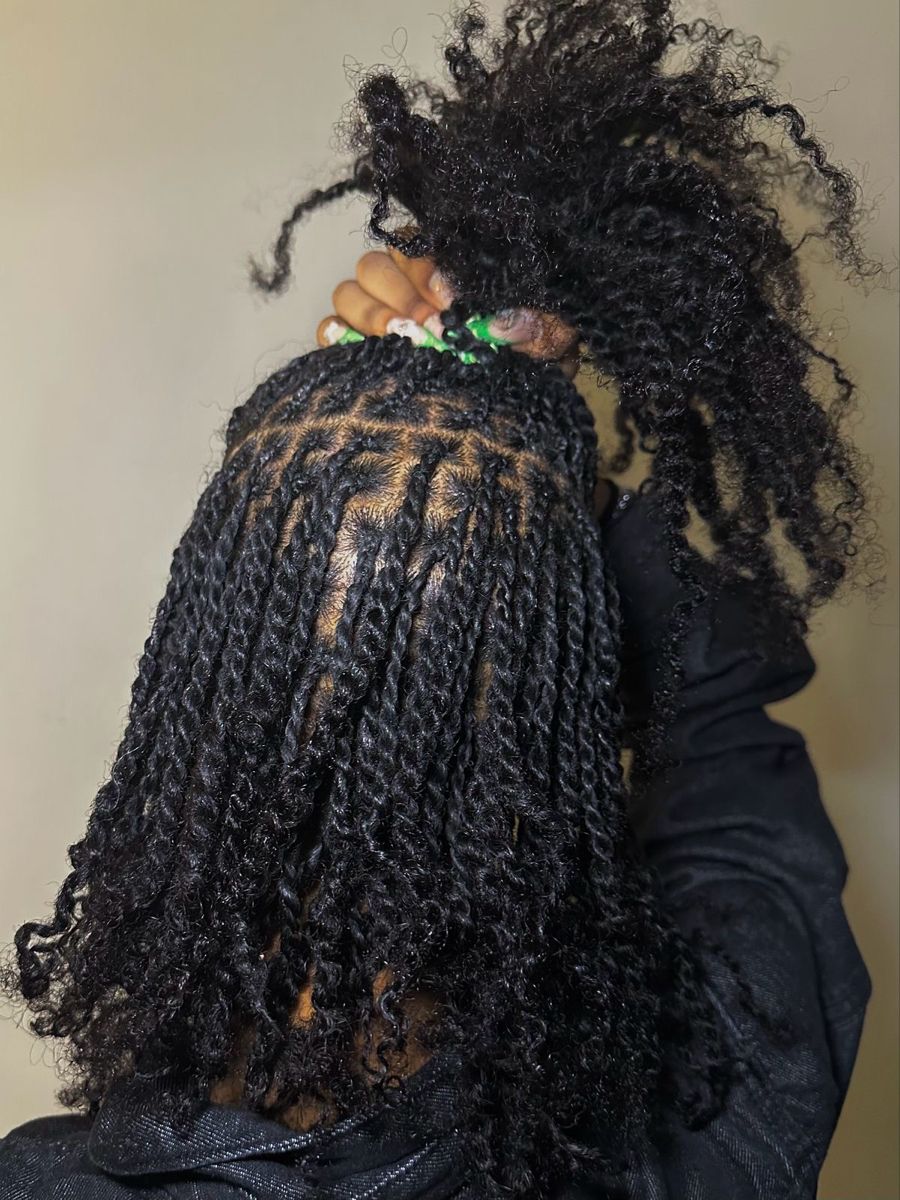
Two-strand twists are one of the most widely used methods for starting locs. This technique involves taking two sections of hair and twisting them together. Over time, the twists begin to mat and form locs naturally.
Advantages of Twists:
-
Fuller appearance early: Twists tend to create a thicker, rope-like look while the locs are forming.
-
Less unraveling than coils: Twists generally hold together better during washing or daily movement.
-
Flexible styling options: Twists can be styled in updos, buns, or simple ponytails even before locs fully mature.
Considerations:
-
Twist pattern may show initially: Your hair may have a visible twist pattern until the locs mature.
-
Size matters: Smaller twists create thinner locs, while larger twists form thicker locs.
Twists are a great option if you want a controlled starter style with a natural-looking fullness. They are especially suitable for hair textures that are coily or curly but may also work for looser curls with careful sectioning.
2. Comb Coils
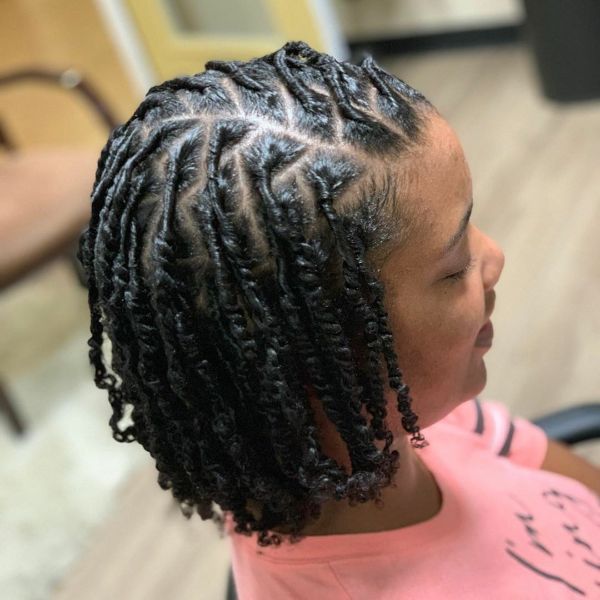
Comb coils are another popular method, particularly for tightly coiled or kinky hair textures. This technique involves using a comb to create spiral coils in small sections of hair. Over time, these coils mat and form uniform locs.
Advantages of Comb Coils:
-
Neat and uniform: Provides clean, defined sections, which help locs lock evenly.
-
Controlled loc size: Each coil can be sized exactly as you want, giving predictable results.
-
Good for dense hair: Coils work well with thick or coily hair textures.
Considerations:
-
May unravel initially: Comb coils can loosen in the first few weeks, requiring gentle maintenance or retwisting.
-
Requires precision: The coils need careful sectioning to stay uniform.
Comb coils are ideal if you want neat, structured starter locs and don’t mind some early-stage maintenance to keep them tight.
3. Interlocking
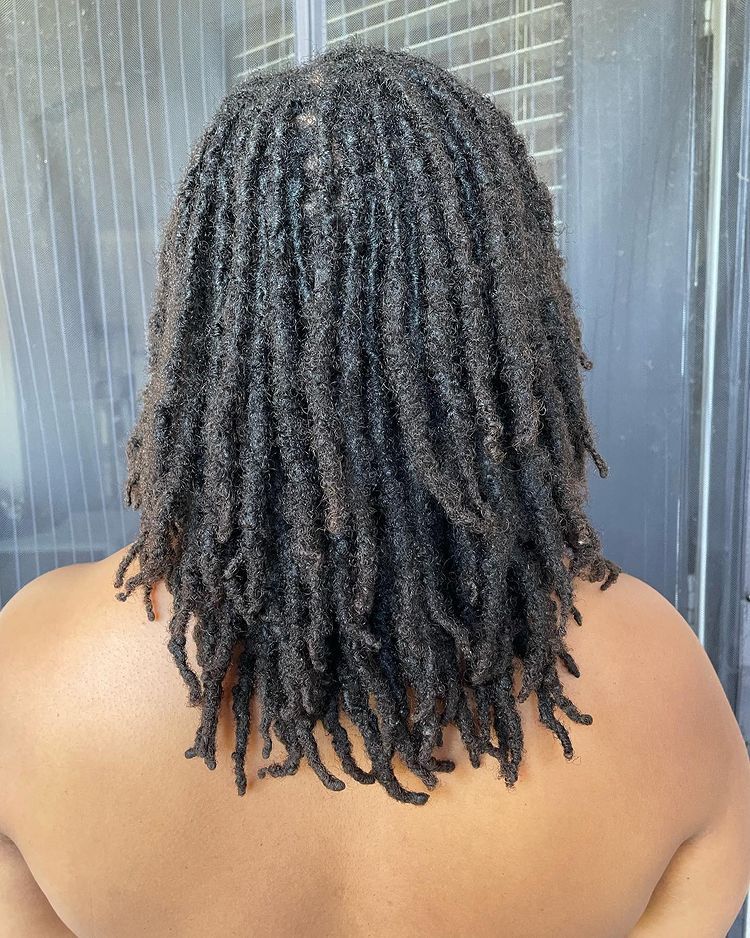
Interlocking is a method that pulls the end of the hair through the root to tighten and secure the loc. This technique can be used both to start new locs and maintain existing ones.
Advantages of Interlocking:
-
Reduces unraveling: Locs stay firm at the roots, which can be helpful for softer or looser hair textures.
-
Minimal maintenance: Well-executed interlocks require less frequent retwisting than twists or coils.
-
Works for various hair textures: From coily to wavy hair, interlocking can create secure locs.
Considerations:
-
Must be done carefully: Too tight interlocks can cause tension and thinning at the roots.
-
May require professional assistance: Beginners often benefit from a loctician’s expertise to avoid damage.
Interlocking is perfect if you want long-lasting starter locs with minimal early-stage unraveling and are willing to learn or pay for professional installation.
Check this guide: The Complete Beginner’s Guide to Starting Locs
4. Comparing the Three Methods
Here’s a quick side-by-side comparison to help you choose:
| Method | Best Hair Types | Maintenance Early Stage | Look in Early Stages | Pros | Cons |
|---|---|---|---|---|---|
| Twists | Coily to curly | Medium | Rope-like, fuller | Natural look, flexible styling | Twist pattern visible initially |
| Comb Coils | Coily/kinky | Medium-High | Neat, uniform | Predictable loc size, neat sections | May unravel initially, needs precision |
| Interlocking | All textures | Low-Medium | Secure, tight at roots | Less unraveling, long-lasting | Tension risk if done incorrectly, may need professional help |
Bookmark this:How to Choose the Right Starter Method for Your Hair Type
5. Factors to Consider When Choosing a Method
When deciding which method is right for you, consider:
-
Hair Texture: Coily or kinky hair may lock faster with twists or coils, while looser textures may benefit from interlocking.
-
Desired Loc Size: Smaller locs can be created with twists or coils, while interlocking works well for larger, thicker sections.
-
Maintenance Preference: Twists and coils may require more frequent retwisting early on. Interlocking can reduce early maintenance but needs proper technique.
-
Styling Goals: Think about how you want to style your locs during the first few months. Twists offer more versatility immediately.
-
Professional Help: If you’re not confident doing the method yourself, a loctician can guide you, especially for interlocking or comb coils.
6. Preparing Your Hair Before Starting Locs
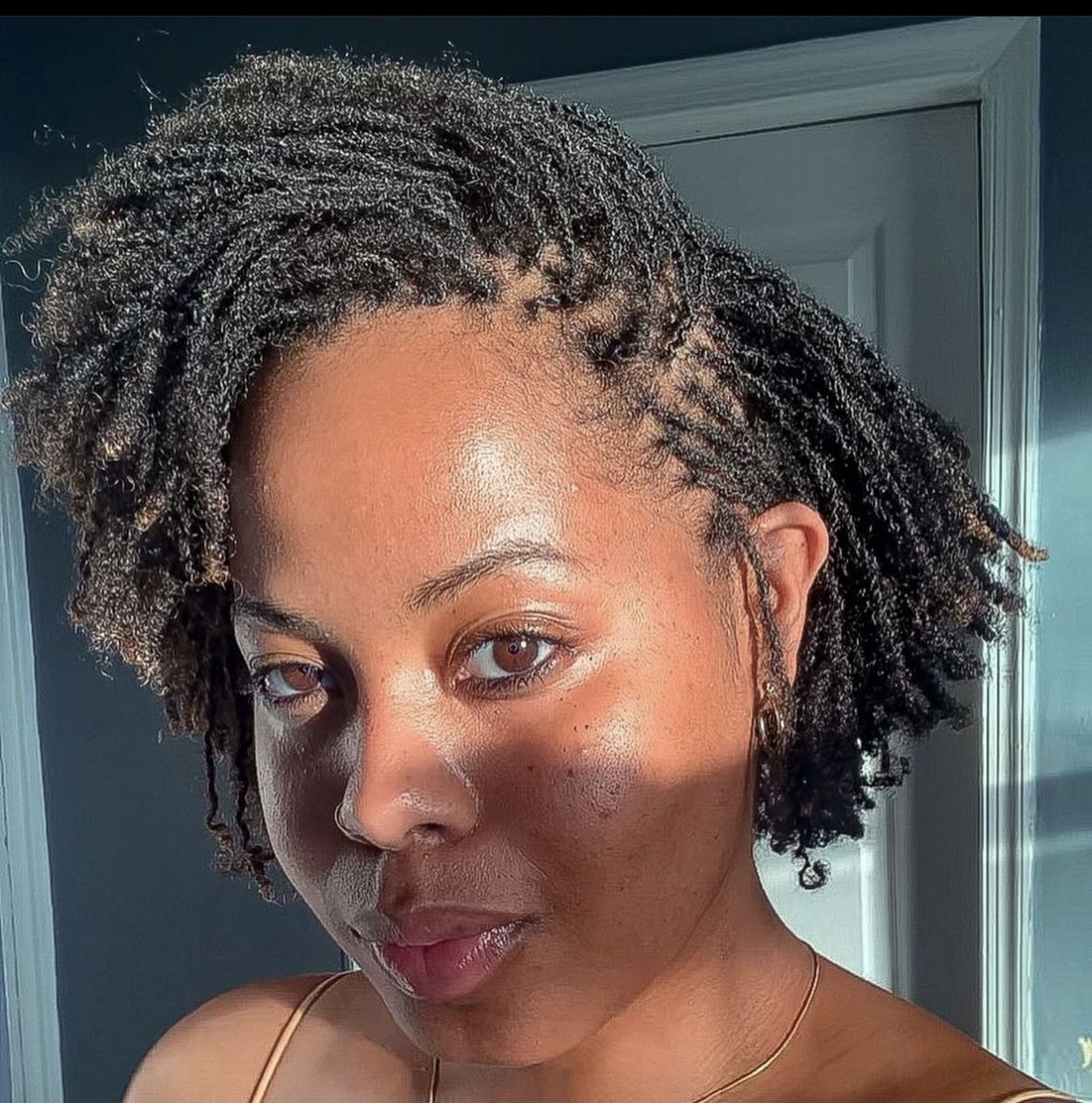
Before you start locs, preparation is crucial. A strong foundation helps your locs lock faster, look healthier, and last longer. Many beginners overlook this step, but taking the time now will save frustration later.
Save this guide: Freeform Locs vs. Starter Locs: Pros and Cons
a. Wash Your Hair Thoroughly
Clean hair is essential. Any dirt, product buildup, or oils left in your hair can slow down the locking process and create scalp issues. Use a gentle sulfate-free shampoo to cleanse your scalp and hair completely.
-
Focus on massaging the scalp to remove excess oils.
-
Rinse thoroughly to prevent residue.
b. Deep Condition and Strengthen
Healthy hair forms stronger locs. Before starting, apply a deep conditioner or protein treatment if your hair is dry, brittle, or chemically treated.
-
Protein treatments can strengthen weak strands, reducing breakage during the loc process.
-
Moisturizing deep conditioners help hair remain flexible, which is important during twisting, coiling, or interlocking.
c. Trim Split Ends
While it may be tempting to keep all your length, trimming split ends and damaged strands before starting locs is a smart move. Split ends can lead to weak locs that break easily, which can affect the uniformity and longevity of your locs.
d. Clarify Your Hair
If you’ve used heavy creams, gels, or oils, a clarifying shampoo or natural rinse can help remove residue. Locs can trap buildup easily, so starting with clean, residue-free hair is ideal.
-
Avoid heavy products for at least a week before starting.
-
Focus on light moisturizers or water-based sprays instead.
e. Assess Hair Health
Take a good look at your hair and scalp. Ask yourself:
-
Is my scalp healthy and free from irritation?
-
Is my hair strong and elastic, or is it prone to breakage?
-
Do I need to treat dryness or damage first?
Addressing these issues before starting ensures your locs start on the strongest, healthiest foundation possible.
f. Plan Your Parting and Loc Size
Deciding on how big or small you want your locs and the parting style is an important part of preparation.
-
Small parts → smaller locs → more locs overall → versatile styling but more maintenance
-
Large parts → thicker locs → fewer locs → bold appearance, potentially easier maintenance
Sketching out your loc layout or discussing it with a professional loctician can prevent mistakes later.
7. What to Expect in the First Weeks
The first few weeks after installing your locs can feel exciting and confusing at the same time. It’s important to know what to expect so you don’t get discouraged.
a. Frizz is Normal
Frizz is completely normal during the early stages. Your hair is beginning to mat and lock, and some strands may stick out. Instead of trying to smooth everything down, embrace the process.
b. Shrinkage Happens
Most hair textures shrink as they start to lock. This means your locs may appear shorter than your actual hair length. This is temporary and will even out as your locs mature.
c. Avoid Excessive Retwisting
While it’s tempting to retwist every few days, excessive manipulation can weaken your locs and slow down the locking process. Stick to gentle maintenance and only retwist when necessary.
d. Your Hair Will Adjust
During the first weeks, your hair may feel stiff, dry, or heavy. This is normal as your hair adapts to its new sections. Proper moisturizing and light oils can help keep your hair healthy and flexible.
Pin this: How to Decide If Locs Are Right for You
8. Maintaining Starter Locs
Maintenance is key to a successful loc journey. How you care for your starter locs will determine how neat and healthy they stay during the early months.
a. Washing and Cleansing
-
Wash your locs once every 1–2 weeks to keep your scalp clean.
-
Use a gentle, residue-free shampoo.
-
Focus on the scalp, and gently squeeze locs instead of scrubbing aggressively.
b. Moisturizing
Dry locs are prone to breakage. Light oils like jojoba, argan, or coconut oil can keep locs hydrated without causing buildup. Water-based sprays are also excellent for daily moisture.
c. Nighttime Protection
Friction can cause locs to frizz and thin. Use a satin or silk scarf, bonnet, or pillowcase every night.
d. Avoid Over-Manipulation
Constant twisting, styling, or pulling can weaken the roots. Minimal handling helps your locs lock faster and stronger.
e. Monitoring Scalp Health
Keep an eye out for dryness, irritation, or flakes. Regular moisturizing and gentle cleansing help maintain a healthy scalp environment.
9. Common Beginner Mistakes and How to Avoid Them
Even with careful preparation, beginners often make mistakes that can delay or compromise loc development.
a. Retwisting Too Often
Frequent retwisting can stress the roots and cause thinning. Stick to a schedule recommended by your loctician or wait until your locs start loosening naturally.
b. Using Heavy Products
Heavy creams, gels, or waxes can cause buildup and prevent proper locking. Opt for light oils and water-based products during the starter stage.
c. Comparing Yourself to Others
Social media often shows mature, flawless locs, which can make beginners feel discouraged. Remember, every loc journey is unique. Your hair will mature at its own pace.
d. Neglecting Scalp Care
Even if your locs look great, a neglected scalp can cause itchiness, dandruff, or weak roots. Keep your scalp moisturized and clean.
e. Starting Without Preparation
Starting locs on dry, brittle, or damaged hair increases the risk of breakage. Preparing your hair before starting gives you the strongest foundation for long-term loc health.
10. Final Tips for a Successful Starter Loc Journey
-
Be Patient – Locs take time to mature. Don’t rush the process.
-
Embrace the Stages – Each phase, from starter to mature locs, is a part of your hair’s story.
-
Protect Your Hair – Nighttime protection and gentle handling are essential.
-
Moisturize Regularly – Hydration keeps your locs flexible and healthy.
-
Consult a Professional – A loctician can guide you on method, parting, and care routines.
-
Document Your Journey – Take progress photos to appreciate how your locs evolve.
-
Connect With a Community – Sharing experiences with others can provide encouragement and tips.
By taking the time to prepare your hair, understand the first stages, and maintain your locs properly, you’ll set yourself up for healthy, strong, and beautiful locs that grow with you over time.
Final Thoughts
Choosing the right starter method for your loc journey is one of the most important decisions you’ll make. Whether you go with twists, comb coils, or interlocking, each method offers unique benefits depending on your hair type, lifestyle, and maintenance preferences.
Remember, there is no single “perfect” method, what matters most is starting with healthy hair, being patient, and following a consistent care routine. Every loc journey is unique, and your hair will develop its own texture, character, and style over time.
If you’re still feeling unsure about starting locs or want a step-by-step breakdown of how to begin your journey, check out The Complete Beginner’s Guide to Starting Locs. This guide covers everything from preparation and starter methods to maintenance and what to expect in the early stages, helping you start your loc journey with confidence.
With the right preparation, care, and mindset, your locs can become a long-lasting, beautiful expression of your natural hair and personal style. Embrace the process, celebrate each stage, and enjoy watching your locs grow and transform over time.
Leave a Reply