Easter has always been one of the most meaningful seasons for me as a Christian. While the beautiful spring decorations, pastel colors, and family gatherings make the holiday feel joyful and festive, what truly makes Easter special is the powerful reminder of Jesus’ resurrection and the hope we have because of it.
Over the years, I’ve come to realize that celebrating Easter as a family goes far beyond Easter eggs and special meals. Some of the most meaningful moments happen during the simple things like reading the Easter story together, saying a short prayer as a family, or helping children understand the true message behind the season. These small faith-filled traditions can leave a lasting impact and help keep Christ at the center of the celebration.
I also love capturing those little family moments during Easter and If you enjoy documenting these sweet holiday memories, you might also love these 33 Aesthetic Easter Photo Ideas, which are perfect for capturing the beauty of Easter celebrations and meaningful family traditions.
If you’re looking for ways to make Easter more faith-centered at home, these 26 religious Easter activities for families will help you create meaningful moments together.
26 Religious Easter Activities for Families
1. Read the Easter Story Together as a Family
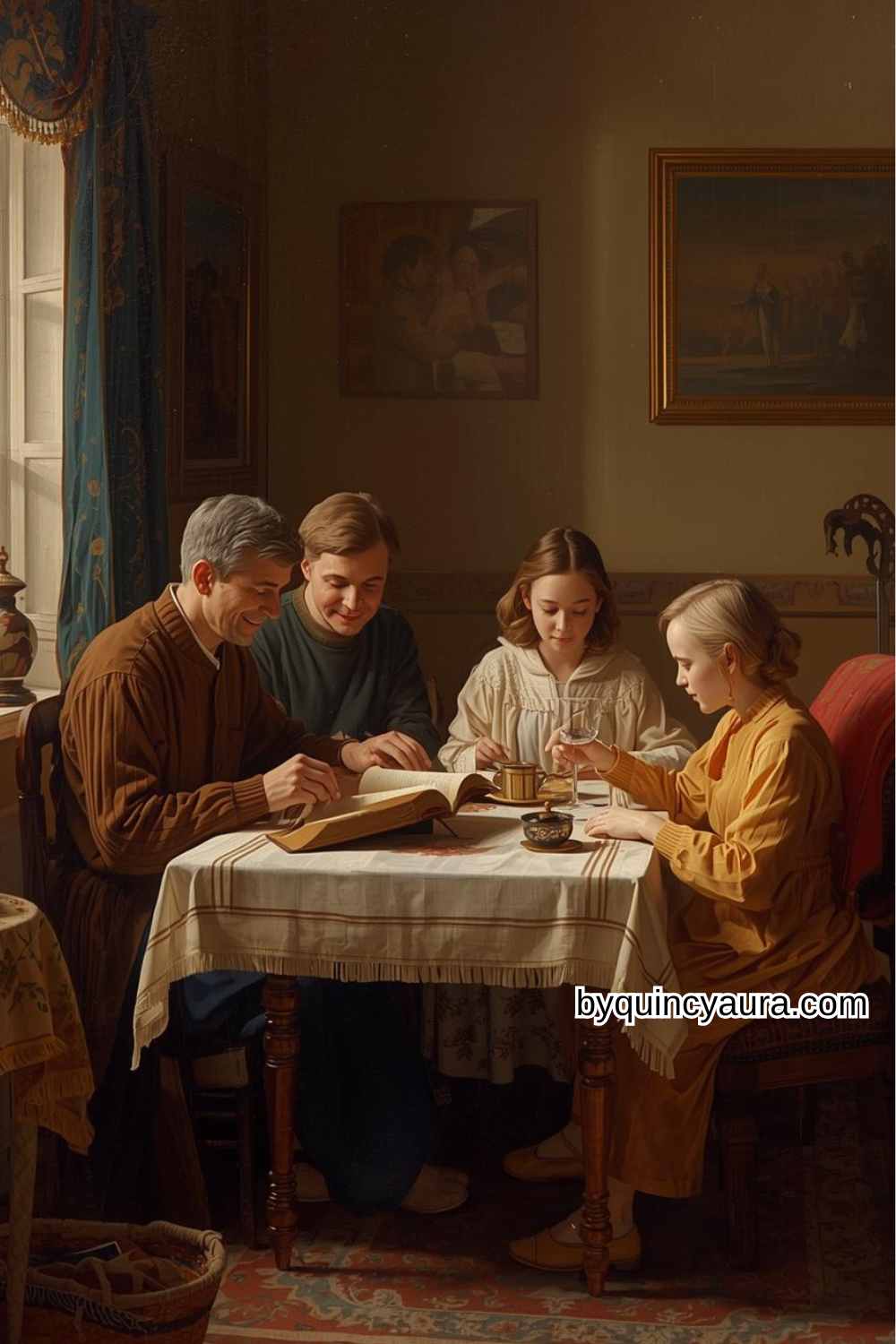
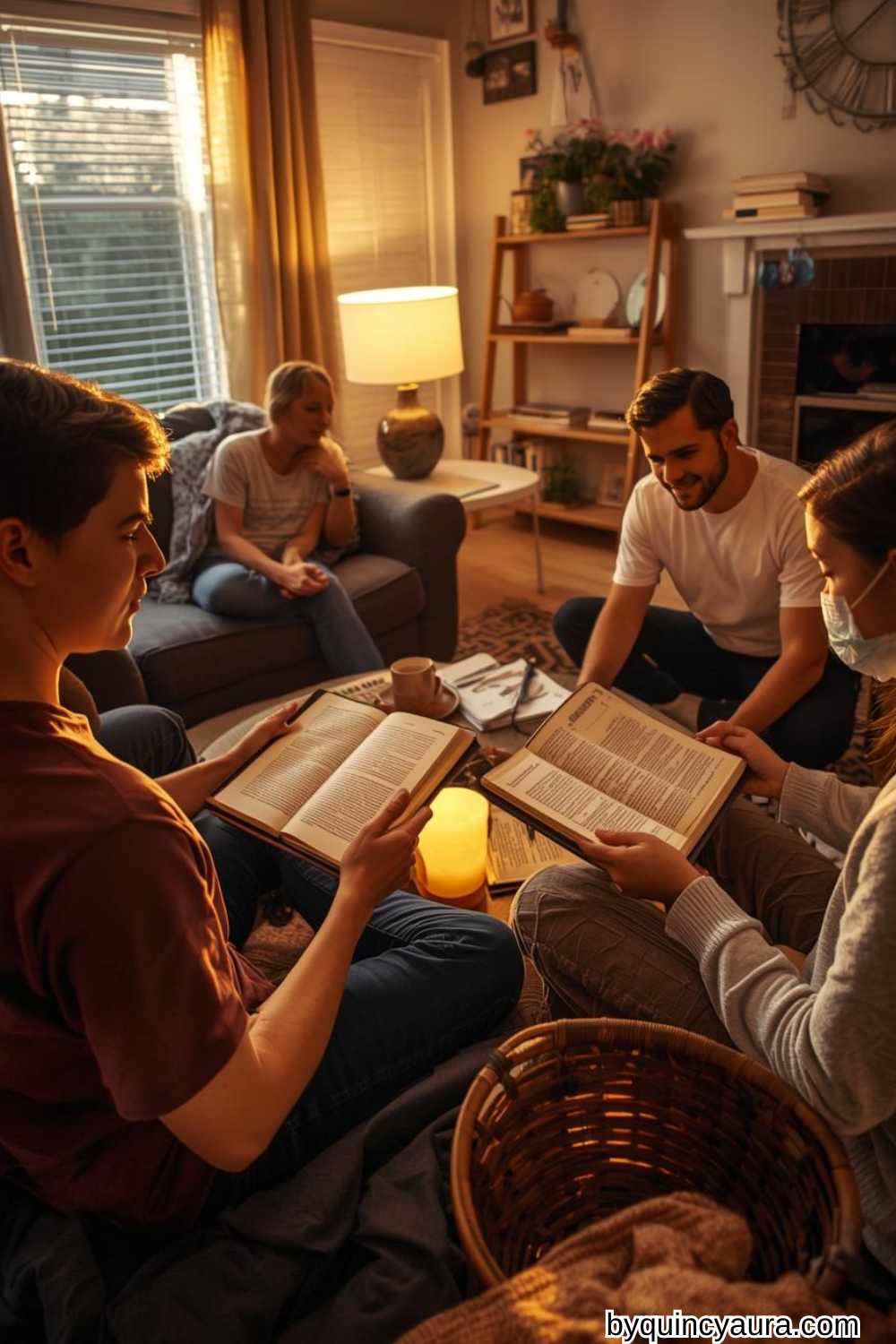
One of the simplest yet most meaningful religious Easter activities for families is reading the Easter story together. Taking a few quiet moments to open the Bible helps remind everyone that Easter is truly about the death and resurrection of Jesus Christ.
You can gather in the living room or around the dining table and read passages like Matthew 28, Luke 24, or John 20. For families with younger children, try pausing along the way to explain the story in simple words and encourage them to ask questions about what is happening.
To make the activity more engaging, you can let different family members take turns reading parts of the story or even act out small scenes. Afterward, children can draw their favorite moment from the story, like the empty tomb or the angel announcing that Jesus has risen.
Even though this activity is simple, it creates a peaceful moment for the whole family to reflect on the true meaning of Easter and grow together in faith.
2. Create a Simple Resurrection Craft
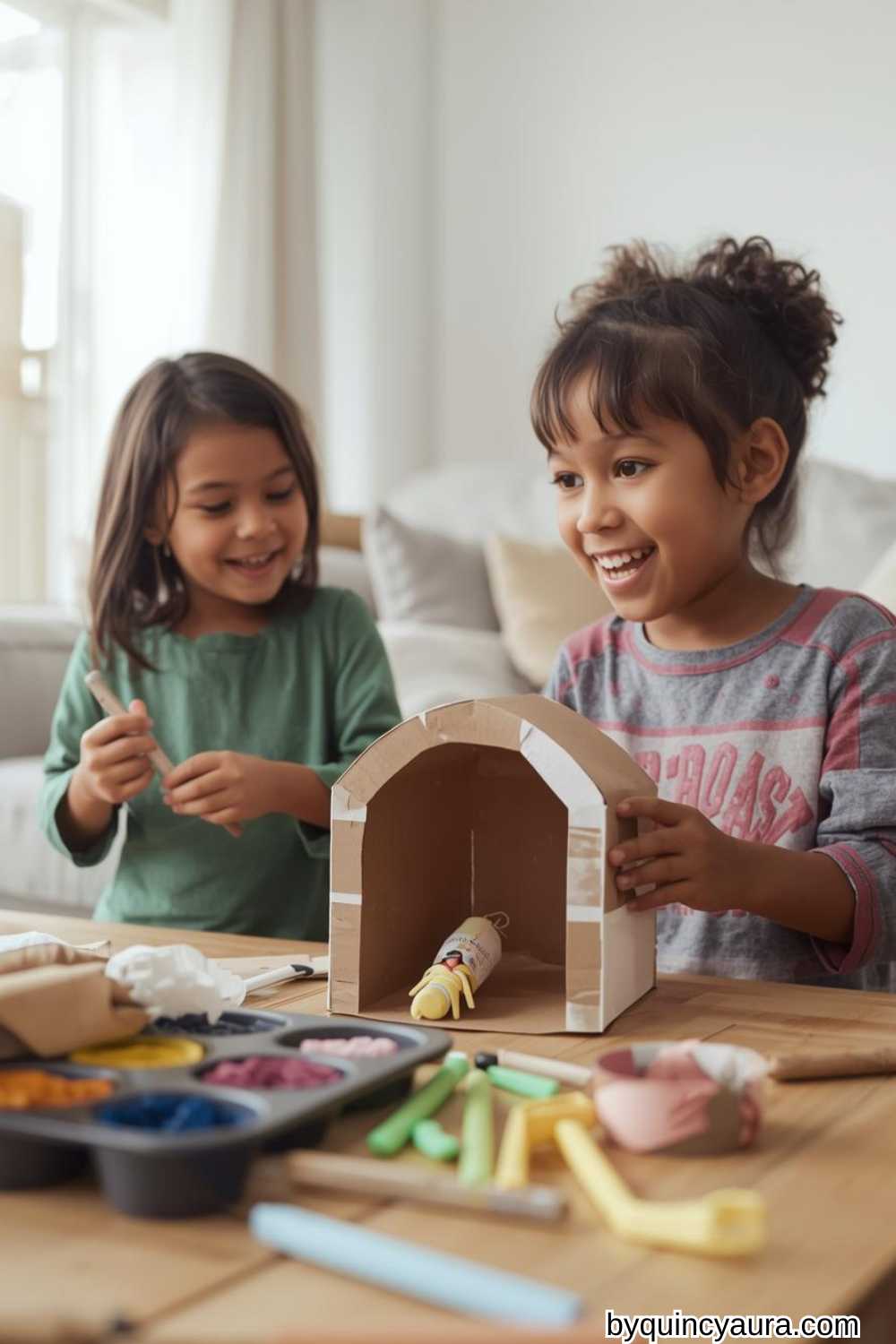
A resurrection craft is a wonderful way to help children understand the Easter story in a creative and hands-on way. Instead of simply hearing about the resurrection, kids get to visualize it while making something meaningful.
One simple idea is to help children create a small empty tomb craft using paper, cardboard, or even clay. You can show them how the stone was rolled away and explain how the empty tomb represents that Jesus has risen. As they work on the craft, take time to talk about what happened on Easter morning and why it is such an important moment in the Christian faith.
Once the craft is finished, children can display it on a shelf, desk, or Easter table as a reminder of the true meaning of the season. It also becomes a beautiful conversation starter when friends or family visit during the holiday.
3. Pray Together as a Family

Prayer is one of the most powerful ways families can connect during the Easter season. Taking time to pray together allows everyone to reflect on the sacrifice Jesus made and to express gratitude for the hope that His resurrection brings.
You might choose to pray together before dinner, during a quiet evening moment, or on Easter morning before heading to church. Encourage each family member to share a short prayer, even if it’s just a simple thank-you to God. For younger children, you can guide them with prompts like thanking Jesus for His love or praying for family and friends.
Creating this small prayer tradition during Easter can help children understand that faith is not only something we celebrate in church but something we practice together at home as a family.
4. Build a Faith-Filled Easter Basket
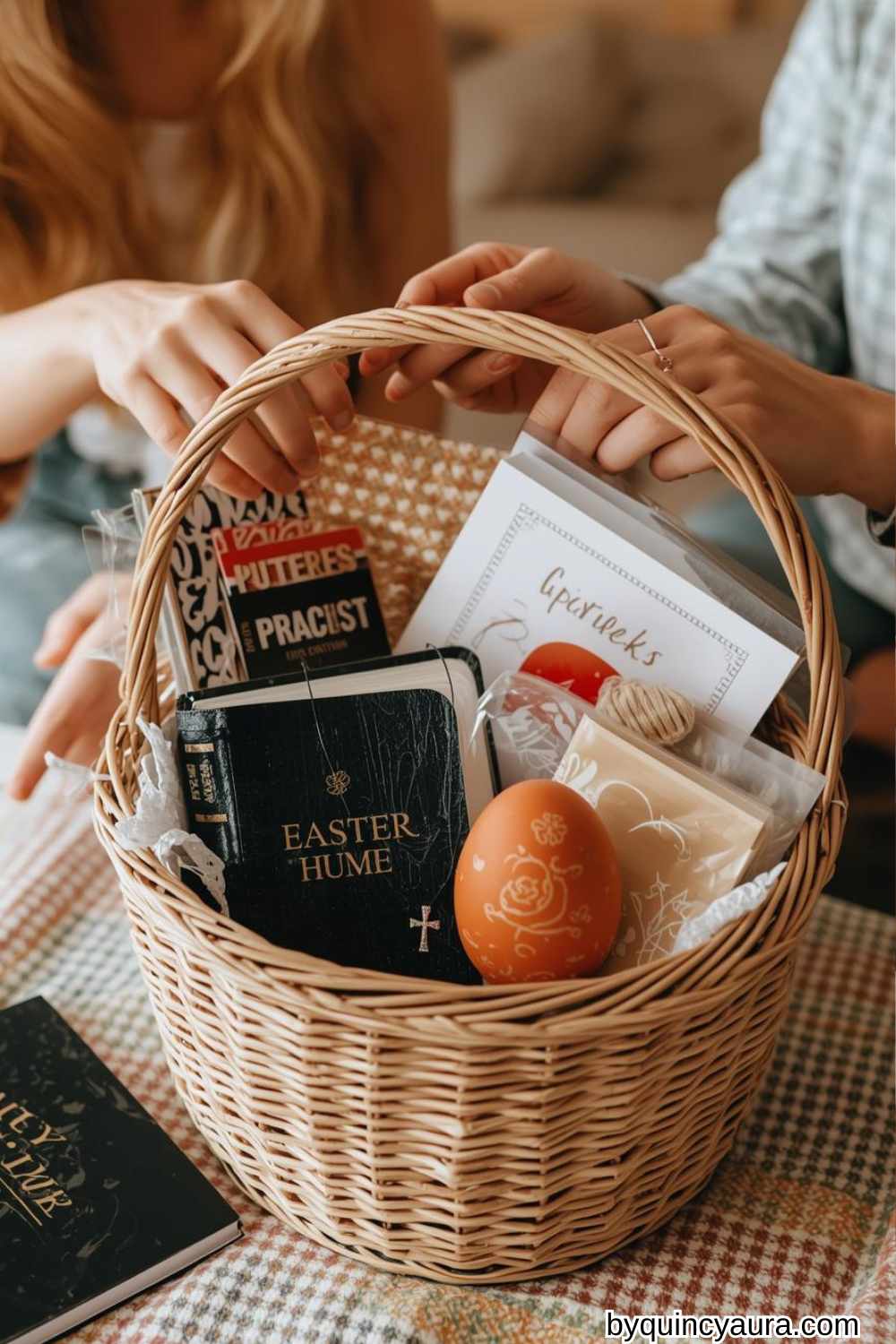
Easter baskets can also be a great opportunity to focus on faith rather than just sweets and candy. Instead of filling baskets with only chocolate eggs, consider adding items that remind children of the meaning behind Easter.
You might include a small Bible, a children’s devotional, a cross necklace, or a notebook where kids can write prayers or draw Bible stories. These thoughtful additions turn the Easter basket into something both fun and meaningful.
If you’re looking for creative ways to fill baskets without relying on candy, you can also explore ideas like activity books, craft kits, or faith-based toys. This list of 18 Non-Candy Easter Basket Fillers For Kids is full of helpful ideas that keep the baskets exciting while still focusing on thoughtful gifts.
5. Act Out the Easter Story

Another engaging way to help children understand the message of Easter is by acting out the story together as a family. This activity turns the Bible story into something interactive and memorable, especially for younger kids.
Family members can take turns playing different roles such as the angel, the disciples, or the women who visited the tomb. You can use simple items around the house as props, like a sheet for costumes or a small box to represent the tomb.
Acting out the Easter story not only makes learning fun but also helps children remember the events of Easter in a deeper way. It becomes a joyful activity that brings laughter, learning, and faith together in a meaningful family moment.
6. Write Easter Gratitude Notes
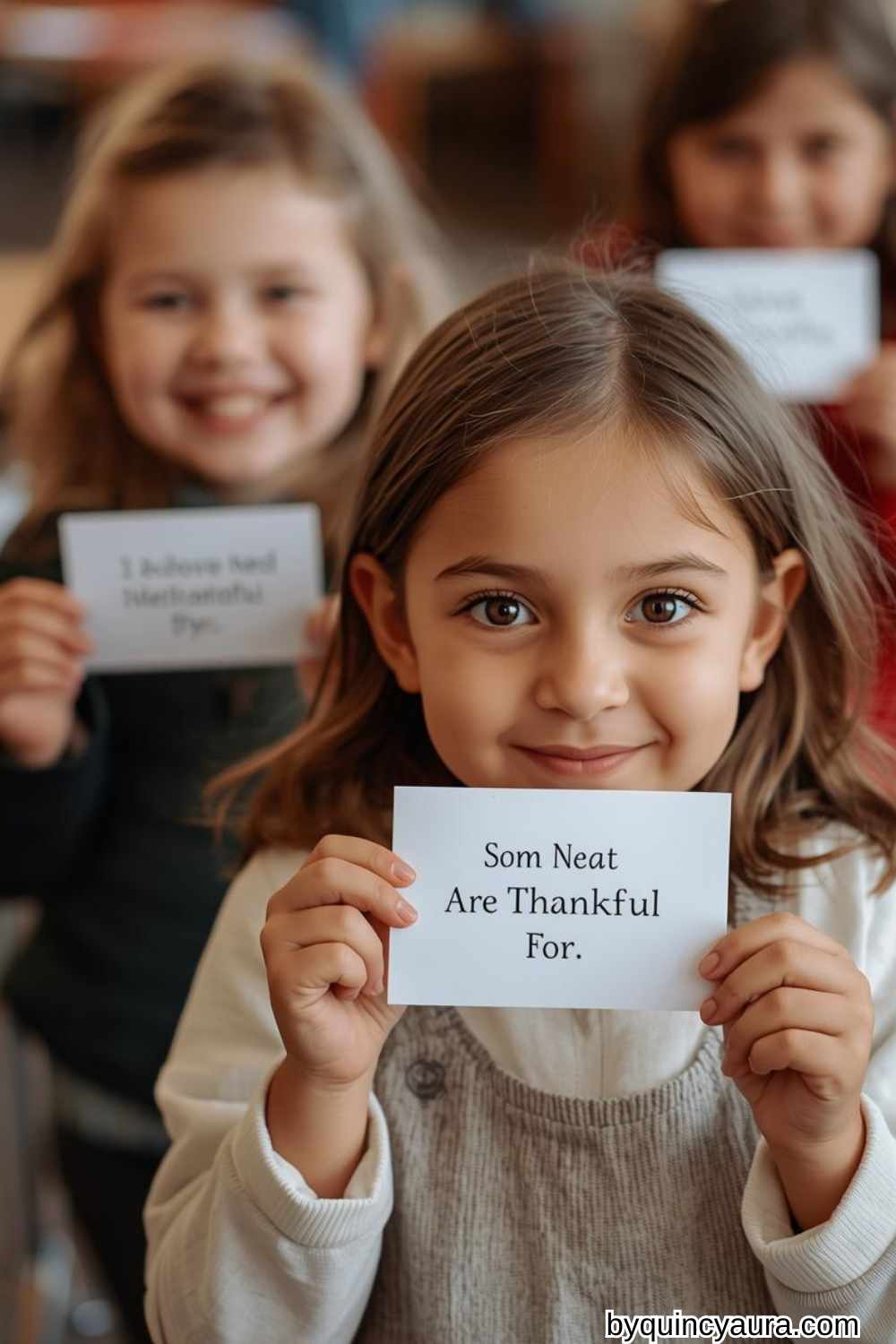
Easter is a beautiful time to teach children about gratitude and appreciation. One simple activity is encouraging family members to write small Easter gratitude notes to God or to people in their lives.
You can give each child a small piece of paper or a card and ask them to write something they are thankful for. It could be thanking Jesus for His love, appreciating a family member, or expressing gratitude for blessings in their lives. Younger children who may not be able to write yet can draw pictures instead.
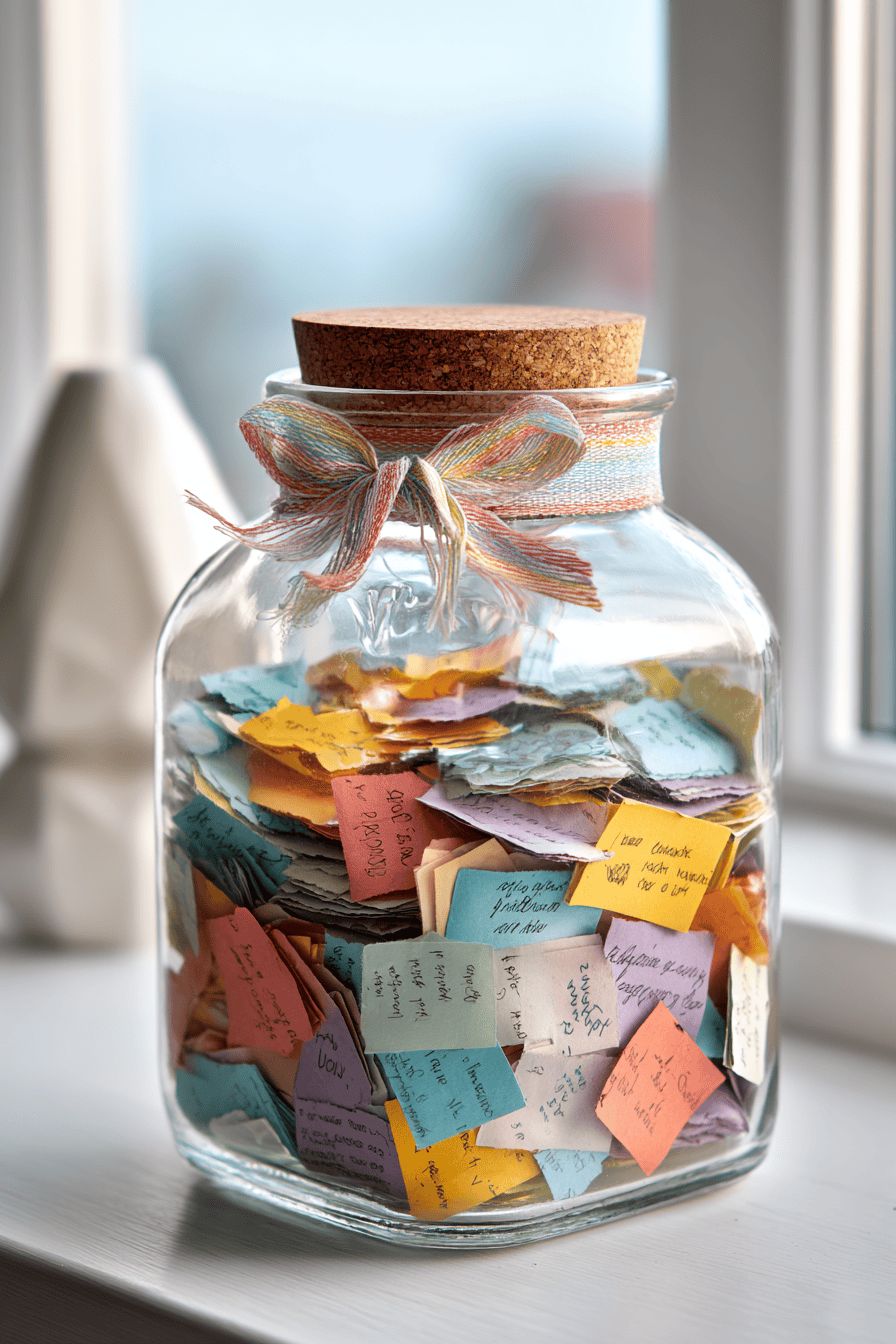
Once the notes are finished, you can place them in a small jar or basket and read them together during a family prayer time. This activity helps children reflect on the true meaning of Easter while also encouraging a thankful heart.
7. Make Faith-Inspired Easter Crafts
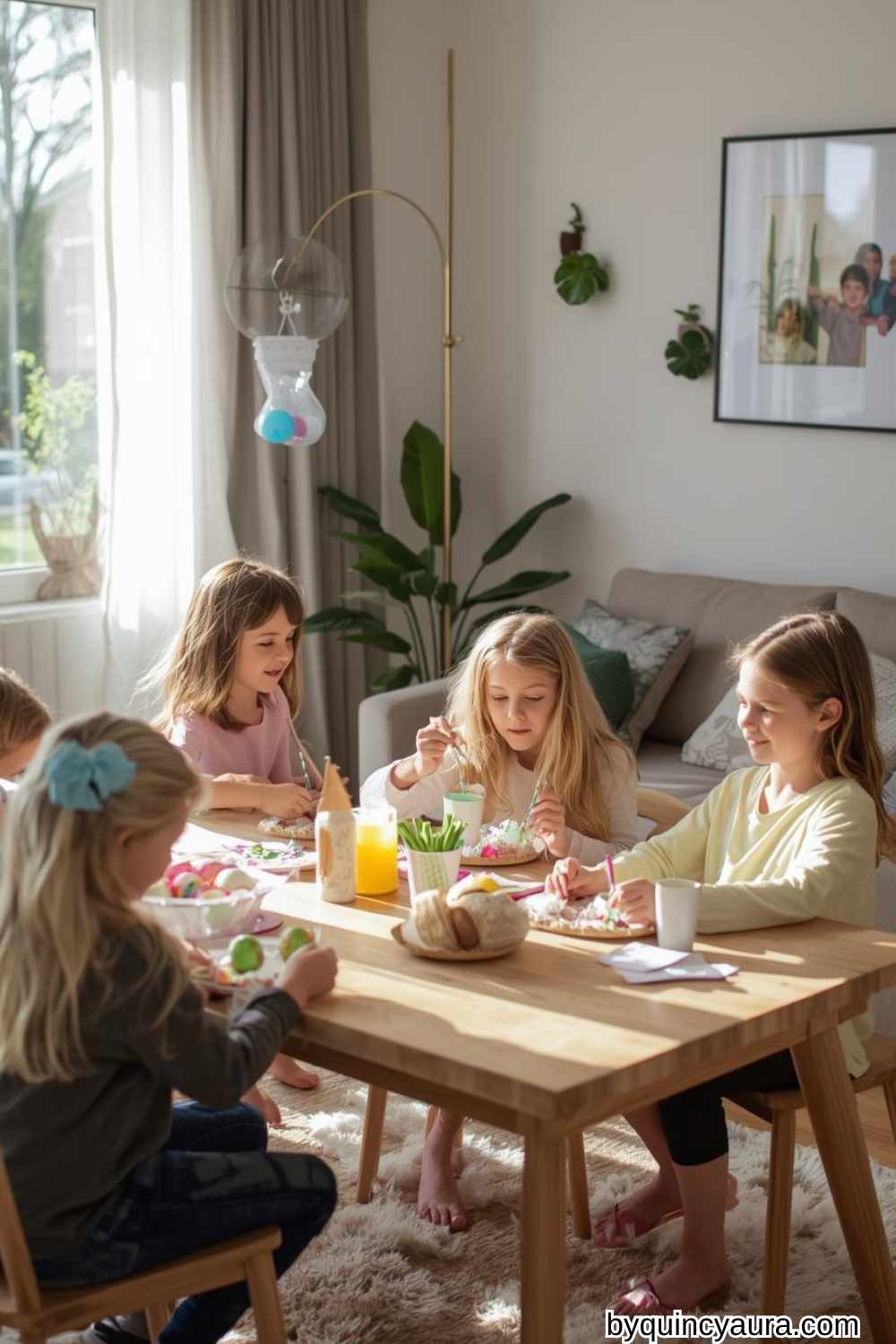
Craft time can easily become a meaningful faith activity during Easter.
Instead of only making decorations, children can create crafts that represent parts of the Easter story.
For example, they can make paper crosses, decorate empty tomb pictures, or create simple resurrection-themed artwork.
While the kids are crafting, take time to talk about what each symbol represents and why it is important in the Easter story.
If your family enjoys creative activities, you can find plenty of fun ideas in this list of 25 Easy Easter Crafts for Kids That Spark Creativity.
These crafts are perfect for keeping children engaged while helping them connect with the meaning behind the holiday.
8. Watch a Family-Friendly Easter Bible Movie

Another meaningful activity is setting aside a family movie night to watch a Bible-based film about the life of Jesus.
Watching the story unfold visually can help children understand the events of Easter in a powerful way.
Prepare a cozy setup in the living room with blankets and pillows so everyone can relax together.
After the movie, take a few minutes to talk about what everyone learned and discuss the message of hope and love that Easter represents.
This activity allows families to learn together while creating a relaxed and memorable evening.
9. Do an Easter Kindness Challenge
Easter is the perfect time to encourage children to show love and kindness to others.
A simple way to do this is by creating a small Easter kindness challenge for the whole family.
Write different acts of kindness on small slips of paper and place them in a jar. These could include things like helping a neighbor, writing an encouraging note, sharing toys with siblings, or praying for someone in need.
Each day leading up to Easter, family members can pick one act of kindness and complete it together.
This activity teaches children that celebrating Easter also means living out the love that Jesus showed to others.
10. Visit Church Together on Easter Morning
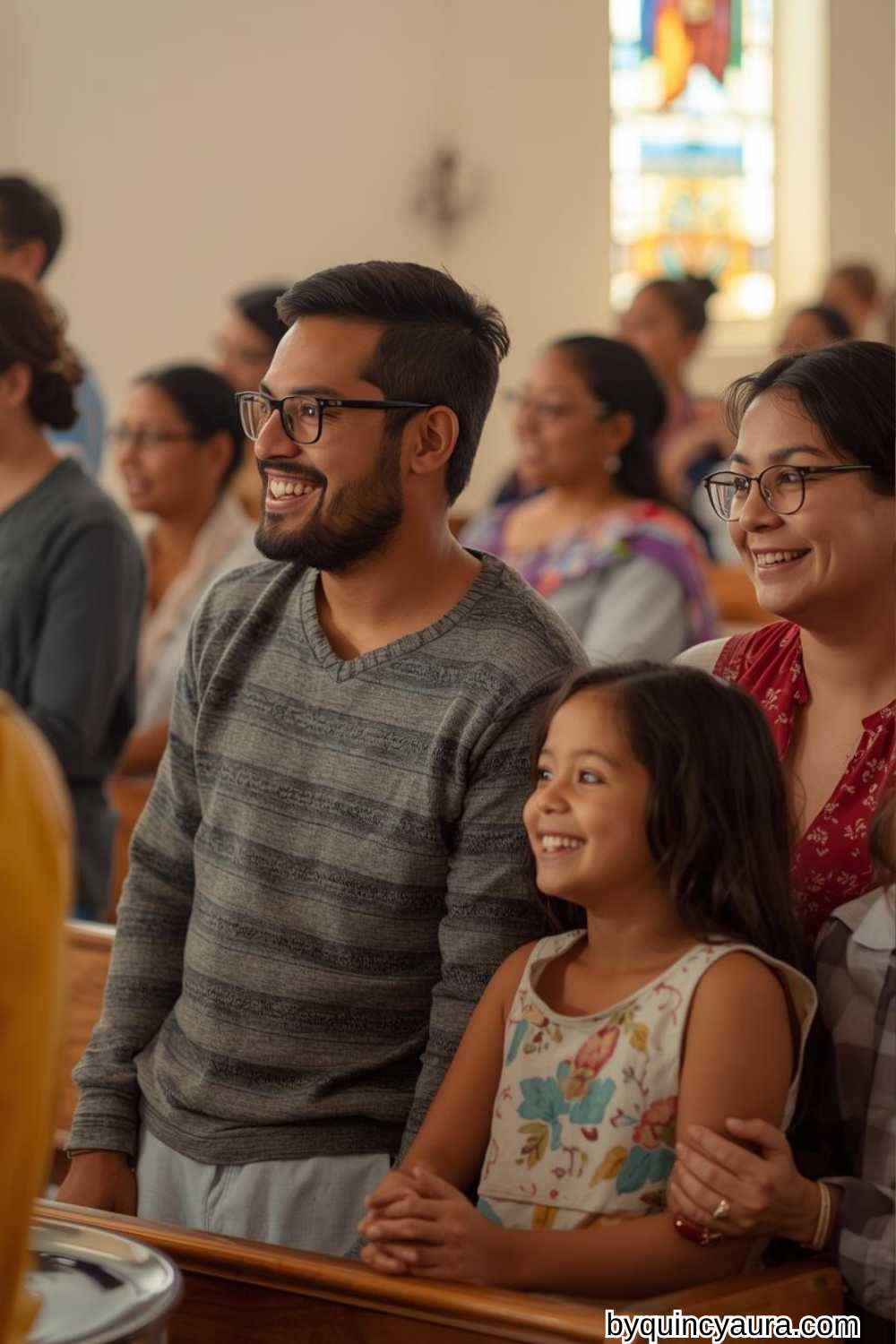
Attending church together as a family is one of the most meaningful Easter traditions.
It gives everyone the opportunity to worship, reflect on the resurrection, and celebrate the hope that Easter brings.
Many families like to prepare for this special day by choosing their Easter outfits the night before and waking up early for a peaceful morning together.
The experience of singing worship songs, listening to the Easter message, and celebrating with the church community can create lasting memories.
Going to church on Easter morning helps remind everyone that the holiday is not just about traditions at home, but about celebrating the victory and love of Jesus with other believers.
11. Prepare a Bible-Themed Easter Breakfast

Starting Easter morning with a faith-centered breakfast is a simple way to make the day special.
You could prepare pancakes shaped like crosses, fruit arranged in the shape of a crown of thorns, or eggs in pastel colors while discussing their symbolism.
As the family eats together, take a moment to read a short passage from the Bible, like Luke 24:1–12, and reflect on the resurrection story.
This creates a peaceful, intentional start to the day and helps children associate even everyday moments like breakfast with celebrating Christ’s love.
12. Decorate the Table with Meaning

Transform your Easter table into a reminder of the season’s faith-filled meaning.
You can add small crosses, flowers in soft spring colors, and candles to create a warm and inviting atmosphere.
Encourage children to help with simple decorations, like folding napkins into a cross shape or placing small Bible verses around the table.
These small touches make the meal feel special and help everyone focus on the true reason for Easter.
13. Create a Scripture Egg Hunt
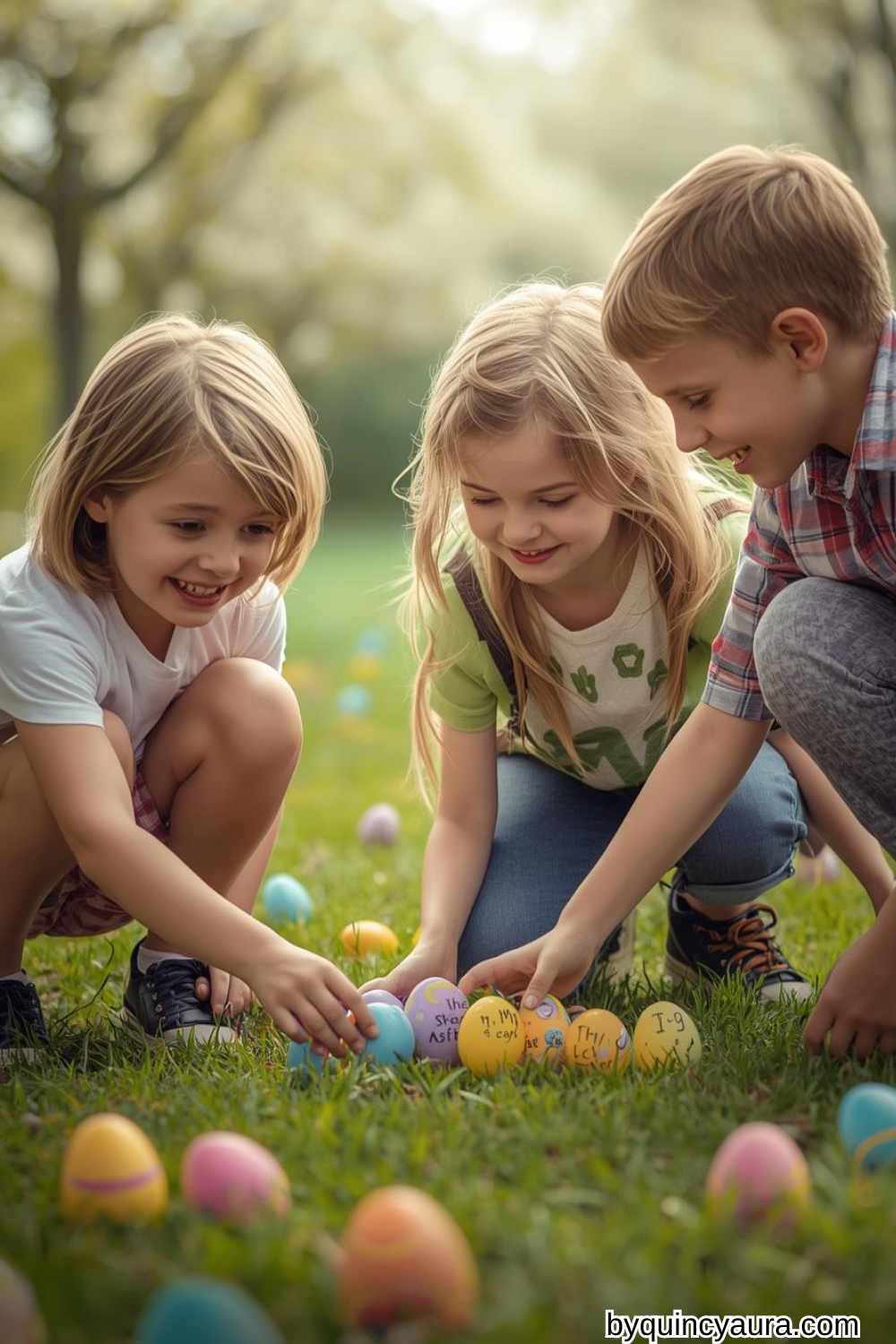
Give the classic Easter egg hunt a meaningful twist by putting Bible verses or short faith-based messages inside the eggs instead of candy.
This way, children still enjoy the fun of hunting for eggs while also learning about Jesus’ story.
You can choose verses that are short and easy to memorize, like John 11:25 or Matthew 28:6.
After the hunt, gather together and read each verse aloud, letting kids reflect on the message. This combines excitement, learning, and family time in one engaging activity.
14. Make Healthy Easter Treats

In addition to celebrating faith, Easter is a perfect opportunity to enjoy fun snacks as a family.
Instead of sugary sweets, try making healthy alternatives that everyone will love.
Ideas include fruit skewers shaped like crosses, yogurt parfaits with pastel toppings, or homemade carrot muffins decorated like Easter bunnies.
Kids can help prepare these snacks, turning it into both a fun cooking activity and a way to celebrate the season.
If you’re looking for more creative snack ideas, check out 12 Healthy Easter Snack Ideas That Everyone Will Love, which is full of delicious, family-friendly recipes that make the holiday even more festive.
15. Set Up a Prayer Garden
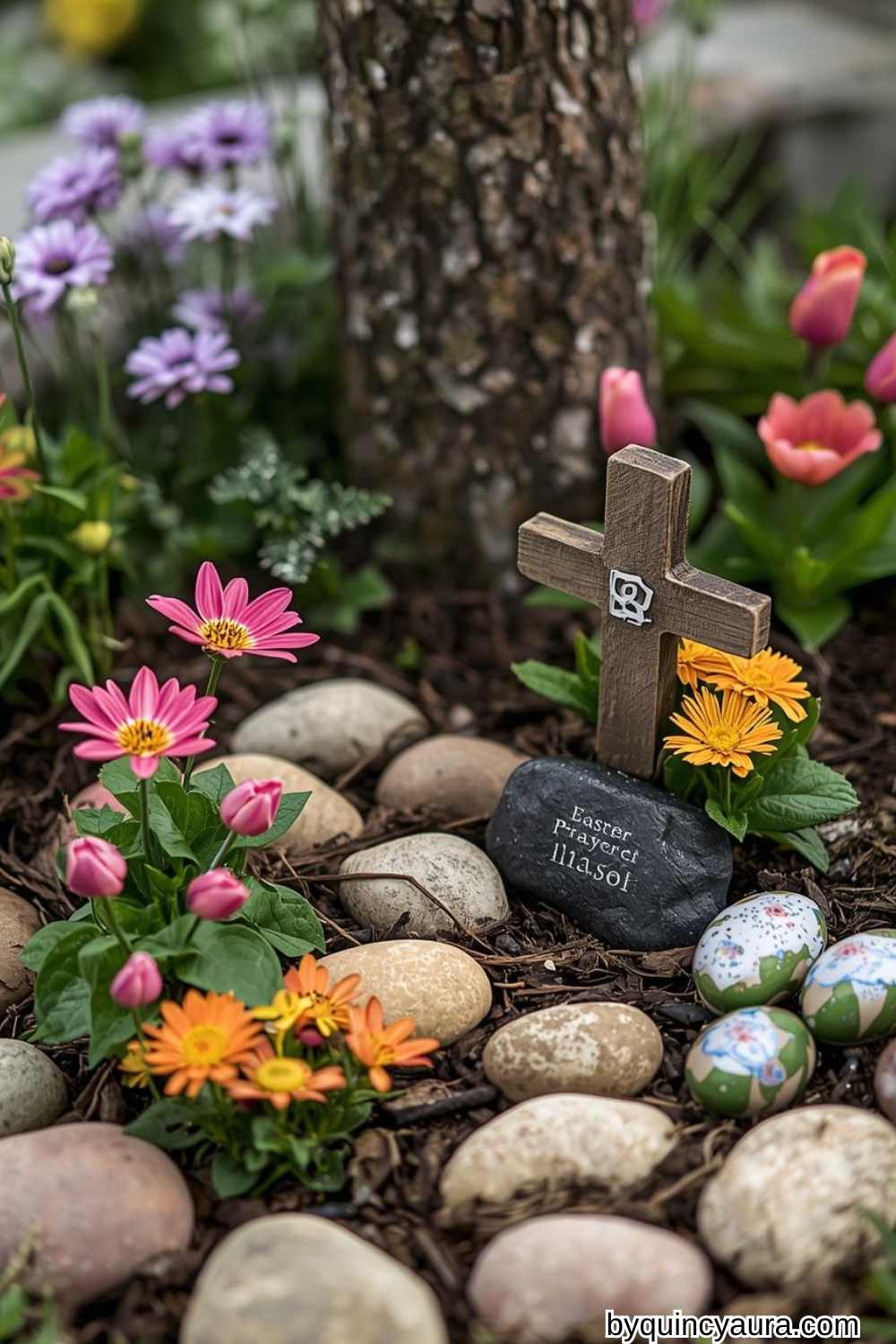
A small Easter prayer garden is a beautiful way to teach children about reflection and gratitude.
You can create a simple outdoor or indoor space with flowers, stones, and a small cross or Bible.
Encourage each family member to add a stone or flower and say a short prayer for someone they love or for blessings they are thankful for.
This activity allows children to connect visually with the ideas of growth, new life, and resurrection, turning the garden into a meaningful reminder of Easter’s spiritual message.
16. Host a Family Easter Devotional
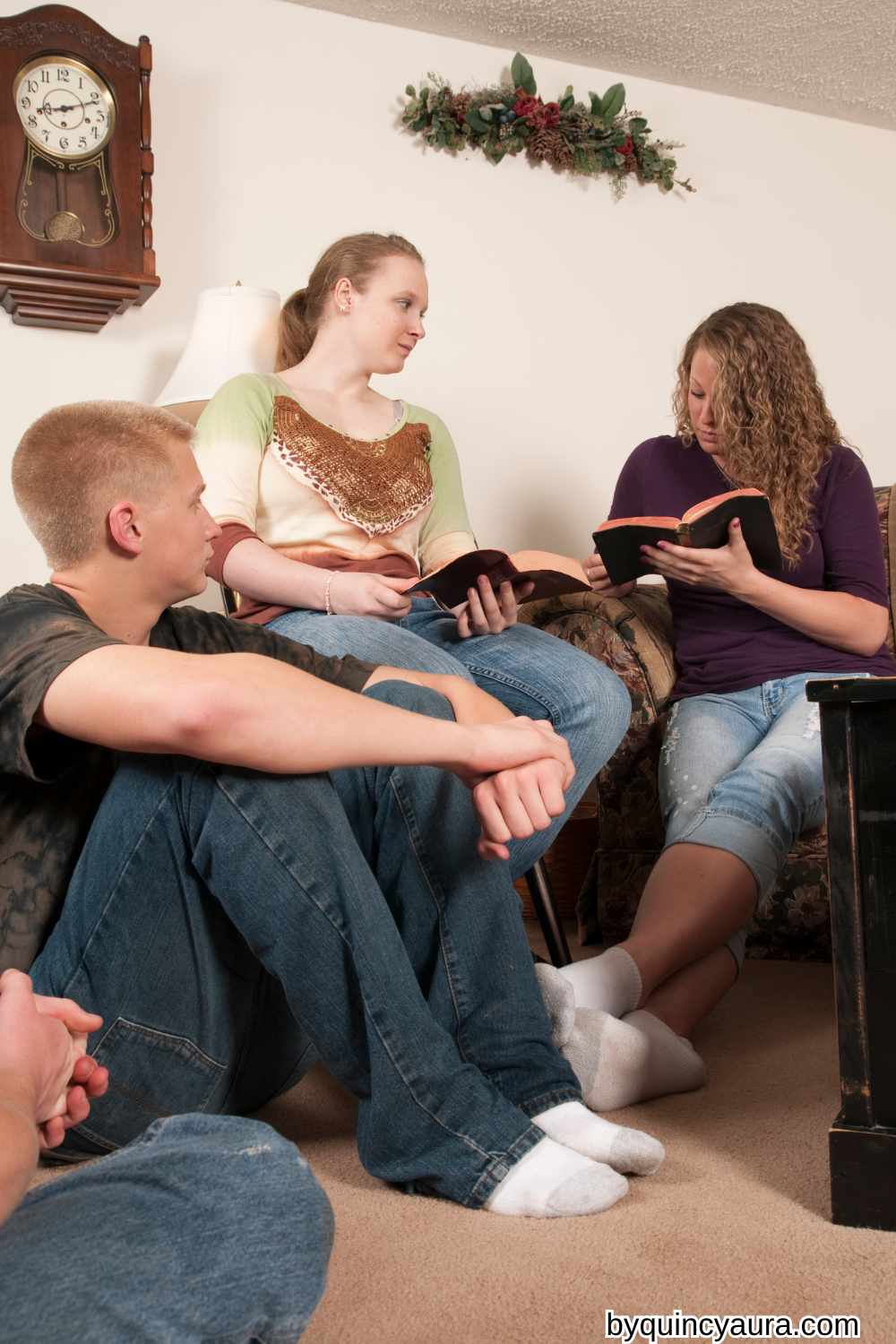
A mid-morning or afternoon devotional can be a wonderful way to pause and reflect together as a family.
Choose a quiet spot, perhaps with everyone sitting in a circle, and read passages from the Bible about Jesus’ resurrection.
After reading, discuss what the verses mean and how they apply to your lives.
Encourage children to share their thoughts or feelings about the story.
This simple, intentional activity helps center the family on faith and makes Easter more meaningful beyond the usual festivities.
17. Make Easter-themed Family Crafts
Decorating your home together can be both creative and spiritually enriching.
Try crafts that incorporate symbols of Easter, like crosses, lilies, or empty tombs.
Children can paint, glue, or assemble items that represent the resurrection story, giving them a hands-on connection to the holiday’s meaning.
You can also use these crafts to inspire your home decor.
For inspiration, check out 15 Farmhouse Easter Decor Ideas, which include charming ways to blend family-made crafts with cozy, faith-filled decor around the house.
18. Decorate Your Front Door for Easter

Welcome guests and family into your home with a festive, faith-centered front door display.
You could hang a wreath adorned with pastel flowers, small crosses, or ribbon in soft Easter colors.
Add a sign with a Bible verse or a cheerful Easter greeting to make the entrance warm and inviting.
This activity is fun for kids too, they can help arrange flowers, tie ribbons, or choose decorative elements.
It’s a simple way to celebrate the holiday and share a glimpse of your faith with everyone who visits.
19. Plant an Easter Garden
Spring and Easter go hand in hand, and planting a small Easter garden is a lovely way to connect with the theme of new life.
Children can plant flowers like tulips or daffodils in pots, arrange stones around a small cross, or even grow fast-sprouting seeds like grass or wheat.
As the plants grow, you can use the garden as a visual reminder of Jesus’ resurrection and the hope of new life.
This hands-on activity is especially meaningful because children can return to it over the season, watching life bloom just as Christ brings new life to the world.


Leave a Reply