Taking care of your locs is not a one-size-fits-all routine. As the seasons change, so do your hair’s needs. What works perfectly in the summer may not be enough during the colder months, and ignoring these changes can lead to dryness, breakage, or buildup.
Many people struggle with maintaining balance throughout the year because they use the same routine regardless of weather conditions. However, your locs respond directly to your environment, which means your care routine should adjust accordingly.
Even practices like maintenance styling need to be approached with care year-round. If you regularly retwist your locs, it is important to do it safely to avoid damage. You can learn the proper method in this guide on how to retwist locs without causing damage so your routine supports healthy growth.
In this post, you will learn the key differences between summer and winter loc care, how each season affects your hair, and practical tips to keep your locs healthy, moisturized, and strong all year long.
Why Seasonal Loc Care Matters
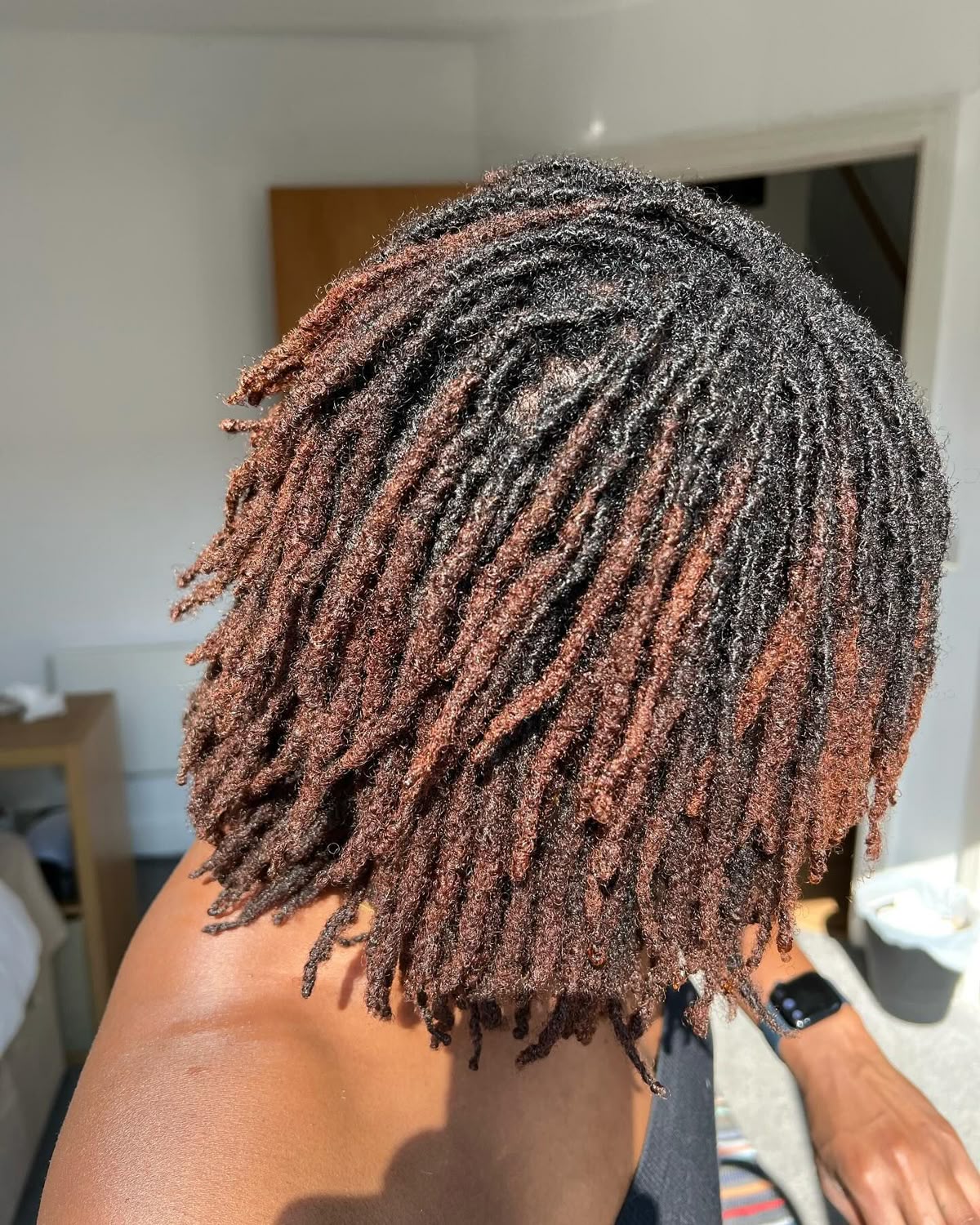
Your locs are constantly exposed to environmental factors like heat, humidity, cold air, and dryness. These elements can either support or damage your hair depending on how you manage them.
In summer, your locs may retain more moisture due to humidity, but you are also more likely to deal with sweat and buildup.
In winter, the air becomes drier, which can strip your locs of moisture and leave them brittle.
Without adjusting your routine, you may notice increased dryness, itching, or even breakage. To stay consistent with healthy habits, it helps to follow daily loc care tips for beginners so your routine remains balanced regardless of the season.
Understanding seasonal changes allows you to take control of your loc health instead of reacting to problems after they happen.
Summer Loc Care Routine
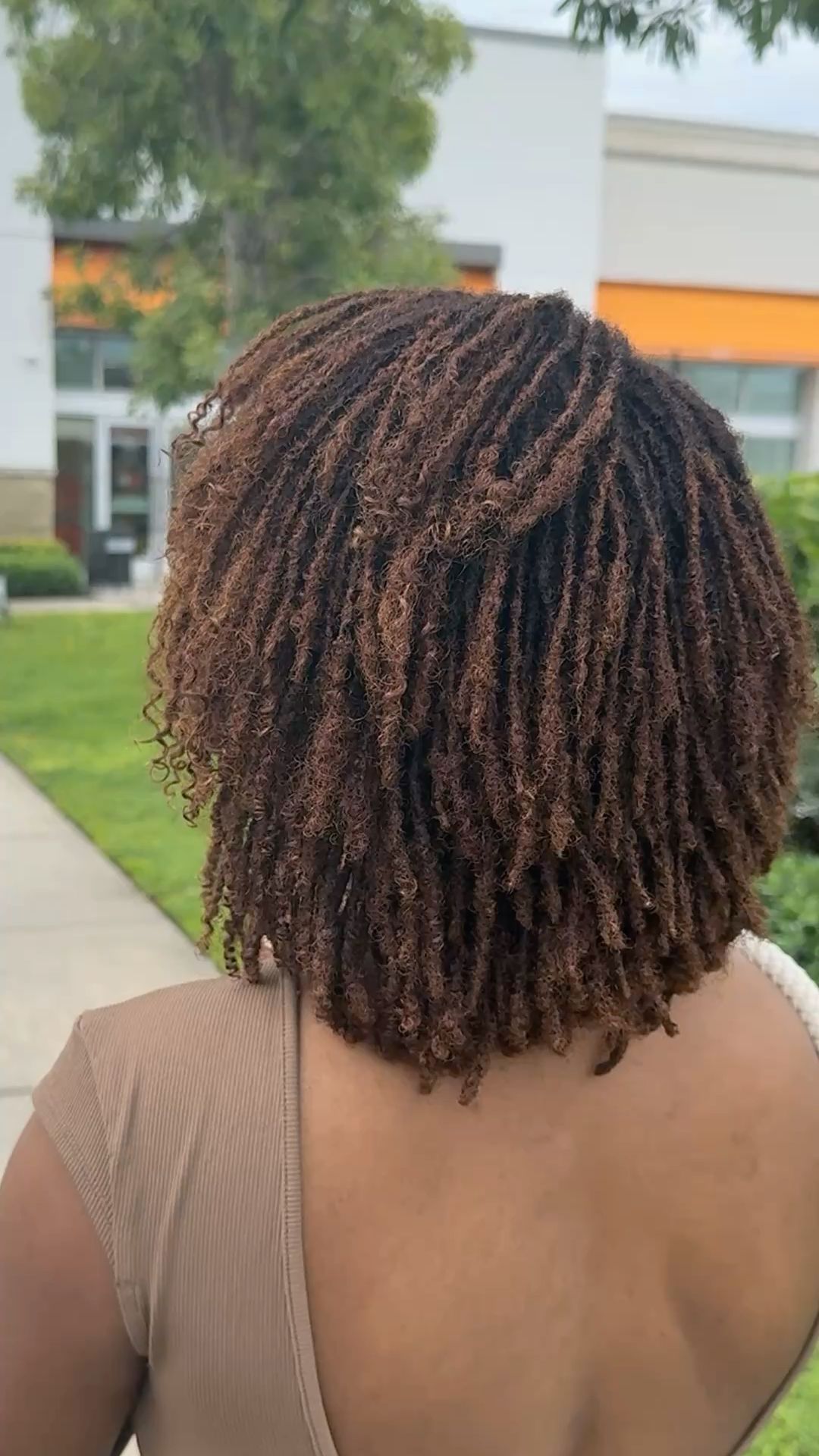
How Summer Affects Your Locs
Summer weather brings heat, humidity, and increased sweating. While humidity can help keep your locs from drying out too quickly, it can also lead to frizz and buildup.
Sweat from your scalp can mix with products and dirt, creating an environment where buildup forms faster. This can lead to itching and discomfort if not managed properly.
1. Wash Your Locs More Frequently
During summer, your scalp produces more sweat, which means you may need to wash your locs more often than usual.
Keeping your scalp clean helps prevent itching, odor, and buildup caused by sweat and product residue.
However, balance is still important. Overwashing without proper moisture can lead to dryness.
To find the right schedule, check out how often you should wash your locs and adjust it based on your lifestyle.
2. Focus on Scalp Hygiene
Your scalp is more active in hot weather, which makes hygiene even more important.
If sweat is left sitting on your scalp for too long, it can cause irritation and itching.
Keeping your scalp clean and refreshed will help you stay comfortable throughout the season.
3. Use Lightweight Products
Heavy products can mix with sweat and create buildup quickly during summer.
Instead, focus on lightweight, water-based products that hydrate your locs without leaving residue behind.
This helps your locs stay clean, light, and breathable.
If buildup is something you struggle with, read how to avoid product buildup in your locs for better results.
4. Keep Your Locs Hydrated
Even though humidity can help retain moisture, your locs still need hydration.
Spending time in the sun can dry out your hair, especially if you are outdoors frequently.
Using water-based sprays and keeping your locs hydrated will prevent dryness and maintain softness.
5. Protect Your Locs From Sun Damage
Excessive sun exposure can weaken your locs over time.
Wearing a hat or scarf when you are outside for long periods can help protect your hair from harsh UV rays.
This simple step can prevent dryness and maintain the strength of your locs.
6. Manage Frizz Naturally
Humidity can cause your locs to become frizzy, especially in the early stages.
Instead of over-styling or using heavy gels, embrace a little frizz as part of the process.
Trying to control it too much can lead to unnecessary product use and buildup.
Winter Loc Care Routine
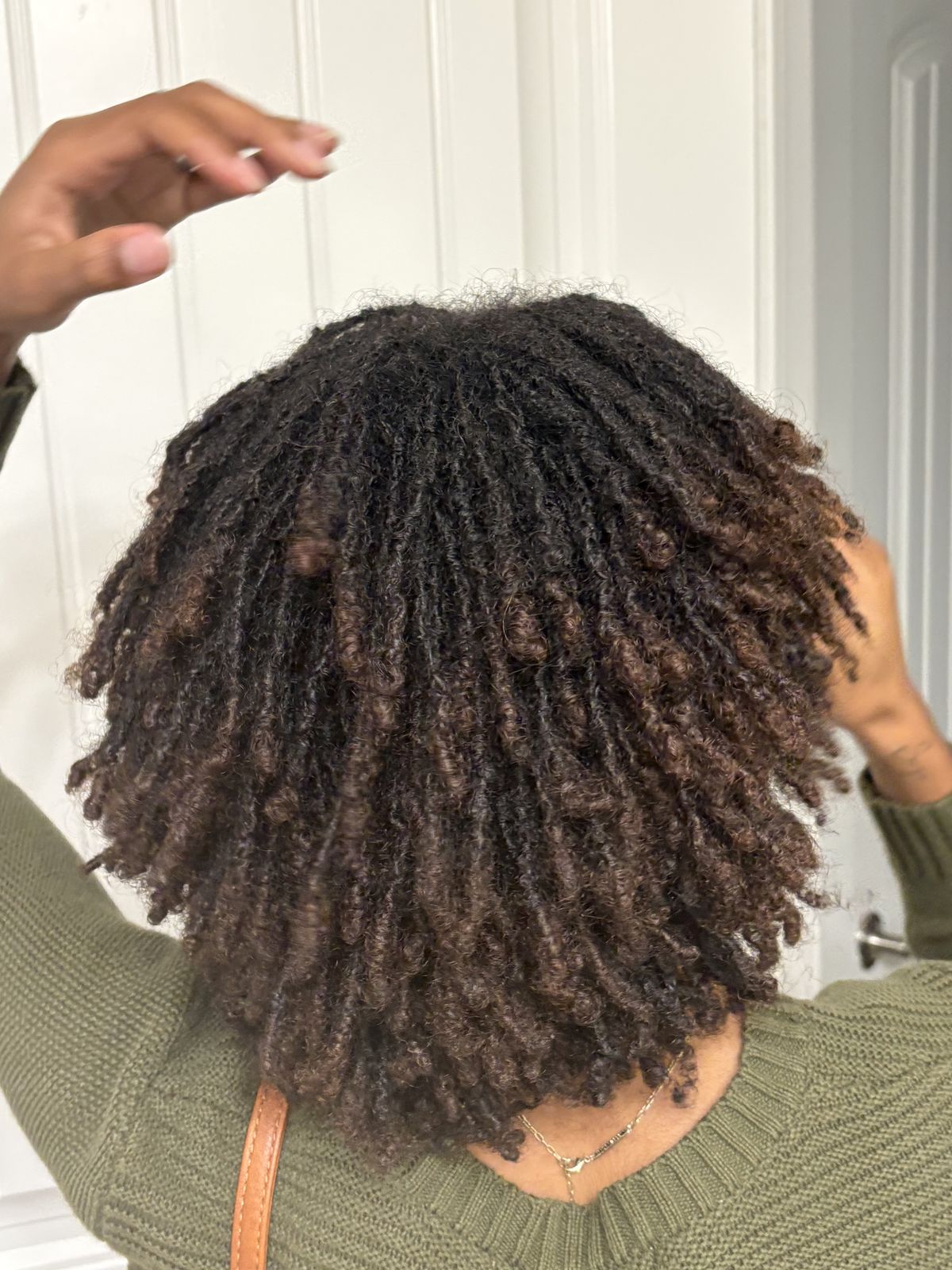
How Winter Affects Your Locs
Winter brings cold air and low humidity, which can strip moisture from your locs.
This often leads to dryness, brittleness, and increased risk of breakage.
Indoor heating can make things even worse by reducing moisture levels in the air.
1. Increase Moisture Retention
Winter is the season where moisture becomes your top priority.
Your locs lose moisture faster in cold weather, so you need to be more intentional about hydration.
Using water regularly and sealing in moisture will help your locs stay soft and flexible.
To build a strong routine, read how to keep your locs moisturized naturally and prevent dryness.
2. Reduce Washing Frequency
Unlike summer, you may not need to wash your locs as often in winter.
Overwashing in cold weather can strip your hair of its natural oils, making it even drier.
Spacing out your wash days while maintaining scalp cleanliness is key.
3. Protect Your Locs at Night
Cold weather combined with friction from pillows can lead to dryness and breakage.
Using a satin bonnet or scarf helps your locs retain moisture while you sleep.
This simple habit is essential during winter months.
4. Avoid Dry Air Exposure
Spending time in dry environments can quickly remove moisture from your locs.
If possible, use a humidifier indoors or lightly mist your locs to maintain hydration.
Keeping moisture levels balanced will protect your locs from becoming brittle.
5. Be Gentle With Your Hair
Dry locs are more fragile and prone to breakage.
Handling your locs gently during winter will help prevent unnecessary damage.
Avoid excessive styling or manipulation during this time.
To protect your locs further, check out how to prevent breakage in new locs and build better habits.
Year-Round Loc Care Tips
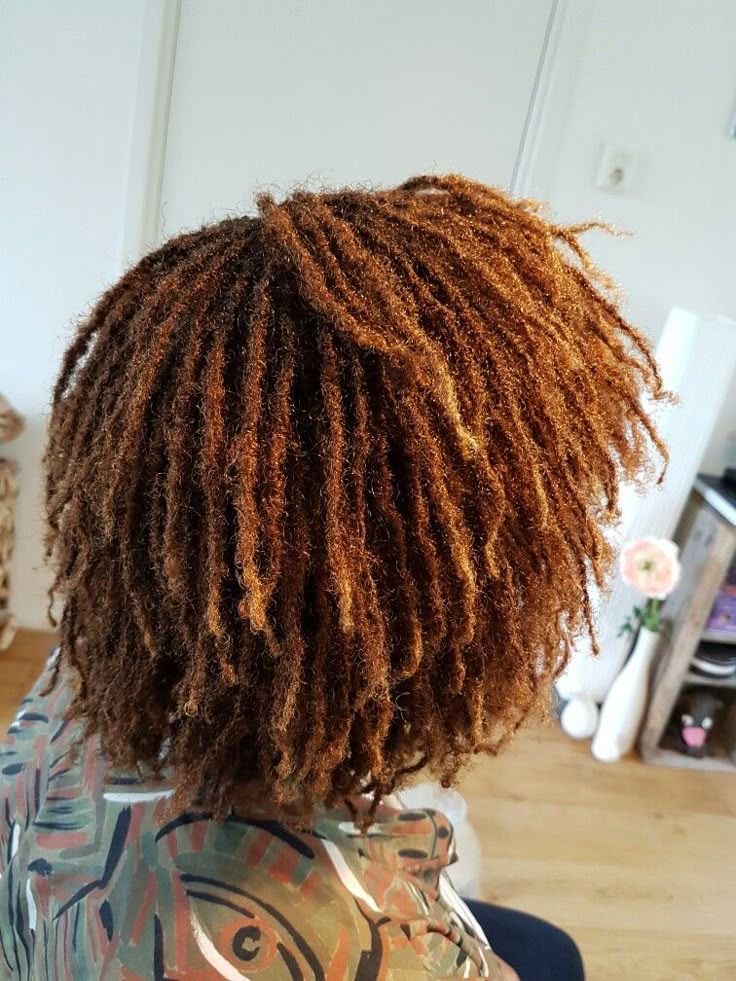
1. Listen to Your Hair
Your locs will always show signs of what they need.
If they feel dry, heavy, or irritated, it is a signal to adjust your routine.
Paying attention to these signs will help you maintain healthy locs in any season.
2. Stay Consistent With Your Routine
Consistency is what keeps your locs healthy over time.
Switching routines too often or neglecting care can lead to issues like dryness or buildup.
Keeping a simple and consistent routine will make seasonal adjustments easier.
3. Avoid Following Every Trend
Not every tip you see online will work for your hair.
Some trends can actually harm your locs, especially when they involve heavy products or excessive styling.
To avoid misinformation, read the truth about loc myths beginners need to ignore and focus on proven methods.
4. Understand Your Loc Journey
Your loc care routine will evolve over time as your hair grows and matures.
What works for you now may need to be adjusted later.
Understanding your journey will help you make better decisions and avoid unnecessary damage.
Final Thoughts
Seasonal loc care is all about understanding how your environment affects your hair and adjusting your routine accordingly.
Summer requires more focus on cleanliness and lightweight care, while winter demands extra attention to moisture and protection.
By making small adjustments throughout the year, you can prevent dryness, buildup, and breakage before they become serious problems.
The goal is not perfection but consistency. When you stay in tune with your locs and respond to their needs, you create a routine that supports healthy growth all year long.
With time, patience, and the right habits, your locs will remain strong, hydrated, and beautiful no matter the season.
Leave a Reply