This site contains affiliate links, which means I may earn a small commission If you click on a link and make a purchase, at no extra cost to you.
Friendsgiving can be one of the most relaxed ways to celebrate Thanksgiving. You get to bring your favorite people together, eat good food, laugh for hours, and create your own traditions without feeling like everything has to look formal.
The only problem is that the costs can add up quickly.
Food, drinks, decorations, serving dishes, table linens, and all the little extras can turn a simple dinner into an expensive event. The good news is that Friendsgiving does not need to be expensive to feel special.
Start with the people, then build the celebration around what you already have.
If you are also trying to keep the rest of the holiday home simple, How to Make Your Thanksgiving Home Feel Cozy Without Overdecorating has ideas that can help you create a warm atmosphere without filling every room with decorations.
Set a Realistic Friendsgiving Budget
Before you invite everyone, decide how much you are comfortable spending.
This gives you a limit to work with instead of buying things as you go and realizing later that the total has become much higher than expected.
Your budget can include food, drinks, decorations, disposable items, and anything else you actually need.
Write down the amount you want to spend, then decide which parts matter most.
For example, you may want to spend more on the food and very little on decorations. Or perhaps you already have plenty of food but want to make the table look nice.
Knowing your priorities makes it much easier to decide what to skip.
Make It a Potluck
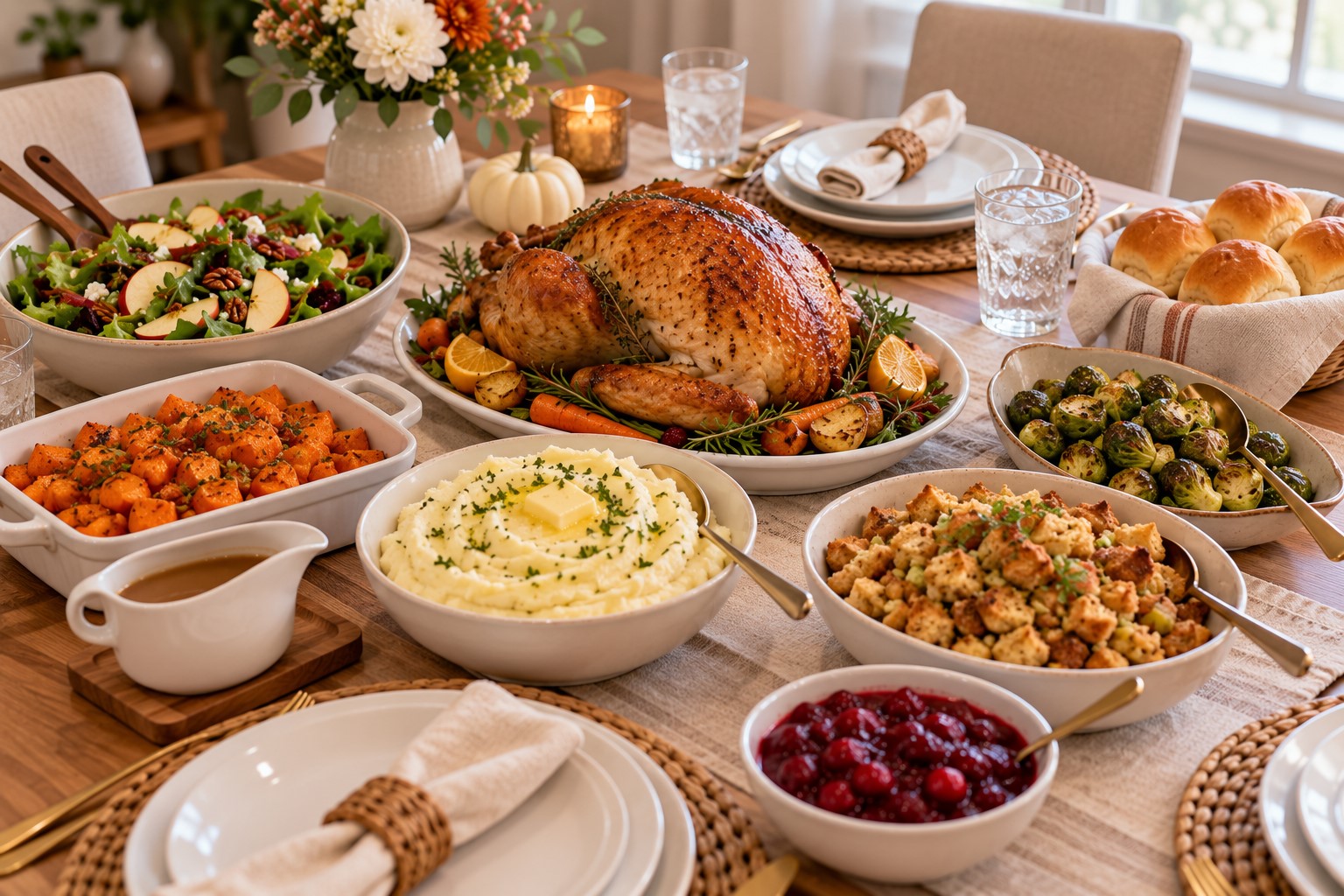
One of the easiest ways to lower the cost is to stop trying to cook everything yourself.
Friendsgiving is perfect for a potluck.
You can provide the main dish while everyone else brings a side, dessert, appetizer, or drink.
Keep the system simple so you do not end up with five desserts and no vegetables.
Create a basic list of categories and let people choose what they want to bring.
For example:
- Main dish
- Two or three sides
- Appetizer
- Bread
- Dessert
- Drinks
You can also ask guests what they plan to bring before the day so you know the menu is balanced.
This takes some pressure off the host and makes everyone feel involved.
Cook the Foods That Matter Most
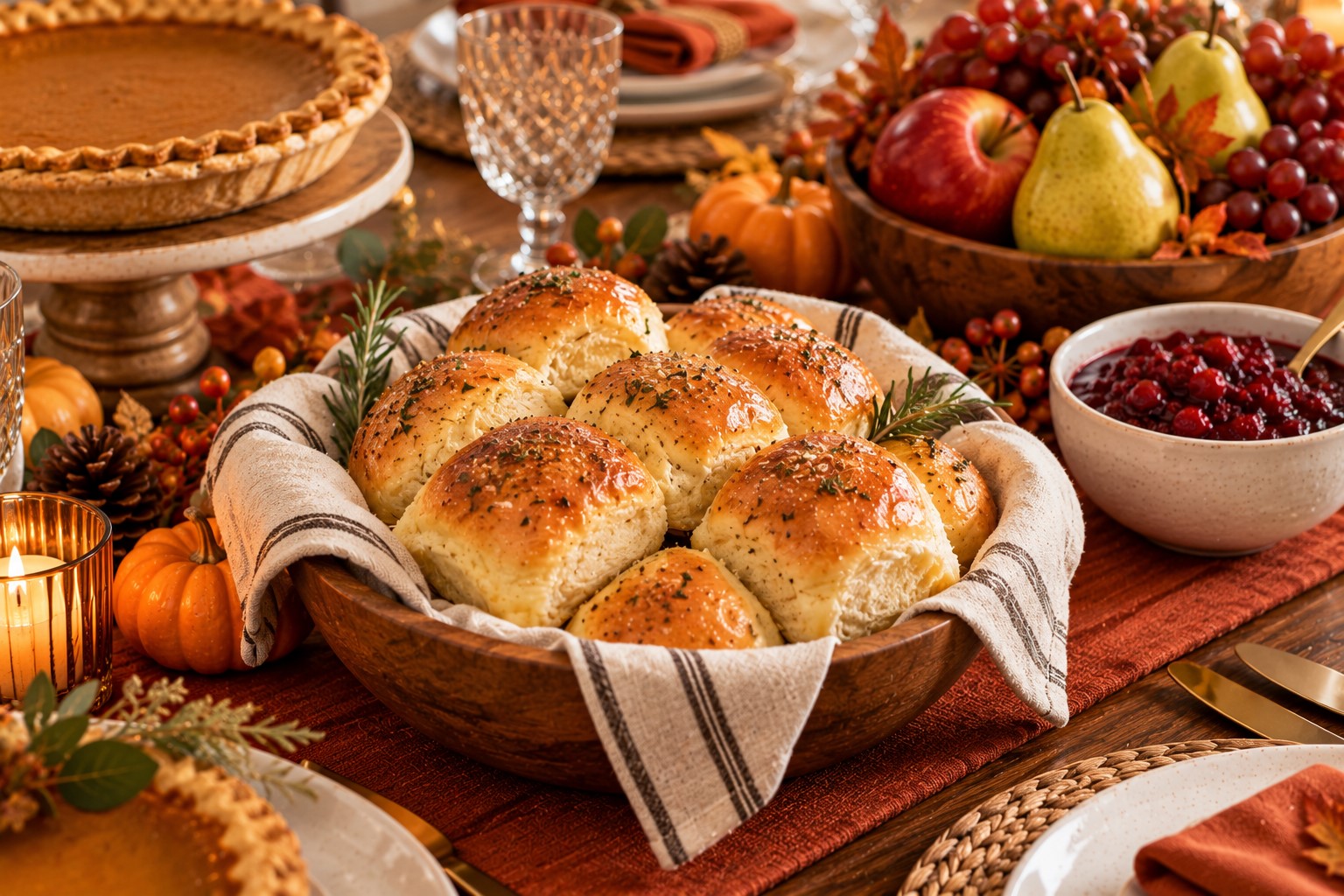
You do not need to recreate an enormous Thanksgiving menu.
Choose the dishes your group actually enjoys.
If nobody is excited about cranberry sauce, skip it.
If everyone loves mashed potatoes, make those.
If your friends have a favorite dessert, make room for it.
A smaller menu can still feel abundant when the food is chosen thoughtfully.
You can also choose dishes that use affordable ingredients.
Potatoes, pasta, seasonal vegetables, rice, bread, and simple desserts can feed several people without requiring expensive ingredients.
If you want more ideas for keeping a Thanksgiving menu manageable, How to Plan a Thanksgiving Dinner for a Small Gathering has useful ways to simplify the meal.
Shop Your Home Before Buying Decor
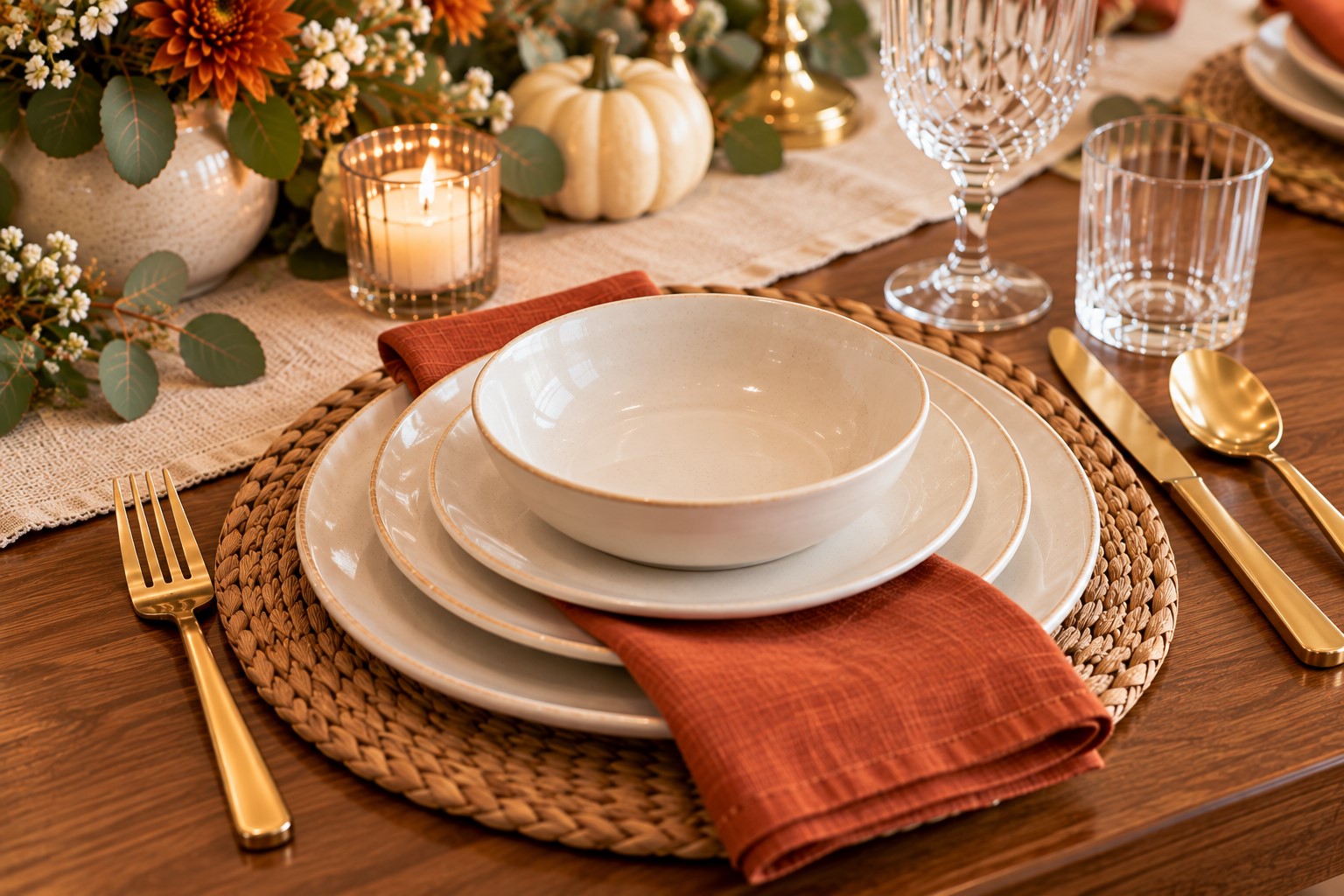
Before you go shopping for Friendsgiving decorations, walk around your home.
Look at your kitchen cabinets, dining room, living room, and storage areas.
You may already have everything you need.
White plates can become Thanksgiving plates. A neutral table runner can work beautifully. Glass jars can become candle holders. A wooden tray can hold the centerpiece.
You can also reuse fall decorations.
Small pumpkins, dried leaves, branches, baskets, candles, and neutral textiles can all work for Friendsgiving.
For more ideas, How to Make Thanksgiving Decorations From Things You Already Have is a great place to start before buying anything new.
Keep the Table Simple
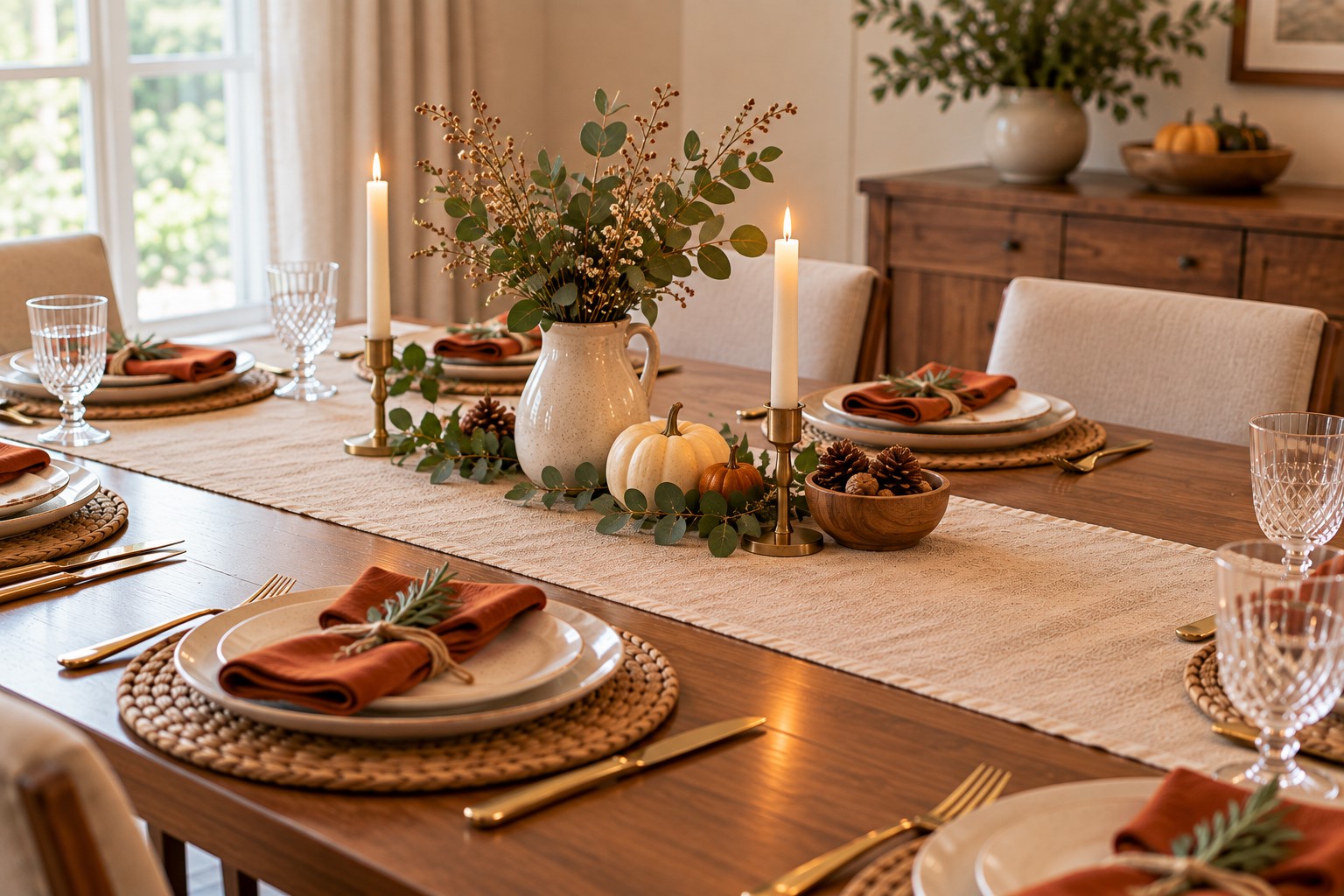
You do not need a heavily decorated table to make Friendsgiving feel special.
Start with a clean table.
Add a simple runner or placemats, then bring in a few seasonal details.
A few mini pumpkins, candles, greenery, or dried branches can be enough.
If you want to add something inexpensive, [Amazon: Neutral Thanksgiving Table Runner] can instantly give the table a finished look while still being useful beyond Thanksgiving.
Keep the centerpiece low so people can see one another across the table.
Friendsgiving is about conversation, so you do not want decorations blocking everyone’s view.
Use Candles Instead of Lots of Decorations
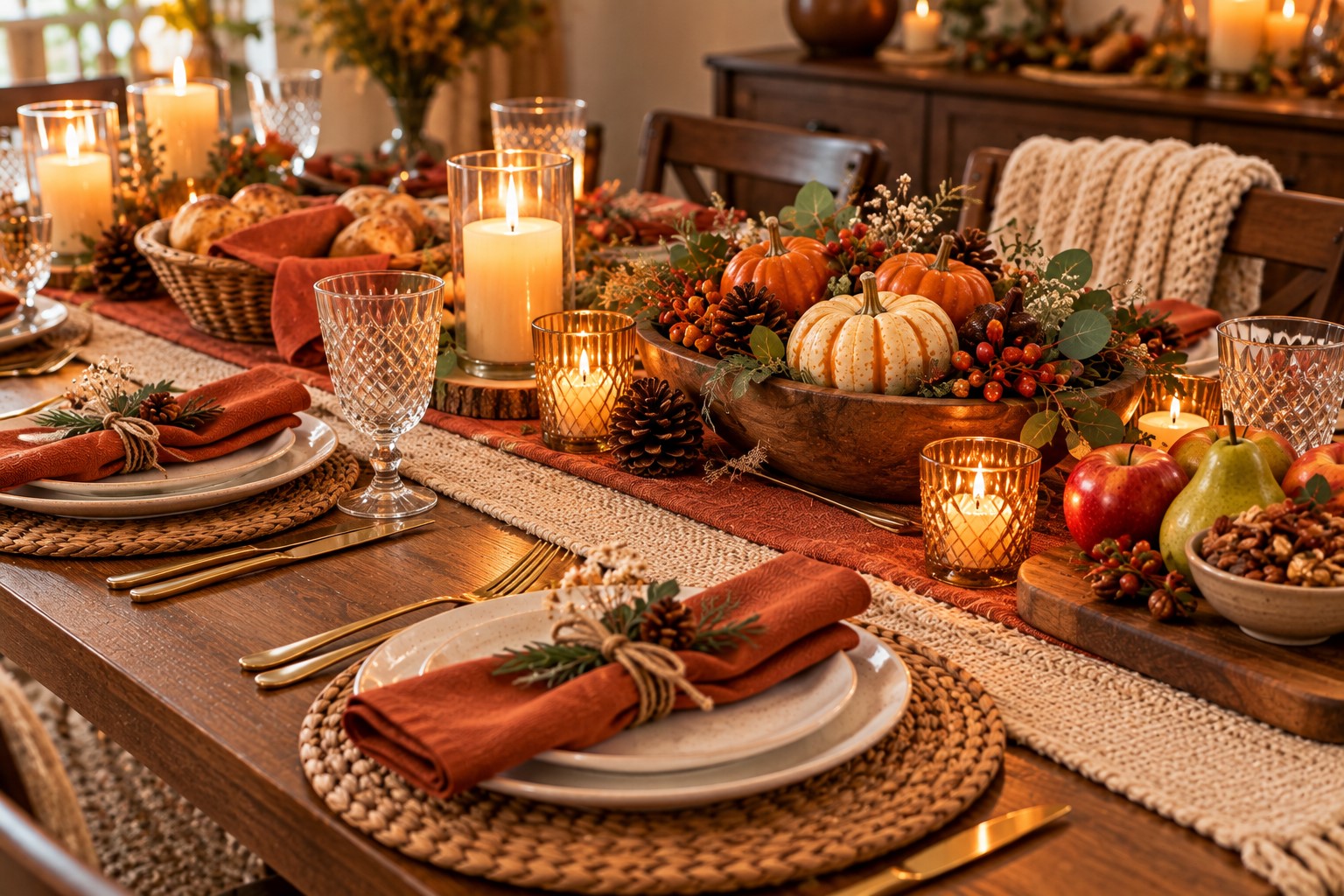
Candles can make a room feel festive without requiring much else.
Place a few small candles around the dining room or living room.
You can use simple glass holders, small jars, or holders you already own.
If you are worried about open flames, [Amazon: Flameless LED Tea Lights] are an easy option.
They can be placed around the table, on a sideboard, or on a coffee table.
You also do not need to use a lot. A few warm lights can make a bigger difference than a table covered in decorations.
Create a DIY Centerpiece
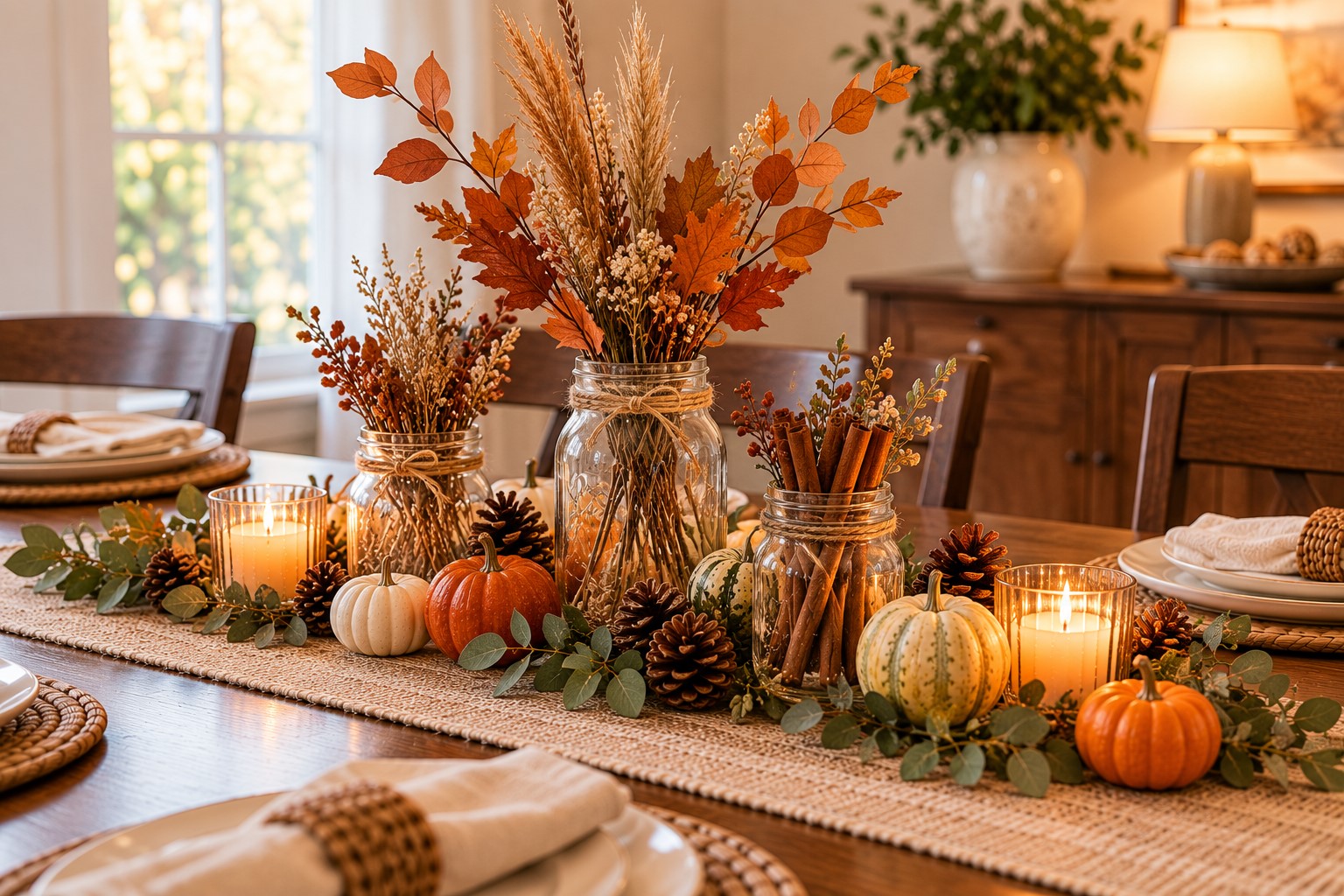
A centerpiece does not need to come from a home decor store.
Look outside for inspiration.
A few branches in a glass vase can look beautiful. So can dried leaves arranged around candles.
You could place small pumpkins in a wooden bowl or use a tray to group together candles, pinecones, and greenery.
If you have fruit in the kitchen, apples or pears can also become part of the centerpiece.
This is especially useful because the food itself can become part of the decor.
For more ideas, How to Create a Thanksgiving Centerpiece Without Buying Fresh Flowers has simple options that work well for a casual gathering.
Make the Drinks Self-Serve
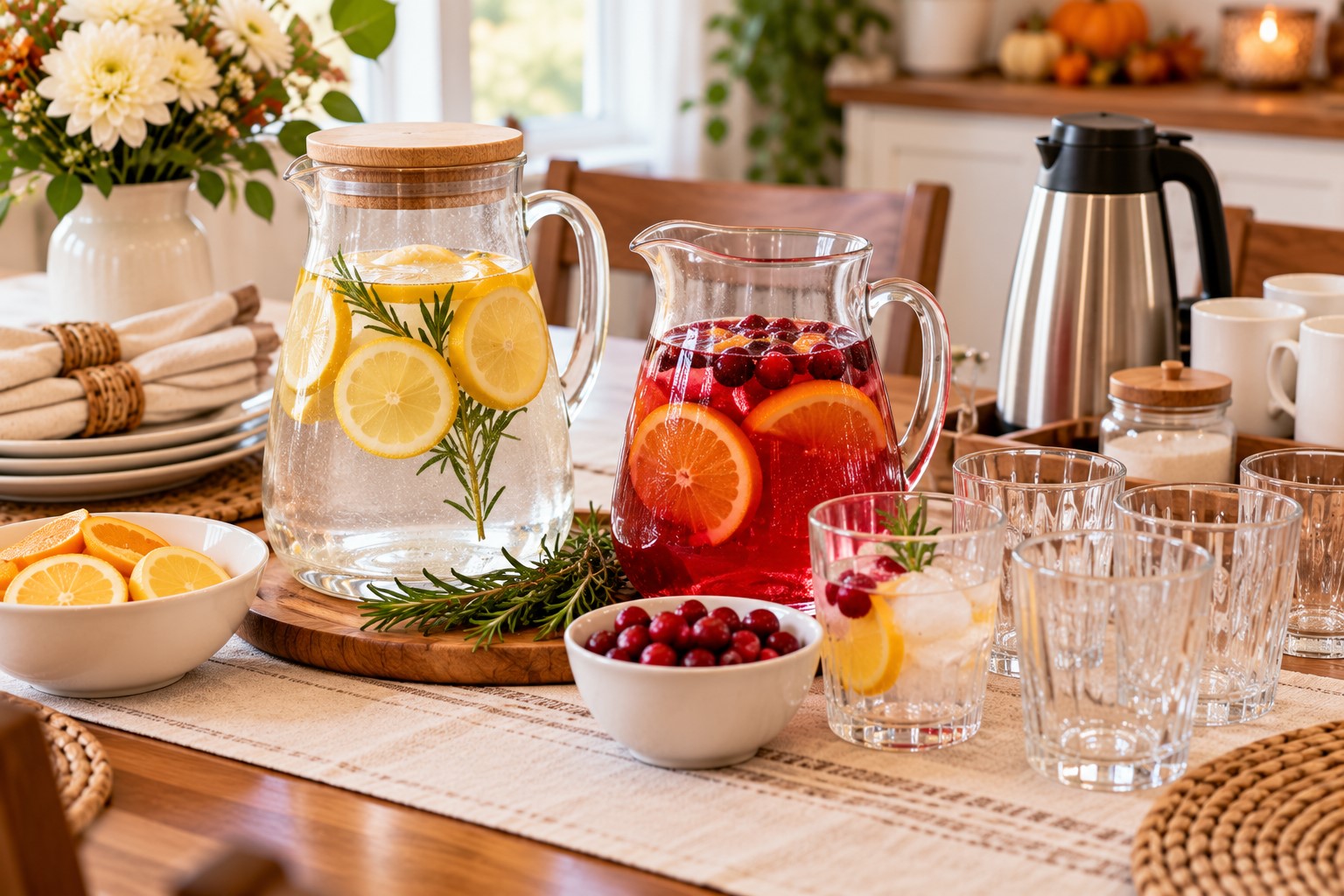
A self-serve drink station can save you from constantly getting drinks for everyone.
Set up a small table, kitchen counter, or sideboard with glasses, napkins, water, and one or two other drink choices.
You could also make a large pitcher of lemonade, iced tea, or another drink that guests can pour themselves.
[Amazon: Glass Drink Dispenser With Stand]
You do not need a huge selection.
Two or three choices are plenty for a casual Friendsgiving.
Keep extra drinks in the refrigerator so guests can refill their glasses without asking.
Ask Friends to Bring Drinks
Drinks can become surprisingly expensive when one person buys everything.
Let your friends contribute.
One person can bring sparkling water. Someone else can bring wine or another drink they enjoy. Another friend can bring a non-alcoholic option.
You can simply say what you already have and ask everyone to bring something they would like to drink.
This makes the gathering feel collaborative instead of like the host is responsible for every detail.
Make the Appetizers Simple
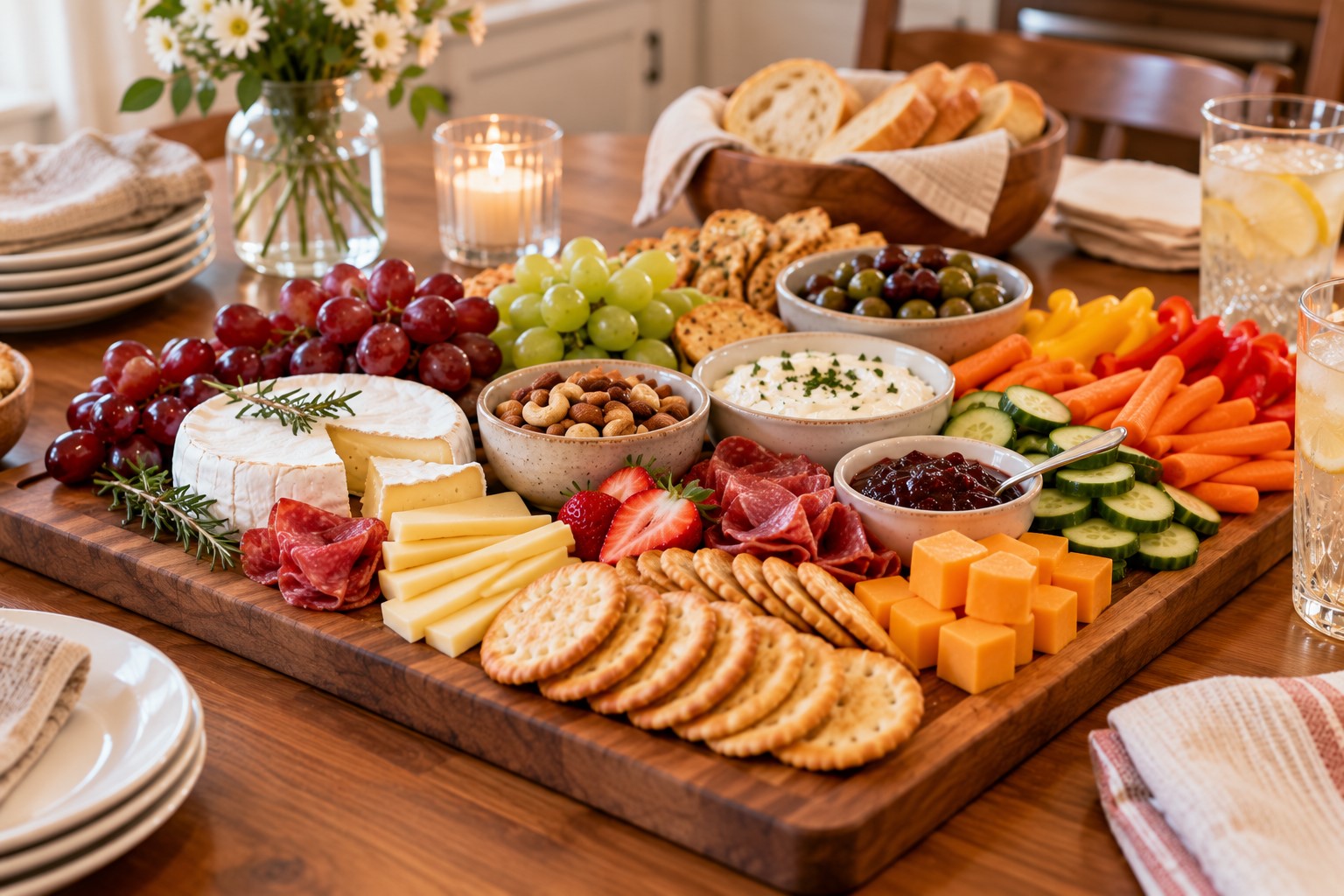
You do not need several appetizers before dinner.
Choose one or two things people can easily grab while they talk.
A cheese and cracker board can work. So can vegetables with dip, popcorn, fruit, bread, or a simple baked appetizer.
You can make a small snack board look generous by arranging everything neatly on a wooden board.
[Amazon: Large Wooden Charcuterie Board]
Use foods you already have when possible.
A few crackers, fruit, cheese, nuts, and vegetables can become a casual appetizer without requiring an expensive specialty platter.
Use What You Already Have for Serving
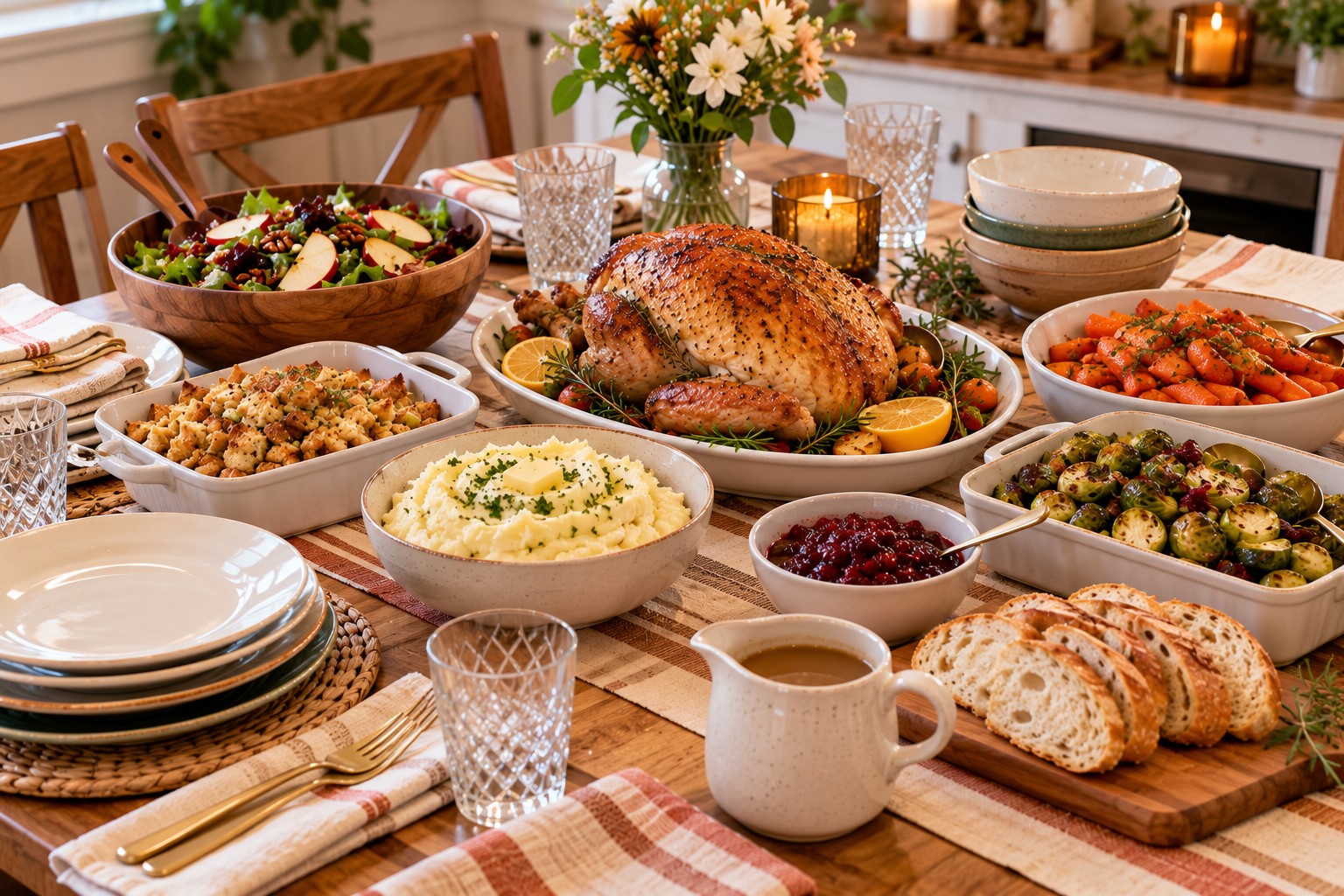
Do not buy a new serving set just because you are hosting Friendsgiving.
Mixing different plates and bowls is completely fine.
A large dinner plate can hold roasted vegetables. A regular bowl can serve salad. A cutting board can hold bread.
If you have a few mismatched pieces, use them together.
A relaxed gathering does not need everything to match.
You can create a more coordinated look by keeping the colors similar. White, cream, wood, glass, and neutral ceramics naturally work well together.
Make Dessert a Group Effort
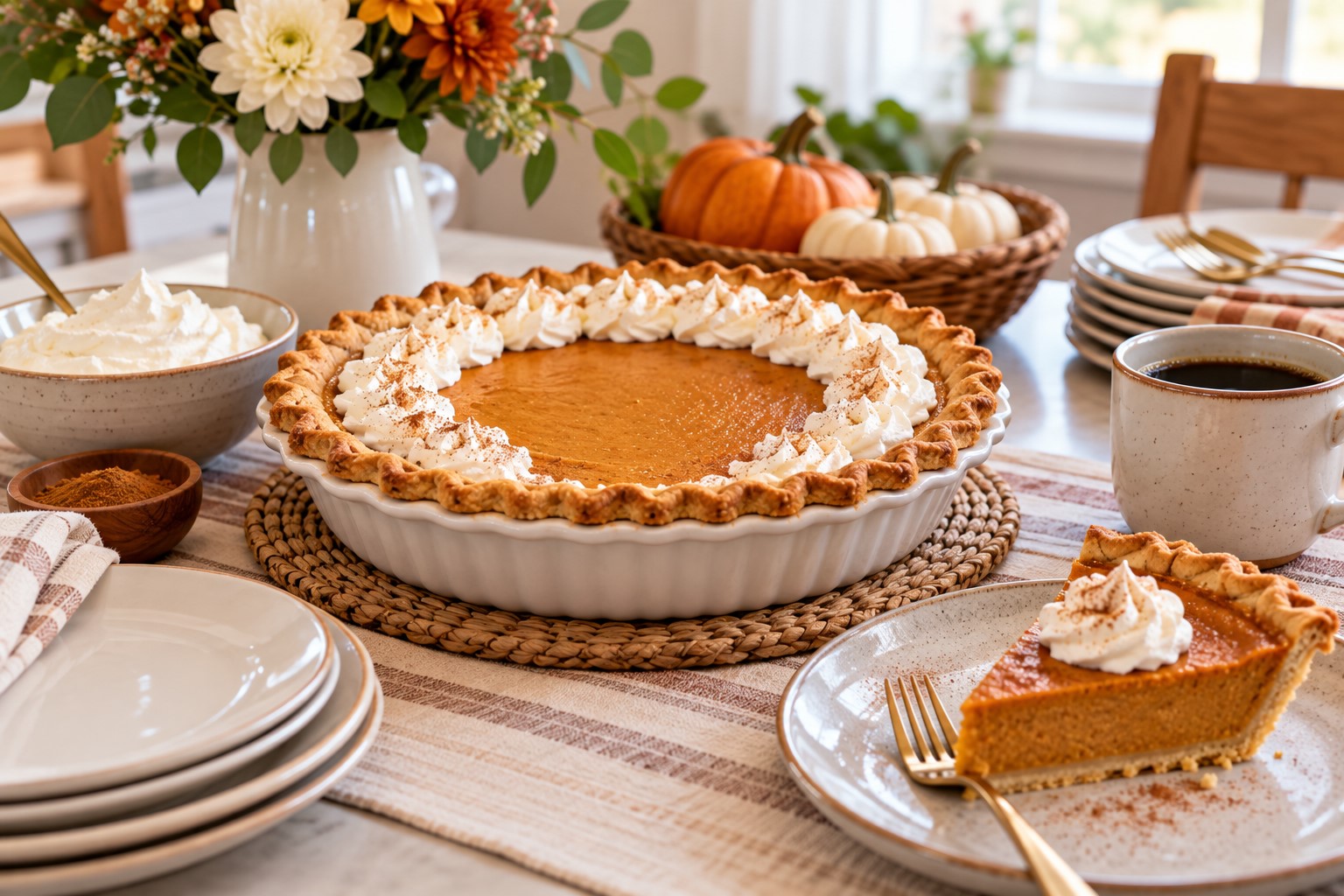
Dessert is another easy place to share the cost.
Ask someone to bring cookies. Another person can bring a pie. Someone else can bring brownies or another favorite dessert.
You can also serve one homemade dessert with coffee and tea.
There is no need to create an enormous dessert table.
If you want to make dessert a little more interactive, set out toppings that people can add themselves.
Whipped cream, cinnamon, caramel sauce, berries, or chocolate can turn one dessert into several options.
Use Disposable Items Only Where They Help
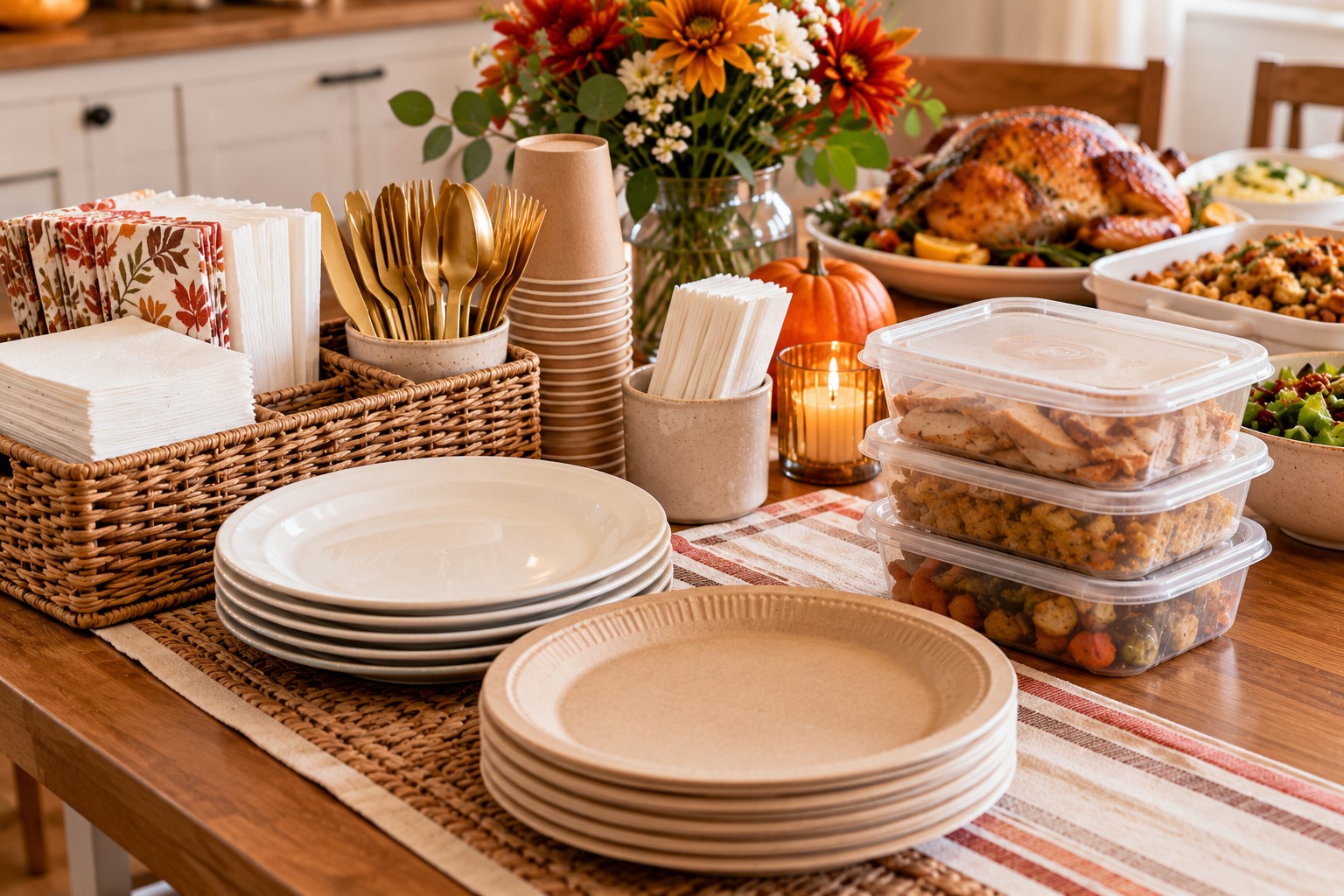
Disposable plates, cups, napkins, and utensils can make cleanup easier, but buying everything disposable can also increase the cost.
Use the reusable dishes you already have when possible.
Save disposable items for areas where they genuinely make sense.
For example, paper napkins can be easier than washing a large number of cloth napkins. Compostable food containers can be useful if you expect guests to take leftovers home.
[Amazon: Compostable Food Storage Containers With Lids]
The goal is not to avoid spending money completely.
It is to spend money on things that actually make the gathering easier.
Give Everyone a Small Job
You do not have to handle everything yourself.
Friends can help set the table, arrange drinks, bring food into the dining room, or clear plates after dinner.
Make the tasks casual.
Someone can refill the drinks while another person gathers empty plates.
You can even ask one friend to control the music while another handles dessert.
This keeps the host from becoming the only person working throughout the evening.
Focus on the Atmosphere, Not the Amount of Decor
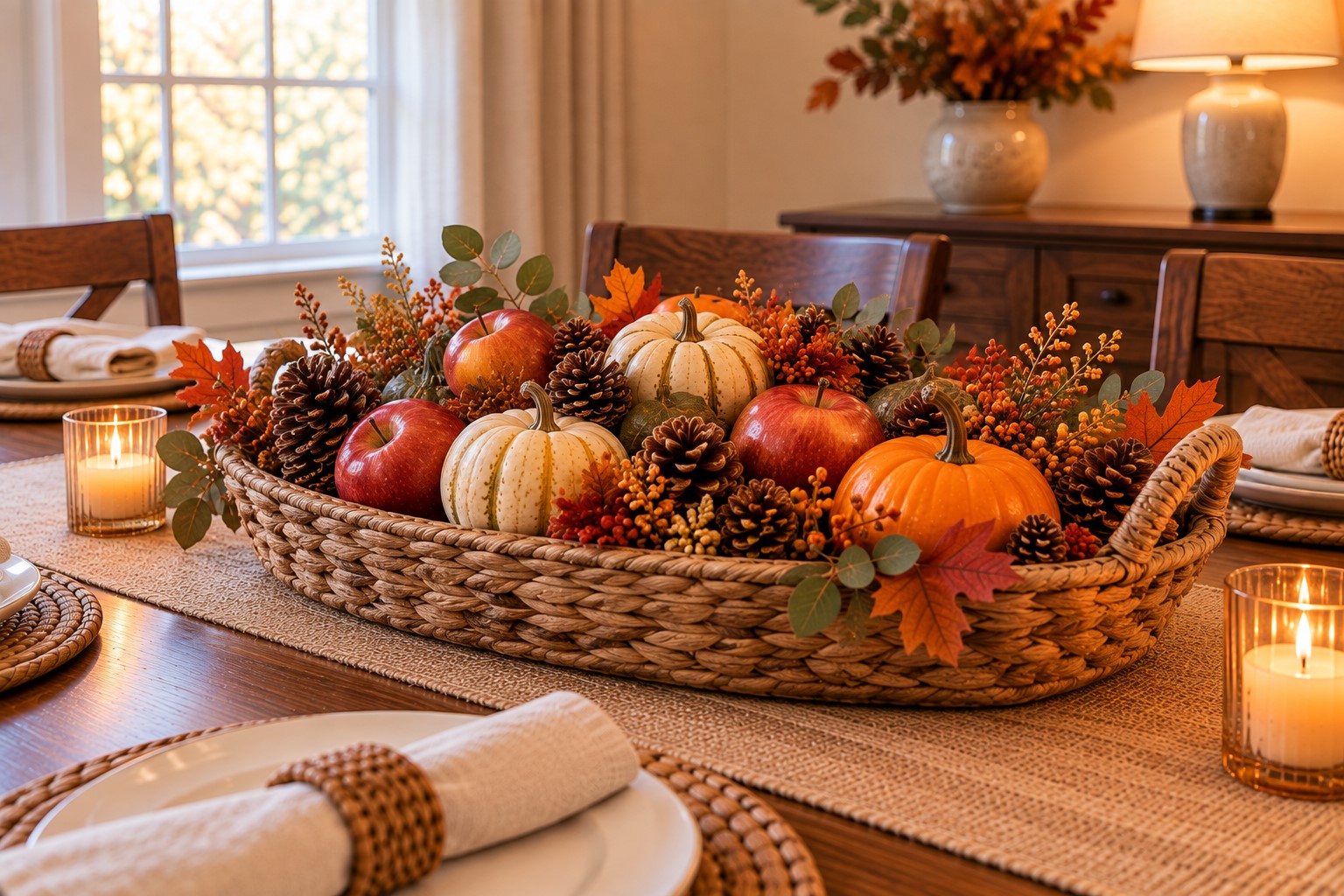
Friendsgiving can look beautiful with very little decoration.
A clean table, warm lighting, good food, music, and people you enjoy can create most of the atmosphere.
You do not need a house filled with themed signs and matching decorations.
If you want to make the dining room feel a little more polished, focus on texture.
A linen runner, simple candles, wooden serving pieces, and greenery can make a casual table feel thoughtful without costing much.
If you like the idea of a more polished table without spending heavily, How to Create an Elegant Thanksgiving Table on a Budget has more ideas you can adapt for Friendsgiving.
The best budget Friendsgiving is not the one where nobody spends any money. It is the one where the money you do spend actually improves the experience.
Choose the food people love, share the workload, reuse the things you already own, and keep the decorating simple.
Make a Simple Friendsgiving Food Plan
Once everyone has agreed on what they are bringing, write down the final menu.
This prevents accidental repeats and lets you see if anything important is missing.
You might have one person bringing the main dish, two people bringing sides, someone bringing bread, and another person bringing dessert. That is already enough for a good meal.
Keep the menu realistic. If someone is bringing a dish that needs to be served hot, find out ahead of time so you know how much oven or stovetop space you will need.
You can also ask friends to bring food in serving dishes that can go straight onto the table. That saves you from transferring everything into your own dishes at the last minute.
Choose Affordable Foods That Still Feel Special
A budget-friendly meal does not have to look cheap.
Roasted potatoes, baked vegetables, homemade stuffing, pasta salads, cornbread, rolls, and simple casseroles can all look beautiful when served well.
Use seasonal ingredients where possible because they can stretch across several dishes.
For example, roasted vegetables can become a side dish, while leftover vegetables can be added to a salad or grain bowl the next day.
The same idea applies to bread, herbs, fruit, and other ingredients.
If you are planning a smaller gathering, How to Plan a Thanksgiving Dinner for a Small Gathering can help you keep portions and menu choices under control.
Make a Small Snack Station
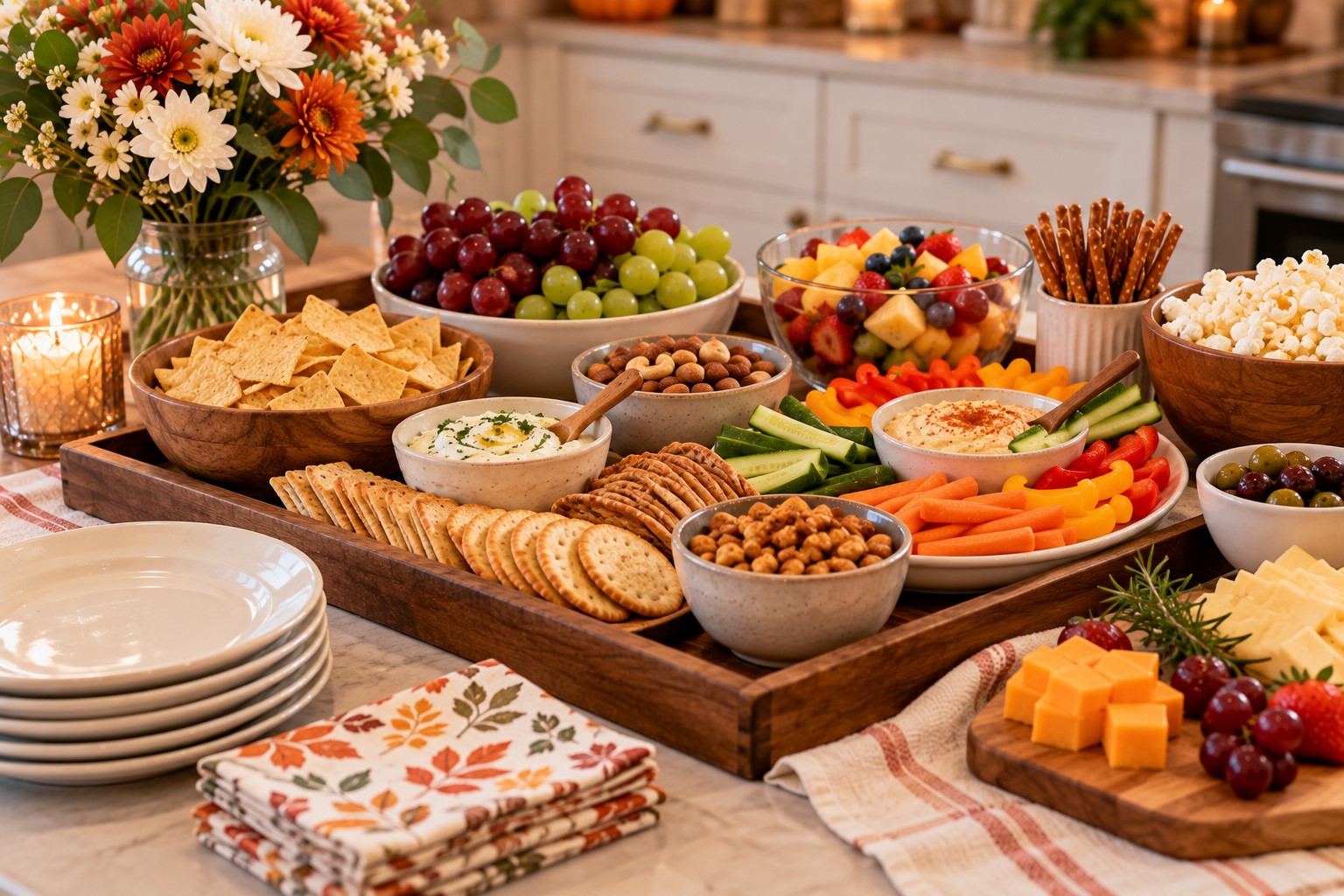
Instead of putting appetizers all over the house, create one small snack area.
A tray on the kitchen counter or a small table can hold crackers, fruit, nuts, vegetables, and dip.
This keeps the food contained and gives people somewhere to gather while dinner is being prepared.
You can use bowls and serving boards you already have.
If you want one inexpensive item that makes the setup easier, [Amazon: Reusable Bamboo Serving Tray] can be used for appetizers, drinks, or dessert.
Keep the station simple so it does not compete with the main meal.
Create a Friendsgiving Playlist
Music costs nothing, but it can completely change the atmosphere.
Make a playlist before guests arrive so you are not trying to choose songs while cooking.
Start with something relaxed while people arrive, then use more upbeat music later if your group enjoys it.
You can also ask friends to add a few songs before the event.
This makes the playlist feel like something everyone contributed to.
You do not need special speakers or equipment. Use whatever setup you already have at home.
Plan One Simple Group Activity
You do not need a full entertainment schedule.
Friendsgiving is usually more fun when people have time to talk.
Still, one simple activity can be useful if there is a quiet moment after dinner.
Try a Thanksgiving trivia game, card game, conversation cards, or a simple guessing game.
You could also ask everyone to write down one funny memory from the year and have people guess who wrote each one.
Keep the activity optional.
People may be perfectly happy sitting around the table and talking.
Make the Table Feel Finished With Small Details
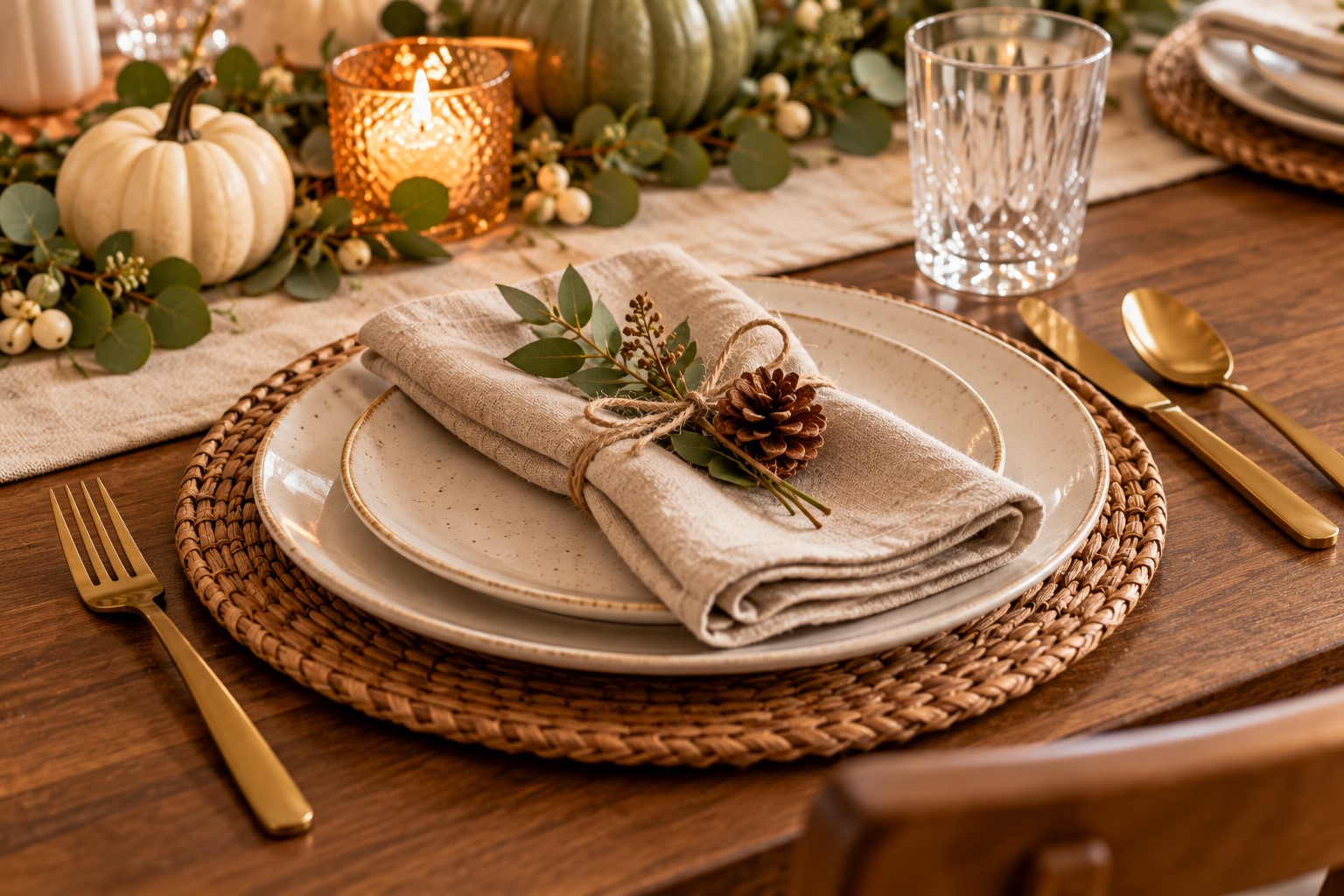
A budget table can still look thoughtful.
Fold the napkins neatly. Put drinks in a pitcher. Add a few candles. Use a simple centerpiece.
If you already have neutral dishes, let them do most of the work.
For another simple decorating approach, How to Create a Neutral Thanksgiving Table That Still Feels Festive has ideas for creating a warm table without buying lots of seasonal pieces.
You can also add a small place card for each guest.
Write their name on a paper leaf or small card and place it beside the plate.
It costs almost nothing but makes the table feel more personal.
Make Leftovers Easy to Take Home
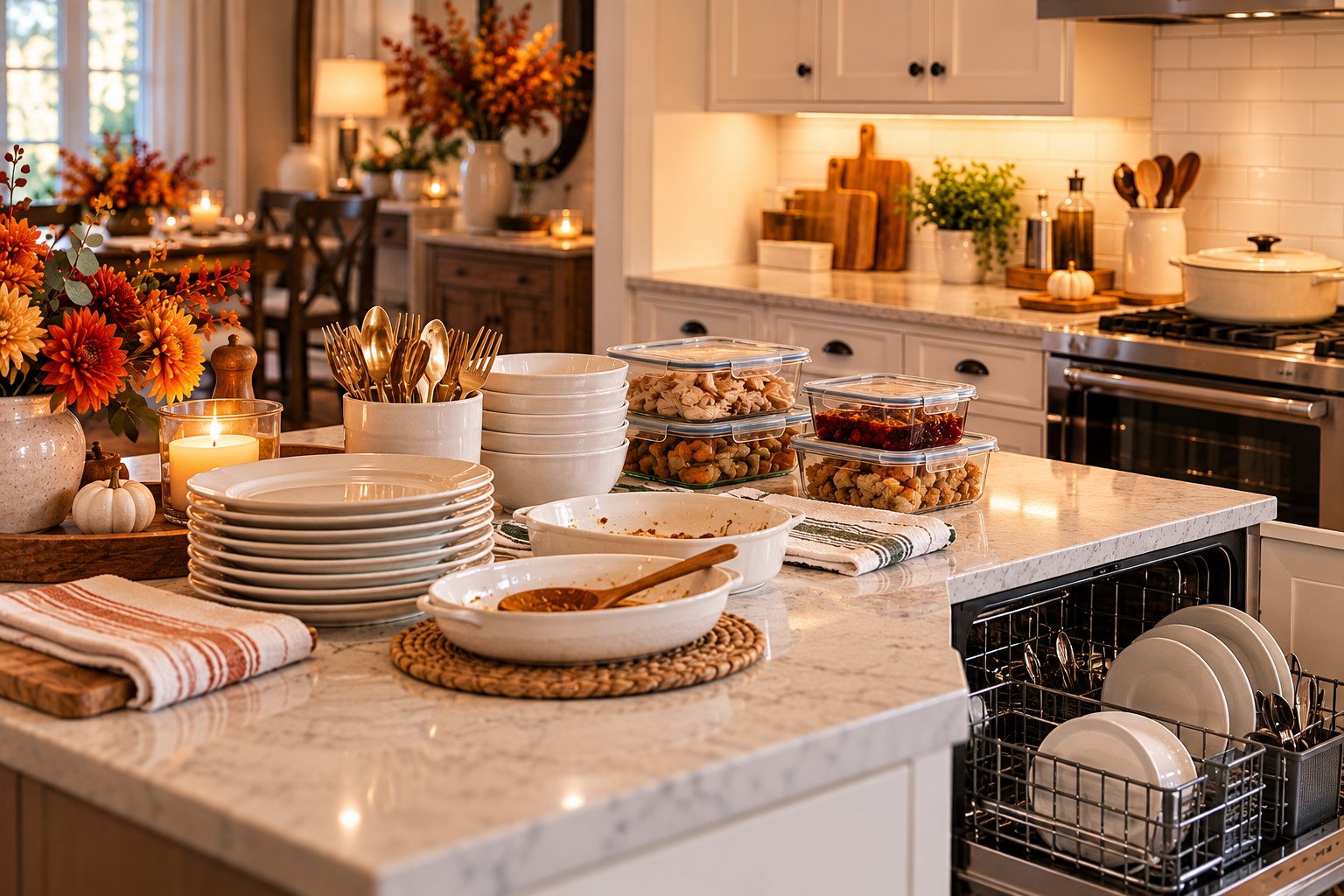
Friendsgiving often leaves you with more food than you expected.
Instead of buying expensive containers just for the occasion, ask guests to bring a container from home if they want leftovers.
You can also keep a few inexpensive food containers available for anyone who forgets.
[Amazon: Disposable Takeout Food Containers With Lids]
Divide leftovers as you clean up instead of leaving everything sitting on the counter.
This also means you will not wake up the next morning with a refrigerator full of random half-empty serving dishes.
If you want ideas for turning the leftovers into another meal, How to Make Thanksgiving Leftovers Feel Like a Completely New Meal has plenty of practical ideas.
Do Not Buy Decorations for Every Room
If you are hosting Friendsgiving, concentrate your decorating budget on the areas people will actually use.
The dining table, entryway, and living room are usually enough.
There is no reason to decorate bedrooms, hallways, bathrooms, and every empty surface.
A few seasonal touches in the main gathering areas will make the whole home feel festive.
You can also move decorations from one room to another throughout the season instead of buying separate pieces for every space.
A basket of pumpkins that normally sits in the entryway could become part of the dining room centerpiece for the evening.
Use Lighting Instead of More Decor
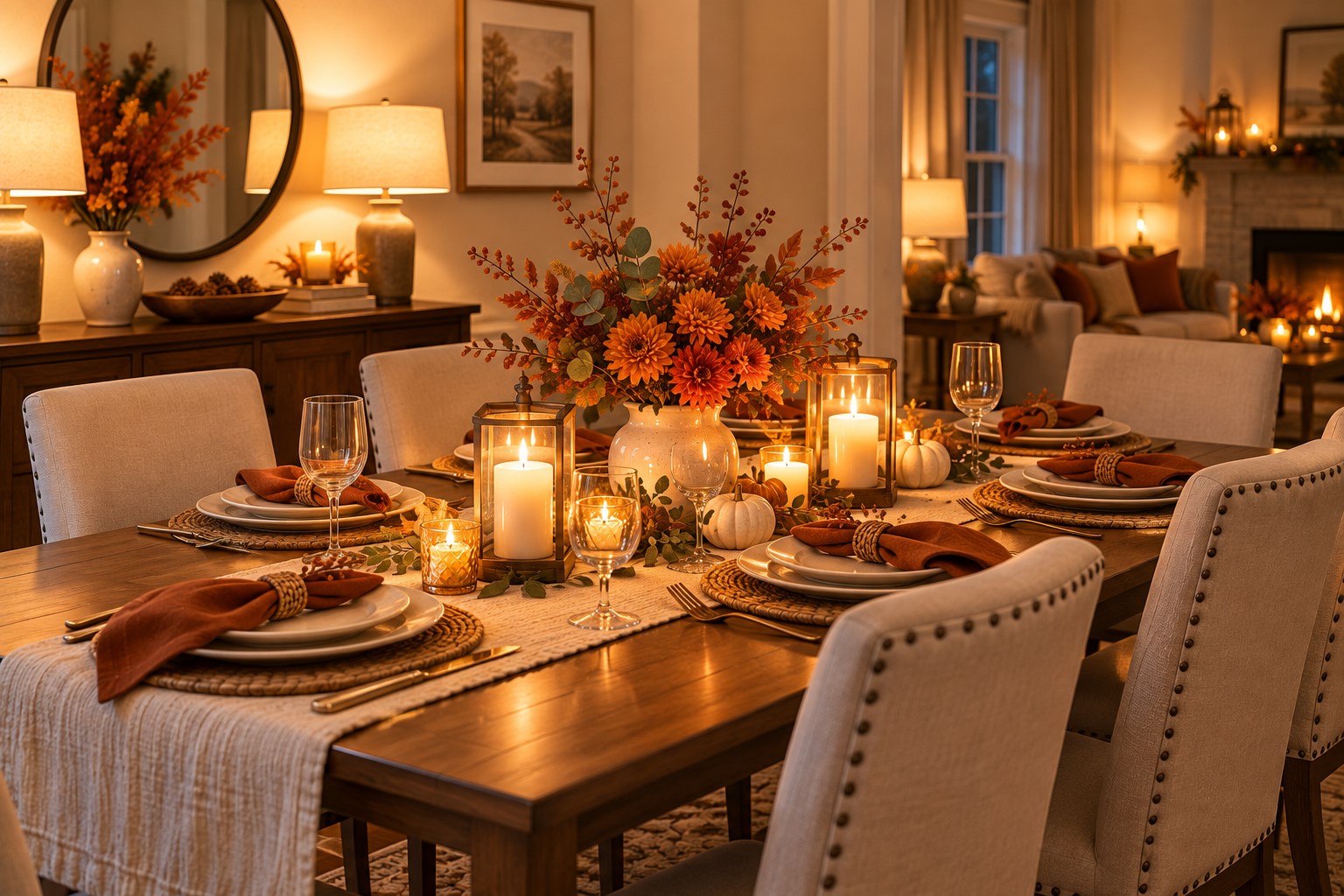
When the sun goes down, lighting can make a bigger difference than another decoration.
Turn off some bright overhead lights and use lamps, candles, or soft accent lighting.
[Amazon: Warm White Battery Operated String Lights]
A short strand of warm lights can be placed around a centerpiece, along a sideboard, or around a drink station.
Keep the lighting warm and comfortable rather than extremely bright.
For more ideas, How to Create a Cozy Thanksgiving Atmosphere With Lighting can help you create that relaxed evening feeling without adding much to your budget.
Give Yourself a Simple Cleanup Plan
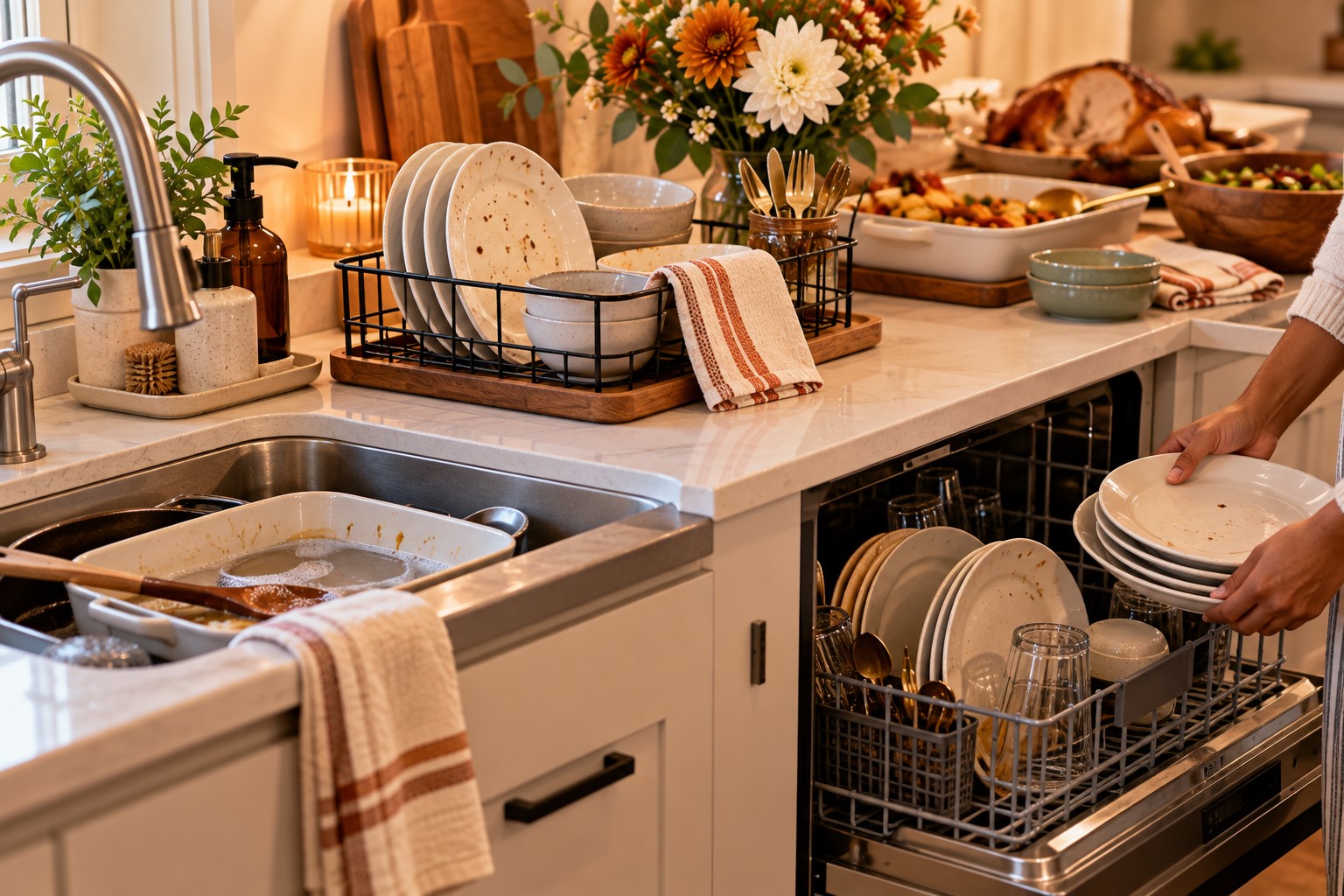
Do not wait until everyone leaves before thinking about cleanup.
During the evening, let dishes collect in one designated area instead of spreading them around the kitchen.
Ask a couple of friends to help clear plates after dinner.
Load the dishwasher as soon as you have enough space, and soak anything that needs extra attention.
You do not have to deep-clean the kitchen while people are still visiting.
Focus on keeping the main surfaces usable.
After everyone leaves, you can finish the rest.
Let the Gathering Be Relaxed
Friendsgiving does not need to feel like a formal Thanksgiving dinner.
The best parts may happen away from the perfectly decorated table.
People may end up sitting on the floor, talking in the kitchen, laughing on the sofa, or eating dessert straight from the serving plate.
That is fine.
Leave some flexibility in the plan.
You are creating a gathering, not putting on a performance.
Spend Money Where It Actually Helps
If you have a little money left in the budget, spend it on something that will make the day easier.
That could be extra serving containers, a useful table runner, good ingredients for the main dish, or something that saves you cleanup time.
Skip things that are only going to sit in a closet after Thanksgiving.
[Amazon: Reusable Thanksgiving Serving Utensil Set]
Reusable pieces can be especially useful if you host Friendsgiving regularly.
You can bring them out year after year instead of buying new supplies each time.
Remember What Friendsgiving Is Really About
A budget does not determine how enjoyable the gathering will be.
Good food, comfortable seating, music, conversation, and a little planning can go much further than expensive decorations.
Ask friends to contribute. Use what you already have. Choose a manageable menu. Keep the table simple and give yourself enough time to enjoy the evening.
You do not need to make Friendsgiving look expensive.
You just need to make it feel welcoming.
By the time everyone has eaten, laughed, taken home a little leftover food, and settled into those long conversations that somehow last for hours, nobody will be thinking about how much you spent on the decorations.
They will remember the evening.
Leave a Reply